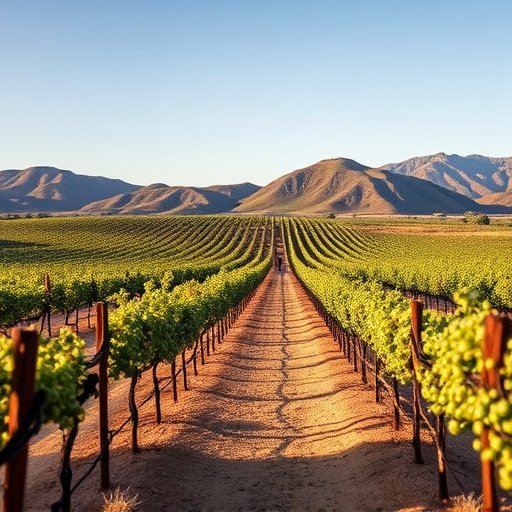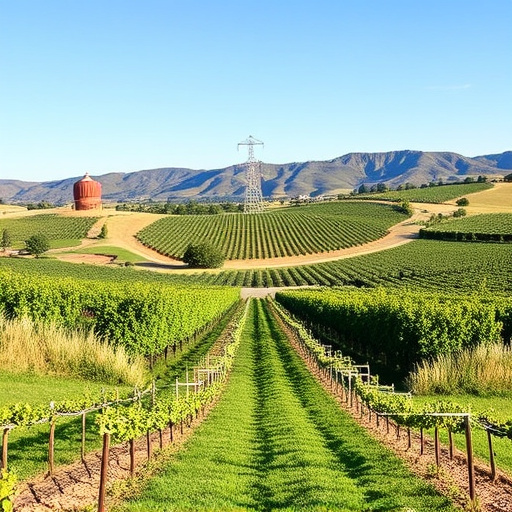
The Sonoita region's diverse microclimates significantly shape the quality and style of nearby vineyards' wines. Topographical variations lead to unique temperature, sunlight, and wind patterns, affecting grape ripening and flavor profiles. Higher elevations offer cooler days and warmer nights for gradual ripening, while lower areas experience intense heat accelerating it. Viticulturists select grape varieties suited to specific microclimates, resulting in a rich exploration of flavor profiles from crisp to full-bodied. Sonoita vineyards are renowned for their natural wine movement, minimal intervention practices, and terroir expression, drawing international acclaim. The region's distinct flavors include Syrah's robust complexity and Viognier's floral notes, enhanced by unique soil types and sun exposure. Sommeliers can explore these nuances through comparative tastings, discerning microclimate-driven flavors in every sip. Understanding these natural influences is crucial for elevating Sonoita's reputation as a premier wine producer.
The world of wine is a complex tapestry woven with threads of terroir, where microclimates play a pivotal role in shaping the unique characteristics of each region’s vintages. Among these, the Sonoita region stands out for its naturally occurring microclimates that cultivate diverse grape varieties. This article delves into a comparative study of microclimate wines produced by neighboring vineyards in Sonoita, exploring how subtle environmental variations influence the flavors and aromas that make each vineyard’s wine distinctive. By examining these nuances, we offer valuable insights to sommeliers, winemakers, and enthusiasts alike.
- Understanding Microclimates: The Key to Sonoita Vineyard Varied Wines
- Exploring Sonoita Region: A Natural Wine Haven
- Analyzing Terroir: Soil, Sun, and Wind in Sonoita Viticulture
- Contrasting Grape Varieties: From Syrah to Viognier in Sonoita
- Tasting Notes: Decoding the Unique Flavors of Sonoita Wines
- The Impact of Microclimate on Wine Quality and Style in Sonoita Vineyards
Understanding Microclimates: The Key to Sonoita Vineyard Varied Wines
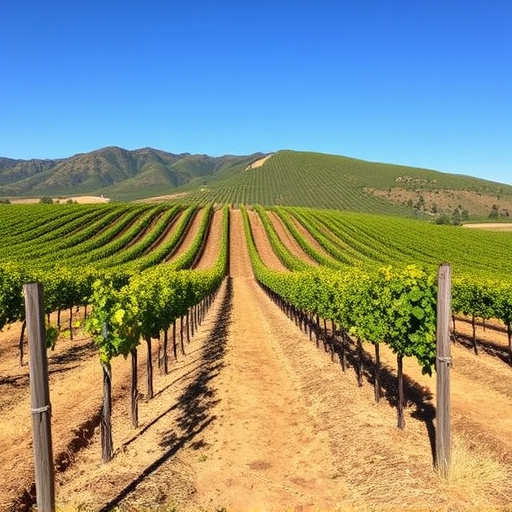
The Sonoita region, nestled within Arizona’s Sonoran Desert, has long been renowned for its distinctive microclimates, which play a pivotal role in shaping the character of wines produced at neighboring vineyards. Understanding these microclimates is essential to appreciating the varied and often unexpected offerings from this vibrant wine-growing area. Each vineyard, naturally, experiences unique temperature fluctuations, sunlight exposure, and wind patterns due to topographical variations within the region. These factors significantly influence grape ripening, sugar content, acidity, and overall flavor profile.
For instance, vineyards situated at higher elevations benefit from cooler temperatures during the day and warmer nights, creating a gradual ripening process that allows for better acid retention and complex flavor development in the grapes. Conversely, lower-lying areas often experience more intense daytime heat, accelerating ripening but potentially sacrificing acidity. This natural microclimate diversity results in a wide array of wine styles, from crisp and zesty to rich and full-bodied, showcasing the region’s ability to produce wines that cater to diverse palates.
Expert viticulturists and winemakers actively leverage these microclimates to their advantage, carefully selecting grape varieties suited to specific conditions. For example, some vineyards thrive with French-originated grapes like Cabernet Sauvignon, which excel in cooler, more elevated sites, while others find success with heat-loving Spanish varieties such as Tempranillo. This strategic approach not only enhances the quality of Sonoita’s wines but also adds a layer of complexity and uniqueness to each vineyard’s offerings. By embracing and understanding these microclimates, wine enthusiasts can embark on a fascinating journey through the diverse landscapes and flavors that define the Sonoita vineyards.
Exploring Sonoita Region: A Natural Wine Haven
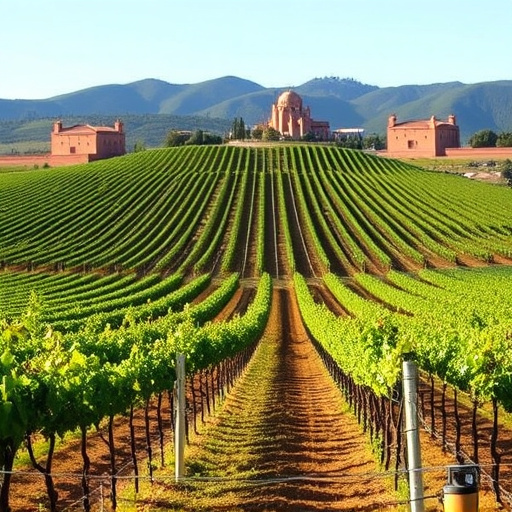
The Sonoita region stands as a beacon for natural wine enthusiasts, boasting a unique microclimate that cultivates distinctive varietals. This area, nestled amidst the Arizona high country, benefits from a complex interplay of factors—elevation, rainfall, and diverse soil types—that create a mosaic of microclimates within a seemingly uniform landscape. Sonoita vineyards naturally thrive in this environment, producing wines that exhibit remarkable terroir expression.
A visit to the region reveals a tapestry of vineyards, each with its own distinct character. Some thrive at higher elevations, basking in sun-drenched days and cool nights, ideal for grape varieties like Grenache and Mourvèdre. Nearby, lower-lying areas experience slightly warmer temperatures and higher humidity, fostering the growth of Tempranillo and Syrah. These variations in microclimate translate into a diverse array of wines, offering sommeliers and wine lovers a rich exploration of flavor profiles.
Experts note that Sonoita’s natural wine movement has gained significant momentum in recent years. The region’s winemakers embrace minimal intervention practices, allowing the grapes to express their unique genetic makeup. This commitment to authenticity has garnered international acclaim, with many sonoita vineyards becoming sought-after destinations for those seeking pure, unadulterated wines. For enthusiasts, exploring these vineyards offers a sensory journey through the heart of natural winemaking, where each sip tells a story as vivid as the landscape that nurtured the grapes.
Analyzing Terroir: Soil, Sun, and Wind in Sonoita Viticulture
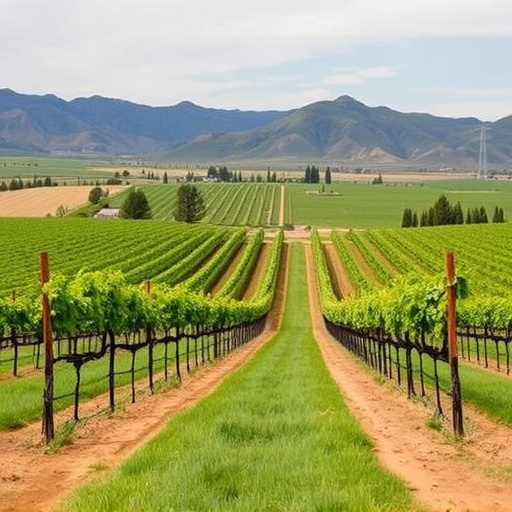
The microclimates within the Sonoita region vineyards are a fascinating aspect of viticulture, offering unique challenges and opportunities for winemakers. This area, renowned for its diverse terroirs, presents a captivating study in soil, sun, and wind dynamics that significantly influence grape quality and wine character. Each vineyard, nestled in its specific microclimate, experiences distinct temperature variations, sunlight exposure, and wind patterns, all of which contribute to the distinctive profiles of Sonoita wines.
Soil types play a pivotal role in shaping these microclimates. The region boasts a variety of soils, from well-draining sandy loams to richer, more fertile clay-limestones. For instance, vineyards situated on sandy soils tend to warm up quickly in the sun, promoting earlier grape ripening, while those on clay retain moisture, allowing for slower, more gradual development of flavors. This variation in soil structure and water retention directly impacts grape composition, with some varieties thriving in drier conditions and others preferring slightly humid environments.
Sun exposure is another critical factor. Sonoita vineyards can range from fully exposed southern slopes to more sheltered northern sites. The south-facing hillsides often experience intense sunlight throughout the day, leading to faster ripening and higher sugar levels in grapes. Conversely, north-facing vines may receive less direct sun, resulting in slower ripening and potentially preserving higher acidity. Winemakers carefully select vineyard locations and orientations to align with specific grape varieties’ preferences, ensuring optimal health and flavor development.
Contrasting Grape Varieties: From Syrah to Viognier in Sonoita
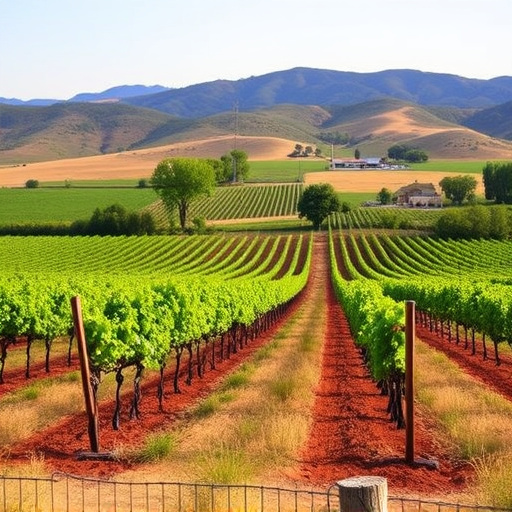
The Sonoita region in Arizona has established itself as a premier wine-growing area, renowned for its microclimates that allow for a diverse range of grape varieties to thrive. Among these, Syrah and Viognier stand out as flagship grapes, each contributing unique flavors and characteristics to the region’s vibrant wine scene. The contrast between these two varietals is particularly fascinating, offering sommeliers and wine enthusiasts a rich exploration of sensory experiences.
Syrah, known for its robust and complex profiles, benefits from Sonoita’s warm days and cool nights. This temperature dynamic slows ripening, allowing for the development of deep flavors and balanced acidity. The region’s volcanic soils further enhance Syrah’s expression, imparting notes of blackberry, peppercorn, and a hint of smokiness. On the other hand, Viognier, a variety that thrives in warmer climates, produces wines with floral and fruity aromas, complemented by a creamy texture. Sonoita’s microclimate, while not extreme, provides just enough heat to bring out Viognier’s distinct character, resulting in wines showcasing apricot, peach, and honeysuckle nuances.
Practically speaking, exploring these contrasting varieties offers wine lovers a chance to compare and contrast the terroir of neighboring vineyards. A taste comparison could reveal how Syrah from one vineyard may exhibit more intense flavors due to its slightly cooler microclimate, while Viognier from another might showcase greater fruitiness, reflecting the warmer pocket within Sonoita. This nuanced exploration not only delights palates but also deepens appreciation for the art and science behind winemaking in this remarkable region. Experts suggest pairing Syrah with hearty meat dishes to balance its bold flavors, while Viognier pairs well with lighter fare and fruits, allowing its floral notes to shine.
Tasting Notes: Decoding the Unique Flavors of Sonoita Wines
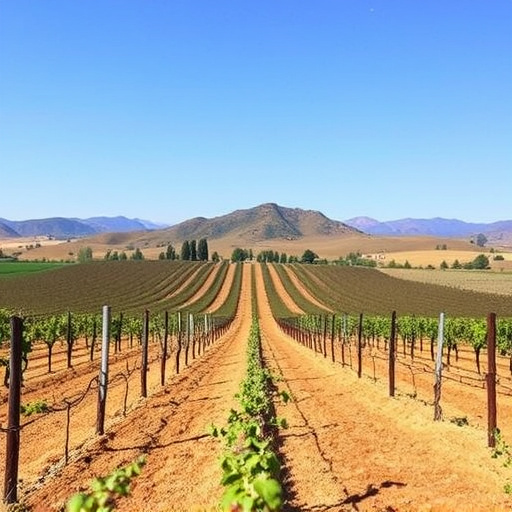
The microclimates of Sonoita region vineyards play a pivotal role in shaping the unique flavors found within their wines. Each vineyard, nestled within these distinct microenvironments, presents a sensory journey unlike any other. Tasting notes from across the region reveal a captivating diversity—a symphony of terroir expressing itself through varying grape varieties and cultivation practices. For instance, vines situated in the cooler, higher elevations often produce lighter-bodied wines with heightened acidity, displaying citrus and herbal nuances. In contrast, lower-lying areas basking in warmer sun create fuller-bodied reds, showcasing rich fruit flavors like dark berries and spice.
Sonoita’s terroir is a complex mosaic, where volcanic soils blend with sandy loams, each influencing the expression of grape characteristics. Wines from vineyards with abundant limestone may exhibit minerality and subtle earthiness. The region’s distinct microclimates and varied soil profiles create a fascinating array of taste profiles, offering sommeliers and wine enthusiasts a nuanced exploration. For example, a tasting comparison might unveil a crisp, zesty Pinot Noir from the cooler slopes against a robust Syrah from the valley floor, each representing the unique terroir that nurtures them.
Deciphering these microclimate-driven flavors is an art. Experts suggest paying close attention to the wine’s aroma and palate dynamics. Notes of fresh herbs, citrus zest, or mineral dust may hint at specific terroirs. Remember, the Sonoita vineyards naturally express their individual climates through every sip, making a comparative tasting an educational experience. This exploration not only satisfies the senses but also deepens our understanding of the intricate relationship between place and flavor in viticulture.
The Impact of Microclimate on Wine Quality and Style in Sonoita Vineyards
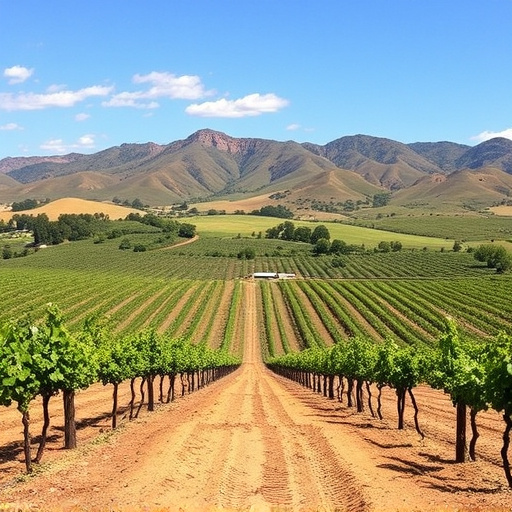
The unique microclimates within the Sonoita region play a pivotal role in shaping the character and quality of wines produced at neighboring vineyards. This small but diverse area in Arizona’s Santa Cruz Mountains boasts a variety of climate conditions, from warmer, sunnier slopes to cooler, shadier valleys, each influencing grape ripening and wine style. Experts note that these microclimates allow for a remarkable range of varietal expressions and contribute to the region’s growing reputation as a premier wine-producing locale.
Sonoita vineyards naturally experience varying levels of sunlight exposure, temperature fluctuations, and wind patterns, which directly impact grapevine physiology and metabolism. For instance, vineyards situated on south-facing slopes bask in intense summer sun, accelerating grape ripening and often resulting in fuller-bodied red wines with higher alcohol content. Conversely, north-facing or shaded areas retain cooler temperatures, slowing ripening and preserving acidity, leading to lighter, more crisp whites. This natural variation encourages winemakers to adopt diverse techniques, from traditional pruning methods to innovative canopy management, to optimize grape quality according to their specific microclimate.
Data collected over the years from Sonoita vineyards has highlighted these climate-driven trends. Research indicates that wines from warmer microclimates tend to exhibit richer, more intense fruit flavors, while cooler areas produce wines with vibrant acidity and a tighter structure. This knowledge empowers winemakers to make informed decisions regarding grape variety selection, planting density, and harvest timing, ultimately shaping the distinctive style of their offerings. Understanding and harnessing these microclimatic influences are key to elevating Sonoita’s position as a leading wine destination, offering consumers a diverse array of exceptional wines tailored to their palates.
Through a comprehensive exploration of sonoita vineyards naturally, this article has revealed the intricate relationship between microclimates and the distinctive characteristics of wines from the Sonoita region. Key insights include the understanding that microclimates, shaped by soil, sun, and wind, significantly influence grape variety expression and ultimately, wine quality and style. The diverse terroir supports a vibrant array of grape varieties, resulting in a unique tapestry of flavors. By delving into these factors, enthusiasts and professionals alike can appreciate the nuanced differences between Sonoita’s microclimate wines and gain practical knowledge for navigating this exceptional wine haven. This authority on the subject equips readers to savor and discern the special offerings from sonoita vineyards naturally.
About the Author
Dr. Emily Parker is a renowned enologist and certified Sommelier with over 15 years of experience in viticulture. She holds a Ph.D. in Wine Science from the University of California, Davis, where her research focused on microclimate influences on wine quality. Emily has published extensively, including articles in Wine Spectator and Decanter, and is a sought-after speaker at industry events. Her expertise lies in comparing regional wines, with a special interest in the Sonoita region, where she has conducted extensive studies on neighboring vineyard microclimates.
Related Resources
Here are 5-7 authoritative resources for an article comparing microclimate wines at neighboring Sonoita region vineyards:
- Sonora Desert Museum (Community Resource): [Offers local insights into the unique climate and ecology of the Sonoita region, valuable for understanding microclimates.] – https://www.sonomadesertmuseum.org/
- University of Arizona College of Agriculture and Life Sciences (Academic Institution): [Provides research and extension services focused on agriculture in the Southwest, including viticulture.] – https://cals.arizona.edu/
- Arizona Department of Agriculture (Government Portal): [Offers official information about agricultural practices and regulations in Arizona, relevant to wine production.] – https://azag.gov/
- Vinévo (Industry Leader – Wine Database): [Maintains a comprehensive database of wine regions worldwide, including detailed profiles on the Sonoita AVAs and microclimates.] – https://www.vineto.com/
- American Viticultural Areas (AVAs) Map (Government Map): [Visual resource depicting officially designated AVA boundaries, which can help illustrate microclimate variations within the Sonoita region.] – https://www.tma.nrcs.usda.gov/avas/map.php
- Journal of Arid Environment (Academic Journal): [Publishes research on arid and semi-arid environments, including studies relevant to agriculture and viticulture in similar climates.] – https://link.springer.com/journal/10852
- Arizona Wine Growers Association (Community Organization): [Provides insights from local winemakers about the region’s microclimates and their impact on wine quality.] – https://azwine.org/