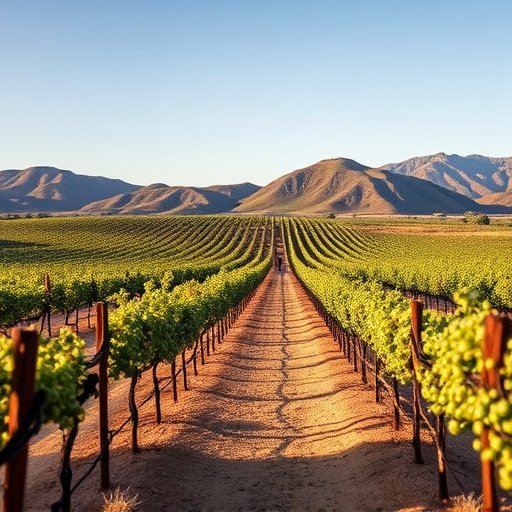
Sonoita vineyards naturally embrace eco-conscious dry farming practices, reducing water usage by up to 50% compared to conventional methods while enhancing grape quality. Their sustainable techniques, including contour planting and natural variety selection, lower carbon footprints, promote biodiversity, and position them as global leaders in sustainable viticulture, inspiring industry-wide adoption.
The global wine industry faces a critical juncture as environmental concerns grow. In response, eco-conscious vineyards are emerging as trailblazers, particularly in the Sonoita region, known for its dry farming practices. This approach, naturally harmonious with the local climate and ecosystem, offers a sustainable alternative to conventional methods. By exploring these innovative Sonoita vineyards, we uncover a promising future where wine production aligns with environmental stewardship. This article delves into the unique challenges and benefits of dry farming, providing insights into how these pioneering vineyards are reshaping the industry while ensuring its longevity for future generations.
- Uncovering Sonoita Vineyards' Natural Dry Farming Practices
- The Impact and Future of Eco-Conscious Wine Production in Sonoita
Uncovering Sonoita Vineyards' Natural Dry Farming Practices
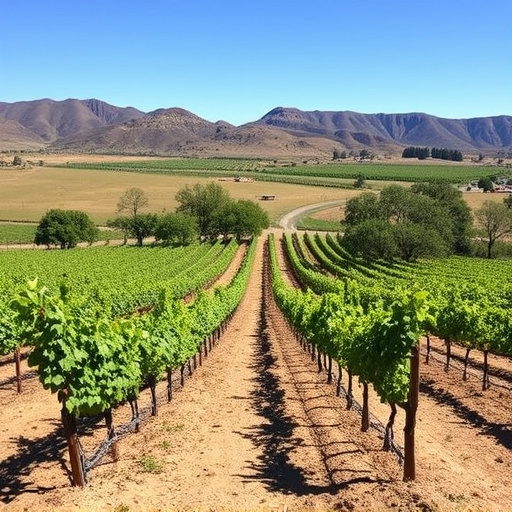
The Sonoita region, nestled within Arizona’s vibrant wine country, has emerged as a beacon for eco-conscious vineyards, showcasing an exceptional commitment to natural dry farming practices. Unlike conventional viticulture that relies heavily on irrigation, sonoita vineyards naturally embrace the arid climate, demonstrating remarkable resilience and sustainability. This unique approach not only conserves water but also fosters a rich biodiversity, contributing to the overall health of the ecosystem.
At the heart of this movement lies an intricate understanding of the land and its cycles. Local vintners have mastered the art of selecting grape varieties adapted to drought conditions, ensuring robust crops even without artificial irrigation. For instance, many sonoita vineyards cultivate grapes like Grenache, Mourvédre, and Syrah, renowned for their ability to thrive in semi-arid environments. This natural adaptation reduces the need for excessive water usage, making it a sustainable choice that aligns with the region’s arid nature.
Moreover, the dry farming techniques extend beyond grape selection. Sonoita vineyards employ strategies such as contour planting, where vines are planted on slightly elevated rows to promote air circulation and reduce water loss. This method not only conserves water but also minimizes the risk of fungal diseases often associated with high humidity. By embracing these natural practices, sonoita vineyards offer a compelling model for sustainable viticulture, inspiring wine enthusiasts and industry professionals worldwide to reconsider their approach to grape cultivation.
The Impact and Future of Eco-Conscious Wine Production in Sonoita
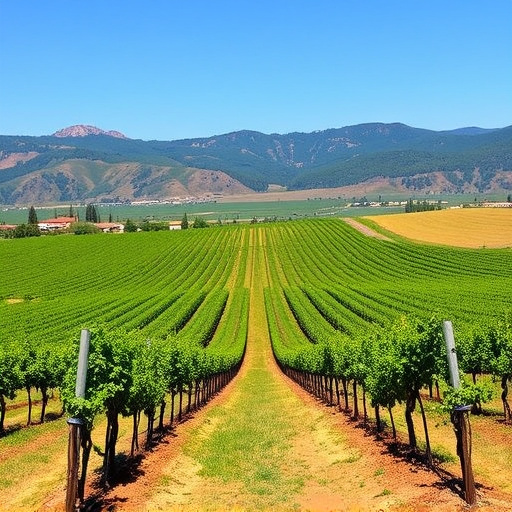
The Sonoita region, known for its vibrant ecosystem and rich wine heritage, has emerged as a beacon of sustainable viticulture. Eco-conscious vineyards here are pioneering dry farming practices, showcasing a profound impact on both the environment and the quality of their wines. This approach, deeply rooted in respect for nature, involves minimal intervention and relies on the region’s unique climate and soil conditions. The results are stunning—sonoita vineyards naturally thrive with reduced water usage, preserving local water resources while producing exceptional grapes.
Experts praise this shift towards sustainable wine production as a game-changer for both the industry and the environment. According to recent studies, dry farming can significantly reduce a vineyard’s carbon footprint by eliminating or minimizing irrigation, which typically accounts for a substantial portion of a winery’s energy consumption. Furthermore, it fosters biodiversity by creating habitat for local wildlife and promoting healthier soil ecosystems. For instance, some sonoita vineyards have reported water savings of up to 50% compared to conventional farming methods, coupled with notable increases in grape quality and yield.
Looking ahead, the future of eco-conscious wine production in Sonoita appears promising. As consumer demand for sustainable products continues to grow, winemakers here are well-positioned to capitalize on their unique advantages. By sharing knowledge and best practices, these pioneering vineyards can inspire others to adopt similar methods, driving a widespread shift towards more environmentally friendly viticulture across the region. This collective effort promises not only to preserve the natural beauty of Sonoita but also to elevate its wines to new heights, making them sought-after worldwide for their ecological integrity and exceptional taste.
The exploration of eco-conscious vineyards in the Sonoita region highlights a significant shift towards sustainable wine production practices. By delving into the natural dry farming methods employed by these sonoita vineyards, we uncover a unique approach that minimizes environmental impact. The article’s key insights reveal how this region’s challenging climate fosters resilience and innovation, offering a model for sustainable viticulture. The future of eco-conscious wine looks promising, with these practices not only benefiting the environment but also enhancing the quality and distinctiveness of the final product. Readers gain valuable knowledge on the potential of natural, dry farming techniques, encouraging further exploration and adoption in other regions, ultimately contributing to a greener and more sustainable wine industry.