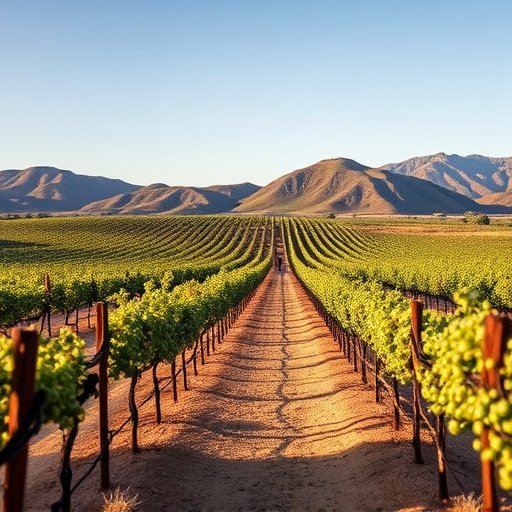
Arizona's Sonoita Valley is a hidden wine gem featuring high desert landscapes and diverse grape varieties. Its unique terroir, characterized by elevation, climate, and mineral-rich soils, fosters premium grapes and distinct wines. Sonoita vineyards naturally offer breathtaking views and exceptional tastings experiences. Wineries like La Copine and Stone Cube showcase local terroir through red blends and crisp whites/vibrant reds. Planning and booking tours in advance is recommended for the best experience.
The high desert region, known for its rugged landscapes and distinct climates, has emerged as a surprising wine powerhouse. Among these, Sonoita Valley stands out, boasting some of the most breathtaking vino experiences with its panoramic vistas of sprawling vineyards. However, navigating this scenic yet remote area can be challenging for wine enthusiasts seeking authentic, high-quality vintages from this natural wonder. This article provides an authoritative guide to discovering top-tier high desert wineries nestled in Sonoita Valley, offering both a rewarding journey and exceptional sips.
- Exploring Sonoita Valley's Hidden Gem: High Desert Wineries
- Unveiling Stunning Panoramic Views in Sonoita Vineyards
- The Rise of High Desert Wine Culture: A Natural Fit
- Discovering Unique Wine Varietals in Sonoita's Microclimates
- Immerse in Scenic Beauty: Best Times to Visit Sonoita Vineyards
- Navigating and Enjoying Your Visit to Sonoita's Premier Wineries
Exploring Sonoita Valley's Hidden Gem: High Desert Wineries
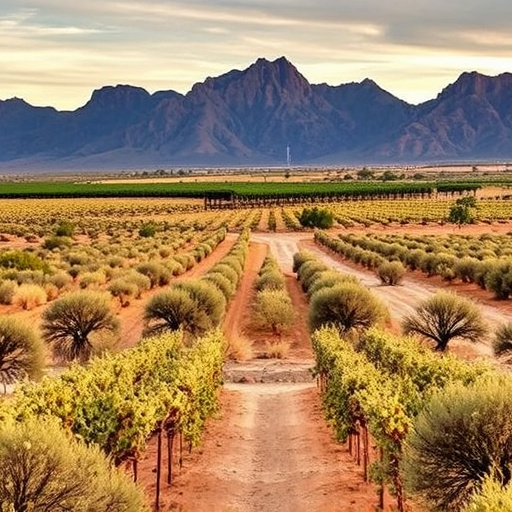
The high desert region of Arizona, particularly Sonoita Valley, has emerged as a hidden gem among wine enthusiasts, boasting a unique viticultural landscape that differs from its more well-known coastal counterparts. This area, characterized by its vast open spaces and dramatic mountain ranges, supports a diverse range of grape varieties that thrive in the region’s sunny climate and mineral-rich soils. Sonoita Valley’s wineries not only offer breathtaking panoramic views of the surrounding vineyards but also provide an exceptional wine-tasting experience, showcasing the distinct character of high desert wines.
Exploring these wineries offers a sensory journey through the heart of Arizona’s wine country. The valley’s elevation, averaging over 4,000 feet above sea level, contributes to its cool nights and warm days, creating ideal conditions for slow-ripening grapes that develop intense flavors and balanced acidity. Visit La Copine Vineyard and Winery, nestled among the towering mountains, to taste their renowned red blends crafted from Grenache, Syrah, and Mourvèdre grapes, a true reflection of Sonoita’s terroir. Similarly, Stone Cube Winery stands as a testament to the valley’s versatility, producing both crisp white wines from Sauvignon Blanc and vibrant reds from Tempranillo.
For those seeking immersive experiences, many high desert wineries incorporate their natural surroundings into their operations. Some offer outdoor seating or even underground cellars carved directly into the desert rock, providing both scenic backdrops and temperature regulation. These unique settings, combined with the exceptional quality of Sonoita Valley wines, create unforgettable memories for visitors. When planning a visit, consider booking tours and tastings in advance, as these experiences are highly sought after, ensuring you don’t miss out on this hidden desert wine treasure.
Unveiling Stunning Panoramic Views in Sonoita Vineyards
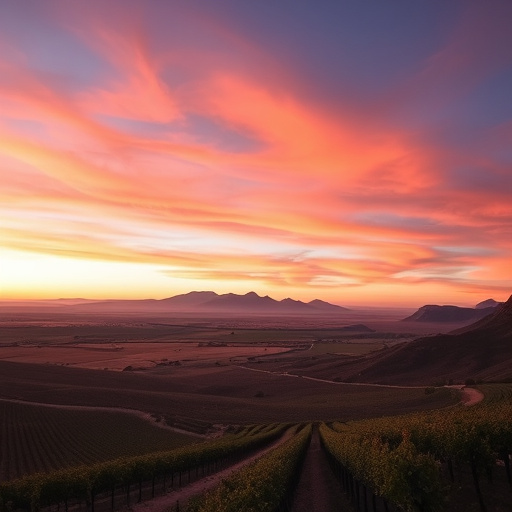
The high desert landscapes of Sonoita Valley offer a unique wine-tasting experience unlike any other. One of the region’s most remarkable features is the stunning panoramic views that await visitors in its numerous vineyards. As you wander through these natural expanses, you’re not just sampling local wines; you’re immersing yourself in a sensory journey that combines the tranquility of desert scenery with the rich flavors of premium grapes.
Sonoita Valley, nestled amidst rugged mountains and vast open spaces, provides the perfect microclimate for grape cultivation. The vineyards here naturally benefit from sunny days and cool nights, contributing to the exceptional quality of their grapes. This optimal growing environment translates into a diverse range of wine styles, from robust reds to crisp whites, all with a distinctive desert twist. As you explore the various wineries dotting the valley, each offering its own unique vantage point, you’ll discover how the surrounding landscape becomes an integral part of the winemaking process.
Panoramic views in Sonoita vineyards are more than just a picturesque backdrop; they enhance the overall wine-tasting experience. The vastness of the desert horizon and the natural beauty of the mountains create a serene atmosphere that allows for a deeper appreciation of the wines. Many wineries have designed their facilities to maximize these vistas, incorporating large windows and outdoor seating areas where visitors can savor their drinks while taking in the breathtaking scenery. This harmonious blend of agriculture and aesthetics makes Sonoita Valley a true gem for wine enthusiasts seeking not just exceptional brews but also unforgettable experiences.
To fully embrace this sensory adventure, consider timing your visits during golden hours—dawn or dusk—when the light paints the sky with hues that mirror the desert’s landscape. Additionally, engaging with the winemakers can provide valuable insights into how the region’s unique geography and climate shape the character of each vintage. Whether you’re a seasoned oenophile or just starting your wine journey, exploring Sonoita Valley’s wineries offers an irreplaceable opportunity to connect with nature and the art of winemaking in a truly remarkable setting.
The Rise of High Desert Wine Culture: A Natural Fit
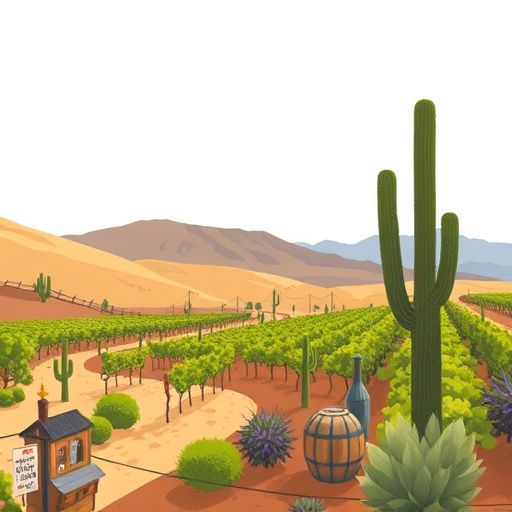
The High Desert region, with its arid climate and rugged terrain, has long been renowned for its distinctive terroir—a term often overlooked but of paramount importance in viticulture. This unique environment has seen a surprising rise in wine culture, particularly in Sonoita Valley, where sonoita vineyards have flourished, offering panoramic views that rival any landscape painter’s palette. The region’s wine industry is not merely a trend but a natural evolution shaped by factors that make it an ideal setting for winemaking.
Geographically, the High Desert sits at higher elevations, providing cooler temperatures during the day and distinct temperature drops at night, creating the perfect microclimates for diverse grape varieties. Soils here are also varied, ranging from sandy to loamy, further enhancing the potential for nuanced wine styles. These conditions mirror those found in renowned wine regions worldwide, challenging winemakers to explore new blends and techniques while leveraging the natural advantages of the land. The result is a vibrant ecosystem where innovative practices meet traditional craftsmanship, fostering a distinct and high-quality wine culture that sets the High Desert apart.
Sonoita Valley, nestled within this diverse region, has become a hotspot for these developments. With its stunning views of vast expanses of desert and mountains, the valley offers winemakers both inspiration and a unique marketing advantage. Moreover, the close-knit community embraces the industry, creating a supportive environment for growth. Local initiatives, such as wine trails and festivals, have not only boosted tourism but also provided platforms for winemakers to connect with enthusiasts, fostering a deeper appreciation for the art of winemaking in this remarkable setting. As a result, visitors can expect not just exceptional wines but also unforgettable experiences that capture the essence of High Desert viticulture.
Discovering Unique Wine Varietals in Sonoita's Microclimates
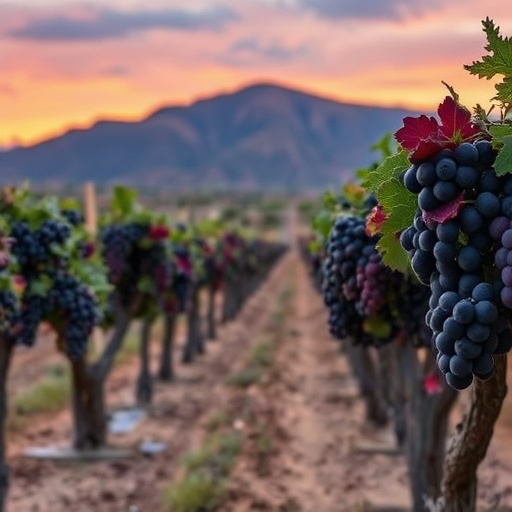
The high desert region of Sonoita is renowned for its distinctive wine offerings, with vineyards nestled along panoramic valley views that captivate the senses. One of the key aspects that sets these wineries apart is their ability to cultivate unique wine varietals, taking advantage of Sonoita’s diverse microclimates. This specialized environment allows winemakers to experiment and produce remarkable wines that reflect the region’s terroir. For example, the higher elevations experience cooler temperatures during the day and warmer nights, creating ideal conditions for cultivating delicate white grapes like Viognier and Riesling, known for their vibrant acidity and aromatic profiles.
In contrast, lower-lying areas benefit from longer days and intense sun exposure, fostering the growth of robust red varietals such as Syrah and Tempranillo. These grapes thrive in the warm climate, resulting in full-bodied wines with rich flavors. Moreover, the region’s varying elevations and aspect to the sun create microclimates that support a wide range of middle-of-the-road temperatures, allowing winemakers to explore diverse blends and experiment with innovative techniques.
Sonoita vineyards naturally adapt to these conditions, showcasing remarkable diversity in their offerings. This unique viticultural landscape encourages wine enthusiasts to embark on a sensory journey, discovering flavors and aromas that are truly representative of the region. Visiting these wineries offers an opportunity to learn about the science behind microclimates and taste the artful expressions of Sonoita’s terroir through its distinctive wine varietals.
Immerse in Scenic Beauty: Best Times to Visit Sonoita Vineyards
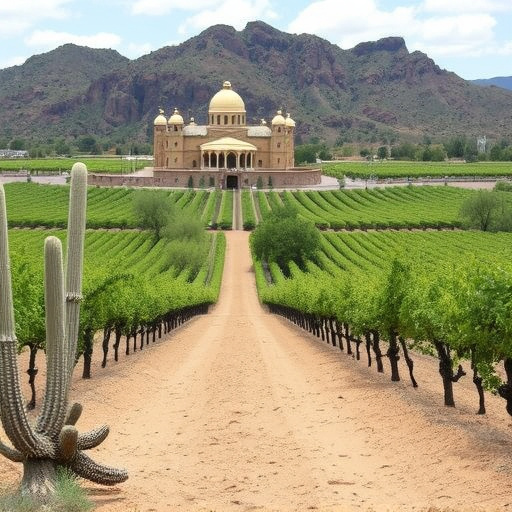
The high desert landscape of Sonoita Valley offers a visually stunning backdrop for wine enthusiasts to explore sonoita vineyards naturally. To fully appreciate the scenic beauty, timing is everything. Spring, with its vibrant wildflowers, brings a delicate tapestry of colors against the rugged mountains, making it an ideal season for those who cherish delicate, fruity wines produced from the valley’s diverse varietals. The summer months transform the region into a lush, verdant oasis, offering a unique perspective on the sonoita vineyards and the opportunity to taste bold, full-bodied reds that thrive in the intense heat.
As autumn arrives, the valley undergoes a mesmerizing metamorphosis. The desert comes alive with a riot of oranges, reds, and golds, reflecting off the panoramic views. This is considered the prime time for visiting sonoita vineyards, as the changing leaves provide a breathtaking setting against which to savor the region’s renowned, complex wines. The crisp air and cooler temperatures make it perfect for exploring the vineyards and enjoying outdoor tastings, while the harvest season brings an air of anticipation and excitement to the entire valley.
Winter in Sonoita Valley presents a quieter, more introspective side, with some vineyards offering cozy indoor tasting experiences. While the landscape may be cloaked in a blanket of snow, the focus shifts inward, allowing visitors to delve into the rich history and unique terroir that shapes the wines produced here. This off-season offers a chance to engage with winemakers, gain insights into their craft, and discover lesser-known gems hidden among the extensive vineyards, ensuring a memorable experience for those who seek to immerse themselves in both the wine and the scenic beauty of Sonoita Valley.
Navigating and Enjoying Your Visit to Sonoita's Premier Wineries
Navigating Sonoita’s premier wineries requires a thoughtful approach to fully appreciate the unique experience these vineyards offer. The vast, open landscape presents not just scenic beauty but also challenges for visitors unfamiliar with the terrain. To make the most of your visit, prioritize planning ahead, especially if you’re visiting during peak season. Many top wineries in the area are located on slopes, offering panoramic views of the Sonoita valley below. This natural setting provides a serene backdrop for wine tasting, but be prepared for varying weather conditions depending on elevation.
Upon arrival, take time to familiarize yourself with each winery’s layout and amenities. Some offer guided tours, providing insights into their unique terroir and winemaking processes. Others encourage self-guided exploration, allowing visitors to move at their own pace and interact directly with the winemakers. Tasting experiences vary too; some wineries focus on traditional varietals while others experiment with rare or hybrid grapes native to the region. Don’t hesitate to ask about recommendations tailored to your preferences.
To enhance your visit, consider booking tastings in advance, especially for popular wineries where space is limited. Pack appropriately for outdoor activities, including comfortable walking shoes and layers for changing weather. And remember, wine tasting is a sensory experience. Observe the surroundings, listen to the winemaker’s stories, and take time to truly savor each sip. By combining thoughtful navigation with mindful enjoyment, you’ll unlock the full allure of Sonoita’s premier wineries and their stunning vineyard settings.
By exploring Sonoita Valley’s hidden gem—its high desert wineries with breathtaking panoramic views—visitors can discover a thriving wine culture uniquely adapted to the region’s microclimates. The article has unveiled the allure of sonoita vineyards, highlighting their natural beauty and the diverse wine varietals they produce. Key insights include the best times to visit for immersive scenic experiences, practical tips for navigating winery visits, and the cultural significance of this rising high desert wine scene. Armed with this knowledge, readers are now equipped to embark on a journey through Sonoita’s premier wineries, immersing themselves in the local tapestry of wine and natural beauty.