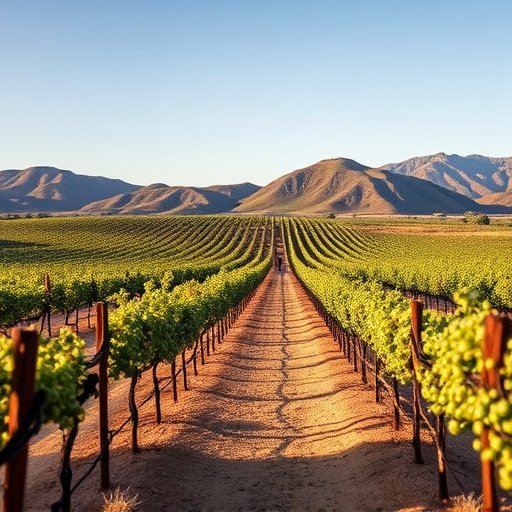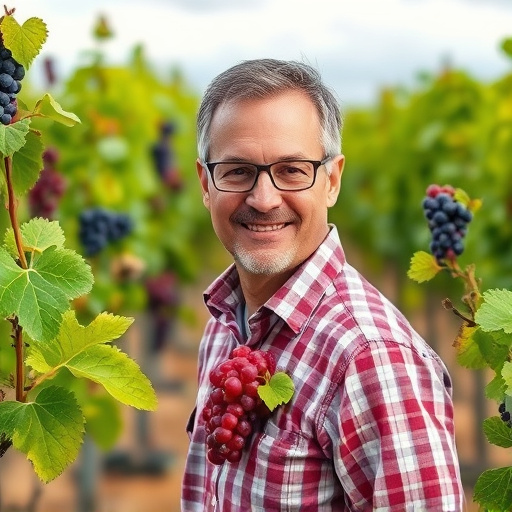
Sonoita vineyards naturally offer a unique educational hub for aspiring winemakers. Educational wineries provide immersive experiences in soil types, sustainable farming, and hands-on vineyard management. Through workshops, tours, and guest speakers, students gain practical skills from pruning to market trends. The region's diverse microclimates and soil profiles support a wide range of grape varieties, with techniques tailored to each. Harvesting methods and traditional fermentation practices are taught through practical experiences. Sonoita vineyards naturally lead in sustainable viticulture, employing organic farming, precision agriculture, and biodiversity conservation. These eco-friendly practices ensure the area's distinct wine character while fostering environmental stewardship.
The art of viticulture, or grape cultivation, is a key component shaping the character and quality of wines from Sonoita vineyards naturally. As the global wine industry continues to evolve, mastering these techniques becomes increasingly vital for producers aiming to craft exceptional beverages. However, navigating the complex world of viticulture can be challenging for newcomers. This article explores an effective solution: educational wineries near Sonoita, offering hands-on learning opportunities for enthusiasts eager to deepen their understanding and cultivate expert skills in this ancient yet ever-changing discipline.
- Exploring Sonoita's Vineyard Education: A Gateway to Viticulture
- Understanding Soils and Climate: Natural Conditions in Sonoita
- Grape Varieties and Harvesting: Mastering the Art in Sonoita Vineyards
- Fermentation and Aging: Traditional Techniques in Local Wineries
- Sustainable Practices: Eco-Friendly Viticulture in Sonoita's Scene
Exploring Sonoita's Vineyard Education: A Gateway to Viticulture
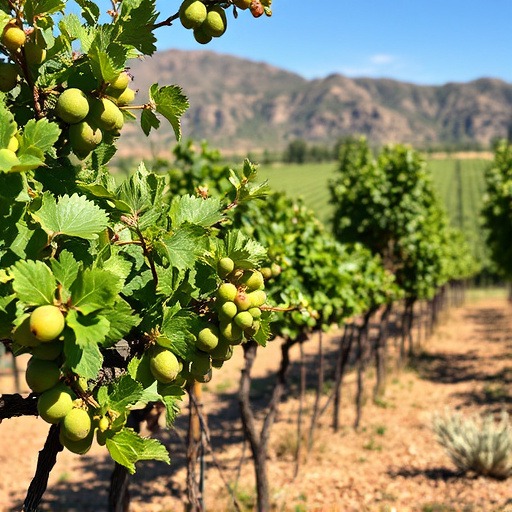
Sonoita has established itself as a premier wine region, renowned for its unique terroir and vibrant viticulture scene. Exploring Sonoita’s vineyard education programs offers an unparalleled gateway into the art of viticulture, providing aspiring winemakers with the knowledge and skills to thrive in this challenging yet rewarding industry. The educational wineries scattered across the region offer immersive experiences that cater to both beginners and seasoned professionals alike.
These wineries serve as living laboratories where visitors can witness firsthand the intricate processes involved in growing grapes and producing wine. From understanding soil types and climate influences on grapevines to learning about sustainable farming practices, these educational initiatives equip students with a profound appreciation for the complexities of viticulture. For instance, many wineries in Sonoita focus on organic and biodynamic methods, showcasing how natural practices can foster vibrant, healthy vineyards that produce exceptional wines.
Practical workshops and guided tours allow participants to engage directly with experts who share their expertise and insights. Students can gain hands-on experience in tasks such as pruning, canopy management, and harvest, applying theoretical knowledge in a real-world setting. Additionally, these wineries often host guest speakers and industry professionals who offer valuable perspectives on market trends, wine appreciation, and the business side of winemaking. By immersing oneself in Sonoita’s vibrant viticulture scene through educational programs, one can gain a competitive edge while fostering a deep connection with the region’s rich wine heritage.
Understanding Soils and Climate: Natural Conditions in Sonoita
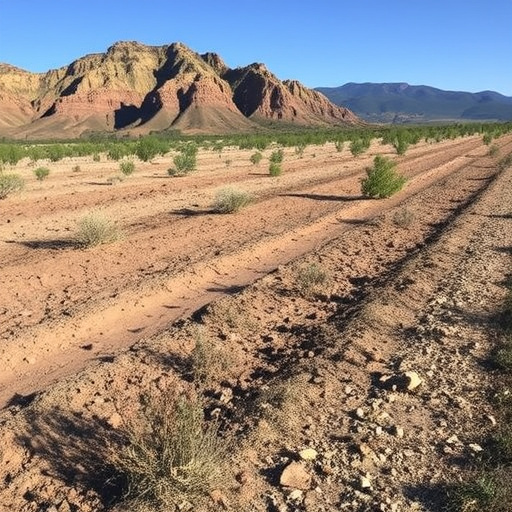
The educational wineries near Sonoita offer a unique opportunity to delve into the intricate world of viticulture, with a particular focus on understanding the region’s distinctive soils and climate—key factors shaping the character of sonoita vineyards naturally. This Arizona wine country is renowned for its ideal growing conditions, where vibrant, diverse microclimates coexist with rich, well-draining soil profiles. The area’s unique terroir supports a wide range of grape varieties, contributing to the diverse and high-quality wines produced locally.
Soil types in Sonoita vary from sandy loams to clay-rich soils, each offering distinct advantages for different grape varieties. For instance, the region’s sandy soils are well-suited for heat retention, benefiting from warm days and cool nights, while the deeper, clay-rich layers provide excellent water retention, ensuring a steady supply during dry spells. This natural variability allows winemakers to experiment with diverse planting strategies, fostering a vibrant ecosystem within sonoita vineyards naturally. The climate, characterized by sunny days and mild, moist winters, followed by hot, dry summers, further enhances the region’s viticultural potential.
Experts emphasize that adapting vineyard management practices to these natural conditions is crucial for success. Understanding the specific soil and climate characteristics of different blocks within a vineyard enables winemakers to make informed decisions about planting, irrigation, and harvesting. By embracing the unique terroir of Sonoita, both established and aspiring winemakers can contribute to the region’s thriving wine culture, ensuring the continued excellence and distinctiveness of sonoita vineyards naturally.
Grape Varieties and Harvesting: Mastering the Art in Sonoita Vineyards
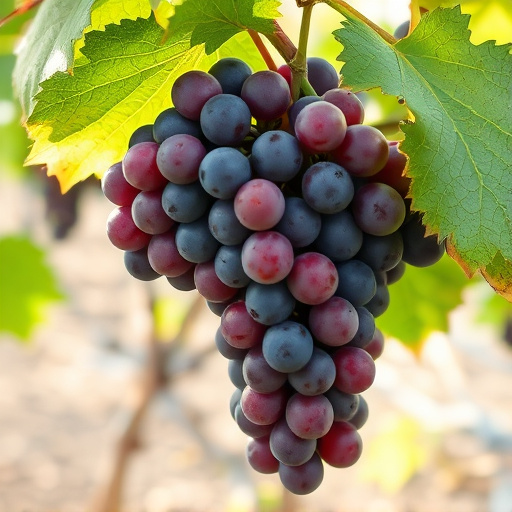
Sonoita is renowned for its diverse microclimates and varied soil types, factors that contribute to the unique characteristics of grapes grown in its vineyards. This region offers an exceptional opportunity for aspiring viticulturists to learn about grape varieties and harvesting techniques in their natural setting. Among the educational wineries near Sonoita, several stand out for their dedication to teaching these essential aspects of wine production.
The first step in understanding Sonoita vineyards naturally is recognizing the wide range of grape varieties that thrive here. From the classic Cabernet Sauvignon and Chardonnay to more specialized types like Syrah and Viognier, each variety brings its own flavor profile and growing requirements. Winemakers in this area meticulously select and cultivate specific grapes based on factors such as sun exposure, elevation, and soil structure. For instance, the warm days and cool nights experienced in certain Sonoita vineyards are ideal for maximizing sugar development in grapes while preserving acidity, a key to crafting well-balanced wines.
Harvesting is an art that viticulture students can master through hands-on experience at these educational wineries. The timing of the harvest significantly impacts the wine’s final character. In Sonoita, the optimal harvesting period varies between grape varieties. For instance, Chardonnay might be picked in early September for crisp acidity, while Cabernet Sauvignon often waits until mid-October to achieve full ripeness. Winemakers must monitor sugar levels, acidities, and tannin development to ensure they harvest at the perfect moment. This meticulous process ensures that each vintage reflects the unique attributes of the vineyard and the year.
Students can learn practical skills such as fruit sampling, lab analysis, and field techniques for determining grape readiness. They’ll also gain insights into sustainable harvesting practices tailored to Sonoita’s diverse terrain, ensuring the long-term health and productivity of the vineyards. By immersing oneself in this learning environment, aspiring viticulturists can develop a profound appreciation for the intricate relationship between grape varieties, their growing conditions, and the art of harvesting, all of which contribute to crafting exceptional wines representative of Sonoita’s terroir.
Fermentation and Aging: Traditional Techniques in Local Wineries
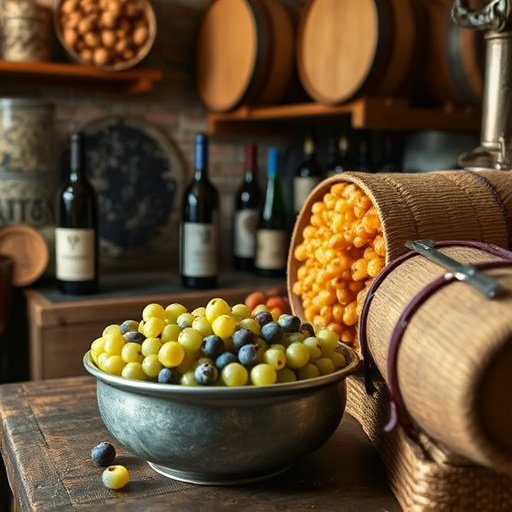
The art of fermentation and aging is a cornerstone of viticulture, and Sonoita’s educational wineries offer an unparalleled opportunity to explore these traditional techniques. These establishments, nestled within the vibrant Sonoita vineyards naturally, serve as living laboratories where visitors can witness firsthand the craftsmanship that transforms grapes into fine wines. Many of these wineries employ ancient methods passed down through generations, allowing enthusiasts to gain deep insights into the history and heritage of winemaking.
Fermentation is a delicate process, and local winemakers pride themselves on their traditional practices. For instance, some producers in Sonoita use open-topped fermenters, which allow for natural yeast activity and oxygen integration, resulting in complex aromatics. Others opt for concrete vats, known for their temperature stability, to foster precise control over the fermentation process. The aging phase further enhances the wine’s character; many wineries here favor oak barrels, specifically French or American, to impart subtle flavors and textures. This technique is especially prominent in Sonoita’s red wines, where the robust tannins of the local grapes marry beautifully with the vanilla notes of oak.
Practical insights from these experts are invaluable. Visitors can learn about the science behind malolactic fermentation, observe the art of blending different batches, and understand how aging duration and wood type influence the final product. By engaging in these educational experiences, wine aficionados not only gain a deeper appreciation for the craft but also develop a nuanced palate that can guide their future choices. Moreover, these wineries often share insights into the region’s unique terroir, highlighting how Sonoita’s specific climate and soil contribute to the distinct character of its wines.
Sustainable Practices: Eco-Friendly Viticulture in Sonoita's Scene
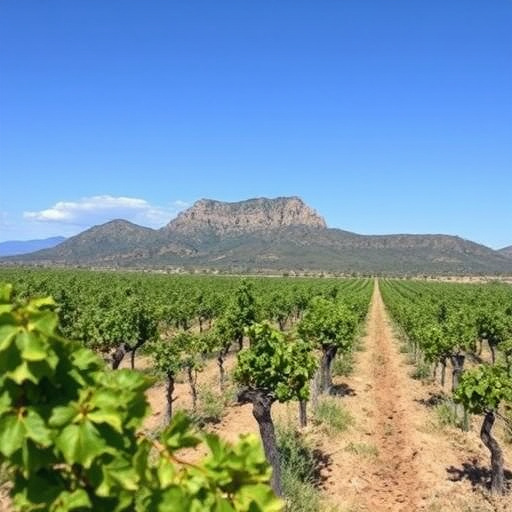
Sonoita has established itself as a leader in sustainable practices within the viticulture industry. The region’s wineries embrace eco-friendly methods, ensuring the long-term health of their vineyards naturally. This commitment is evident in various strategies employed across the Sonoita vineyard scene. For instance, many producers utilize organic farming techniques, avoiding synthetic pesticides and fertilizers, instead opting for natural solutions like composting and beneficial insect populations to manage vine health.
One notable approach is the widespread adoption of precision agriculture technology. Sonoita vineyards employ advanced sensors and data analytics to optimize resource use. These technologies enable precise irrigation scheduling, minimizing water waste, and ensuring vines receive the ideal amount of hydration. As a result, the region has seen significant reductions in water consumption while maintaining high-quality grape production. This balance between sustainability and quality sets Sonoita apart and attracts wine enthusiasts seeking environmentally conscious choices.
Furthermore, the focus on biodiversity is a cornerstone of Sonoita’s sustainable viticulture. The diverse microclimates and elevations across the area support a wide range of plant species, providing natural habitats for various wildlife. Some wineries actively promote this biodiversity by preserving native vegetation, creating buffer zones, and implementing habitat restoration projects. These efforts not only contribute to the overall health of the ecosystem but also enhance the complexity and uniqueness of the wines produced in Sonoita, reflecting the region’s commitment to sustainable practices that benefit both the land and the final product.
By delving into Sonoita vineyards naturally, this article has illuminated a comprehensive path to mastering viticulture techniques. From understanding the region’s unique soils and climate, to exploring diverse grape varieties and sustainable practices, readers now possess a deep knowledge base. Key insights include the art of harvesting specific grape types, traditional fermentation and aging techniques employed by local wineries, and eco-friendly approaches that define Sonoita’s thriving viticultural scene. This authoritative guide equips individuals with practical next steps: pursue educational opportunities at nearby wineries, apply sustainable practices in personal vineyards, and appreciate the intricate dance between grapes, soil, and climate that makes Sonoita vineyards naturally exceptional.