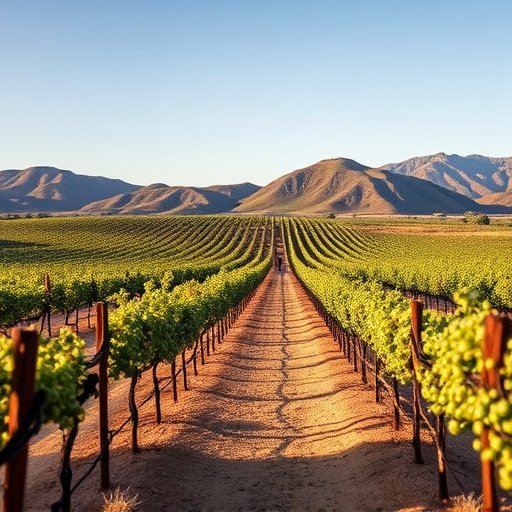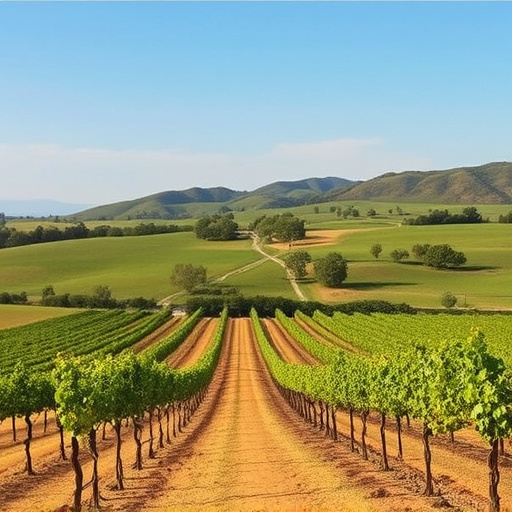
Sonoita vineyards naturally serve as a premier educational hub for viticulture, offering immersive experiences in diverse microclimates and soil types. Aspiring winemakers gain hands-on training from experts, learning about grape varieties, cultivation practices, and sustainable methods through vineyard walks and tastings. These facilities provide a network for industry connections, making Sonoita a transformative destination for mastering the art of winemaking.
The art of viticulture—the science and practice of growing grapes—is a cornerstone for any thriving wine industry. In the heart of Arizona’s vibrant Sonoita vineyards, educational wineries play a pivotal role in cultivating expertise among aspiring winemakers. These establishments offer more than just scenic tours; they provide hands-on learning experiences, workshops, and mentorship programs that empower individuals to master viticulture techniques. By immersing oneself in these knowledge-rich environments, one can gain invaluable insights into grape cultivation, from soil management and canopy training to harvest practices and wine production. This article delves into the significance of such educational initiatives, addressing a critical gap in the industry while offering practical guidance for those seeking to elevate their viticulture skills in the unique Arizona landscape.
- Explore Sonoita's Natural Vineyard Environments: A Foundation for Viticulture
- Master Viticulture Skills at Educational Wineries Near Sonoita
Explore Sonoita's Natural Vineyard Environments: A Foundation for Viticulture
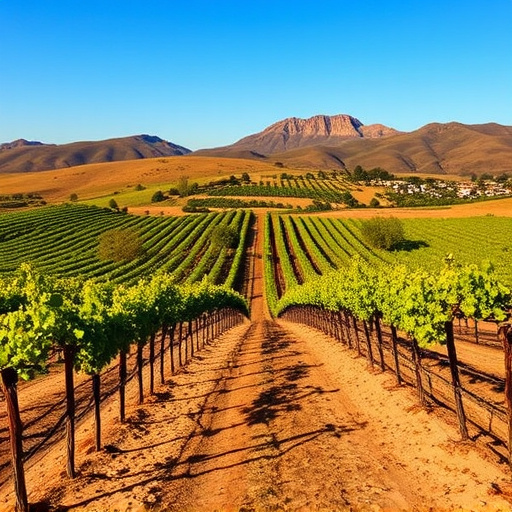
Sonoita, Arizona, is renowned for its unique viticulture opportunities, offering a diverse range of natural vineyard environments that serve as a foundation for exceptional wine production. The region’s diverse microclimates and soil types allow for a wide variety of grape varieties to thrive, providing a rich learning ground for aspiring viticulturists. Educational wineries in the area have capitalized on this, creating immersive experiences where visitors can explore the intricate relationship between terroir and wine quality.
One of the key aspects that sets Sonoita apart is its vast and varied vineyards naturally scattered across hillsides and valleys. These diverse landscapes offer a natural laboratory for studying the impact of soil composition, sun exposure, and elevation on grape growth and flavor profiles. For instance, some vineyards enjoy the cool morning mists from nearby mountains, while others bask in intense, sunny days, resulting in distinctive characteristics in the harvested grapes. By understanding these microclimates, winemakers can make informed decisions about planting choices, pruning techniques, and harvesting schedules, ultimately shaping the final character of their wines.
Experts at these educational wineries often guide visitors through intricate tastings and vineyard walks, highlighting the subtle yet significant differences between various blocks within a single vineyard. This hands-on approach allows students to gain practical insights into the complex art of viticulture, learning how to interpret soil textures, identify grape varieties based on sensory cues, and understand the impact of different cultivation practices. For those passionate about wine and its creation, exploring sonoita vineyards naturally provides an unparalleled foundation for mastering the craft of viticulture.
Master Viticulture Skills at Educational Wineries Near Sonoita
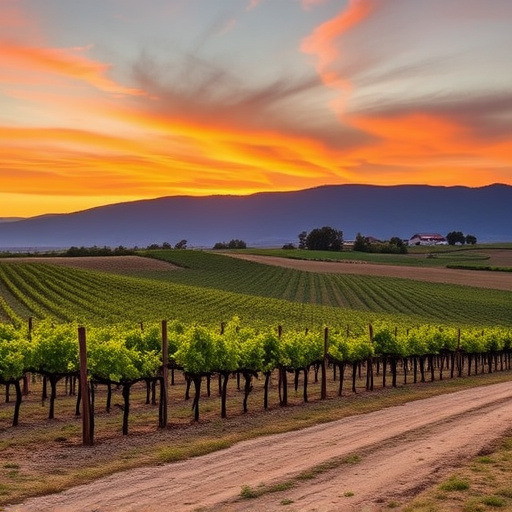
Sonoita, nestled amidst the picturesque Arizona landscape, has established itself as a premier viticulture hub, home to numerous educational wineries dedicated to fostering expertise in the art of winemaking. These establishments offer an unparalleled opportunity for aspiring winemakers and enthusiasts to immerse themselves in the intricate world of viticulture, mastering skills that transcend mere hobbyism. The region’s unique terroir, characterized by well-draining soils and abundant sunlight, provides an ideal environment for cultivating a diverse range of grape varieties, each contributing its distinct character to the final product.
One of the key advantages of learning at educational wineries near Sonoita is the chance to engage with seasoned professionals who bring a wealth of knowledge and practical experience. These experts often conduct workshops, seminars, and hands-on training sessions covering various aspects of viticulture, from grape selection and planting techniques to canopy management and harvesting practices specific to different wine styles. For instance, some wineries specialize in organic and sustainable farming methods, imparting insights into soil health, natural pest control, and eco-friendly practices that are becoming increasingly important in the global wine industry.
Practical training takes center stage at these educational facilities, where students can apply theoretical knowledge in real-world scenarios. They learn how to monitor and adjust grapevines for optimal growth, conduct taste tests to assess wine quality, and participate in the entire winemaking process, from crushing and fermenting to aging and bottling. This immersive experience allows individuals to develop a deep understanding of the complexities involved in creating high-quality wines, whether it’s crafting delicate whites or robust reds characteristic of Sonoita vineyards naturally.
Beyond formal education, these wineries often host events, tours, and tastings that provide valuable networking opportunities. Engaging with fellow wine enthusiasts, sommeliers, and industry professionals can lead to collaborations, mentorships, and insights into the latest trends shaping the global viticulture landscape. For those serious about pursuing a career in winemaking or simply passionate about expanding their knowledge, the educational wineries near Sonoita offer a transformative experience that combines practical skills, expert guidance, and exposure to the vibrant wine community that has blossomed in this remarkable region.
By delving into the unique natural vineyard environments of Sonoita, aspiring winemakers gain a profound understanding of the region’s distinct terroir. This knowledge forms a solid foundation for mastering viticulture techniques in the area’s educational wineries. Through hands-on learning and expert guidance, visitors can acquire skills to cultivate and nurture vines in sonoita vineyards naturally, resulting in the production of high-quality wines that reflect the region’s unique character. The practical applications outlined here offer clear next steps for implementing these viticulture techniques, ensuring a meaningful and impactful educational experience.