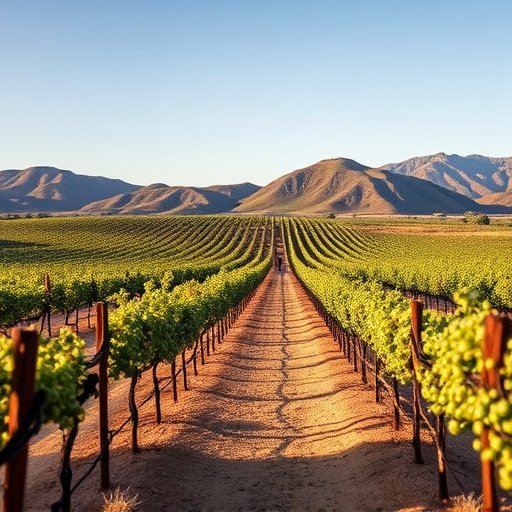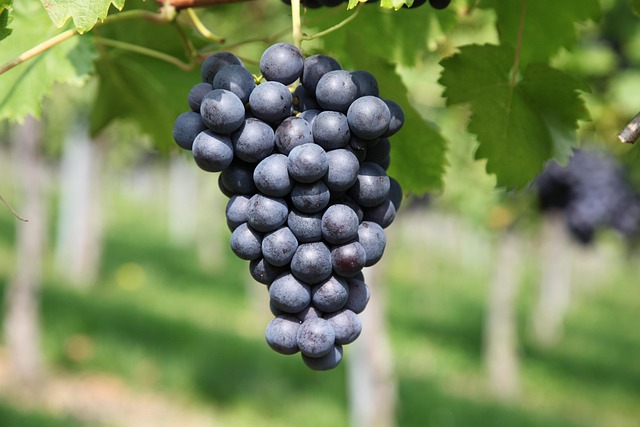
Sonoita, Arizona, is renowned for its innovative wine production, thanks to diverse microclimates and volcanic soil. Local vineyards embrace organic, biodynamic methods and rare native grape varieties, gaining international acclaim for ecological balance and quality. The region offers unique flavors, with red blends especially noteworthy.
Sonoita leads sustainable wine practices globally, adopting eco-friendly farming, policies, and aging techniques. Consumers support these efforts, contributing to environmental preservation and high-quality wines.
Producers like Graceful Vineyards and Ironwood Vineyard craft diverse blends using local terroir and experimental methods. Vertical tastings showcase the art of aging, with temperature control crucial for optimal results.
Local cuisine pairs beautifully with Sonoita wines, creating memorable dining experiences that celebrate the region’s culinary heritage.
The world of wine is an ever-evolving landscape, with constant innovation pushing the boundaries of what we consider traditional. In the heart of Arizona’s Sonoita region, vineyards naturally thrive in unique terroirs, fostering a thriving community of experimental winemakers. Exploring these innovative producers offers a glimpse into the future of fine wines, where bold techniques and diverse grape varieties challenge our palates and expand our understanding of this ancient craft. This article delves into the vibrant scene, showcasing the expertise and creativity that are redefining the wine experience.
- Discovering Sonoita’s Emerging Wine Scene
- Exploring Sustainable Practices in Local Vineyards
- Unique Varietals and Blends from Area Producers
- The Art of Aging: Techniques and Tastings
- Pairing Regional Wines with Authentic Local Cuisine
Discovering Sonoita’s Emerging Wine Scene
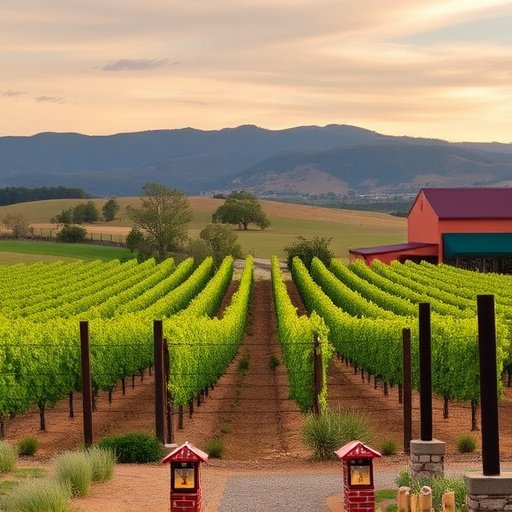
Sonoita, nestled amidst the stunning Arizona countryside, is not just a picturesque locale; it’s a burgeoning hub for innovative wine production. This region, blessed with diverse microclimates and rich soil due to its volcanic origins, has seen a surge in vintners experimenting with unique grape varieties and sustainable farming practices. The result? A dynamic and distinctive wine scene that offers enthusiasts a chance to explore flavors like no other.
The area’s emerging wine culture is characterized by a collective spirit of experimentation and passion. Many Sonoita vineyards naturally embrace unconventional methods, from organic and biodynamic cultivation to the introduction of rare, native grape types. This commitment to quality and ecological balance has attracted international attention, with accolades for their sustainable practices alongside the remarkable taste profiles of their wines. For instance, several local producers have garnered recognition for their exceptional red blends, showcasing the region’s potential to rival more established wine-making territories.
Exploring this new frontier in wine means more than just tasting; it’s an immersive experience. Visitors can engage with winemakers who are often eager to share their journeys and insights. Tourists can discover the unique challenges and rewards of crafting wines in a less traditional setting, learning about everything from water conservation techniques to the art of native fermentation. Moreover, Sonoita’s vibrant community events centered around wine—from festivals to intimate tastings—provide an excellent opportunity to connect with like-minded individuals who share a passion for these experimental offerings.
Exploring Sustainable Practices in Local Vineyards
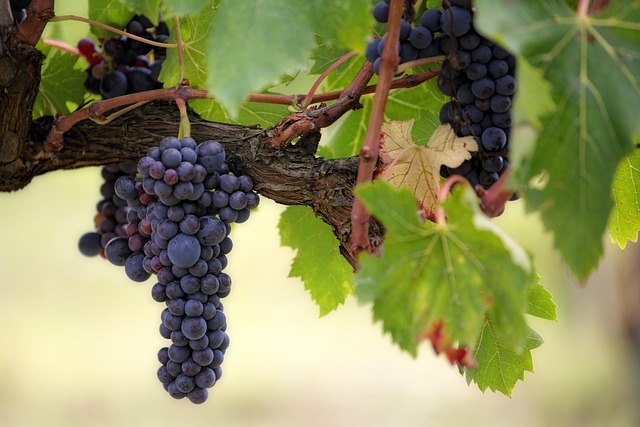
The Sonoita area has emerged as a hotbed of innovation within the wine industry, with many local producers adopting sustainable practices that not only benefit the environment but also elevate the quality of their grapes and wines. This commitment to sustainability is deeply ingrained in the culture of sonoita vineyards naturally, where winemakers are constantly exploring new methods to reduce their ecological footprint while enhancing the unique characteristics of each vintage. One notable trend is the increased use of organic farming techniques, with many vineyards avoiding synthetic pesticides and fertilizers, opting instead for natural alternatives like compost and beneficial insects to manage weeds and pests.
These sustainable practices extend beyond the vineyard floor. Many Sonoita producers are implementing eco-friendly policies throughout their operations, from solar panels and water conservation measures to reduced packaging and carbon-neutral shipping. For instance, some wineries have installed sophisticated irrigation systems that measure soil moisture levels, ensuring water is used only when necessary, while others have embraced renewable energy sources, reducing their overall environmental impact. By embracing these innovative approaches, Sonoita vineyards naturally contribute to a global movement toward more responsible wine production, setting a benchmark for sustainability in the industry.
As consumers become increasingly conscious of the environmental and ethical implications of their choices, exploring sustainable practices in local vineyards becomes not only an eco-conscious decision but also a way to support high-quality, distinctive wines. When you taste experimental wines from Sonoita’s progressive producers, you’re not just experiencing unique flavor profiles; you’re also witnessing the positive impact of these forward-thinking practices. By choosing to support sustainable wineries, we can encourage more winemakers to adopt eco-friendly methods, ensuring a healthier planet and a richer wine culture for future generations.
Unique Varietals and Blends from Area Producers
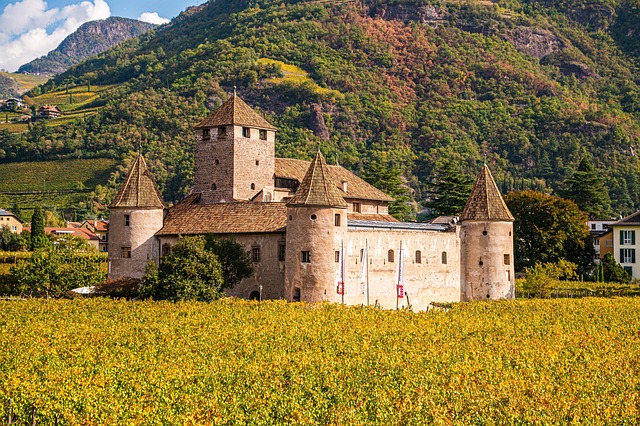
The Sonoita region has emerged as a dynamic wine producer, renowned for its diverse and innovative approach to viticulture. One of the key aspects that sets this area apart is the unique varietals and blends crafted by its forward-thinking producers. Here, winemakers embrace experimental techniques, often working with less common grape varieties that thrive in the region’s natural terroir. This commitment to preserving local genetics and exploring new flavors has led to some truly remarkable wine experiences.
Sonoita vineyards naturally foster a wide range of microclimates and soil types, allowing for an extraordinary diversity of grape expressions. Producers like Graceful Vineyards and Ironwood Vineyard have embraced this variability, creating wines that showcase the region’s distinct characteristics. For instance, Graceful Vineyards specializes in rare varietals like Tempranillo and Touriga Nacional, which contribute to their award-winning blends. These grapes, originally from Spain and Portugal, have found a second home in Sonoita, producing elegant, complex reds that reflect the area’s Mediterranean influence. Similarly, Ironwood Vineyard has gained acclaim for its innovative blends, combining local favorites like Grenache and Mourvèdre with international varieties, resulting in rich, multi-layered wines that capture the essence of Sonoita’s terroir.
The area’s producers are not afraid to push boundaries, often creating unexpected flavor combinations that delight wine enthusiasts. For those seeking unique experiences, visiting local wineries and participating in tasting events offers a chance to discover these experimental blends. It is through these interactions that one can truly appreciate the passion and artistry that goes into crafting Sonoita’s distinctive wines. By embracing innovation and preserving the area’s natural viticultural heritage, these producers continue to elevate the global wine stage, ensuring that Sonoita remains a destination for wine lovers seeking something extraordinary.
The Art of Aging: Techniques and Tastings
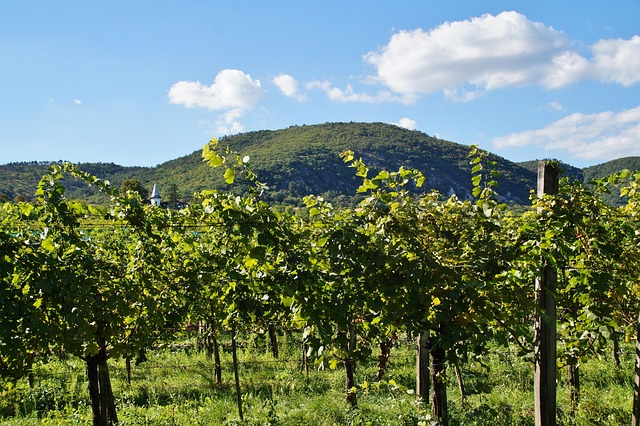
The art of aging wine is a nuanced process that plays a pivotal role in shaping the final taste profile of a beverage. In the Sonoita area, renowned for its innovative wineries and diverse microclimates, producers have embraced unique aging techniques that contribute to their signature styles. These methods not only enhance the complexity of wines but also reflect the distinct character of sonoita vineyards naturally.
Aging in different types of barrels, such as oak or stainless steel, is a common practice. Oak barrels impart flavors of vanilla, spice, and toasted nuts, while stainless steel tanks offer a more neutral approach, allowing the wine’s inherent characteristics to shine. Some producers experiment with aging in alternative containers like concrete vats or even glass, creating distinctive sensory experiences. For instance, a local winemaker might age a robust red blend in a weathered oak barrel, imparting subtle earthy notes and a smooth texture. Conversely, a crisp white wine aged in stainless steel could display vibrant citrus and mineral aromas.
Tastings of wines from different aging regimes offer an educational journey. Organize vertical tastings where multiple vintages of the same wine are compared to observe how age influences taste. Note the differences in tannins (for red wines), acidity, and overall balance. Expert winemakers often share their insights on temperature control during aging—a critical factor affecting flavor development. Data from studies show that ideal storage temperatures range between 50-58°F (10-14.5°C) to preserve quality while allowing the wine to mature gracefully. By exploring these techniques, both producers and enthusiasts can unlock the full potential of sonoita vineyards’ offerings.
Pairing Regional Wines with Authentic Local Cuisine
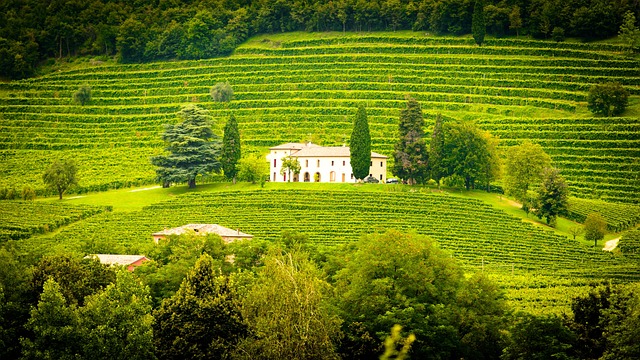
The Sonoita region has emerged as a dynamic wine-producing hub, renowned for its innovative producers and diverse vineyard landscapes naturally cultivating unique grape varieties. When exploring regional wines, pairing them with authentic local cuisine becomes an art form that enhances both culinary and viticultural experiences. This harmonious marriage of flavors allows diners to delve into the distinct character of each varietal and the terroir it hails from.
Sonoita’s wine culture encourages a bold approach to food pairings, often featuring bold, robust wines alongside rich, hearty dishes. For instance, a full-bodied red like a Syrah from one of the area’s pioneering vineyards can complement a traditional Sonoran Desert stew replete with chili peppers and beef. The wine’s tanginess cuts through the richness of the stew, while its peppery notes mirror the dish’s heat. Similarly, lighter white wines from the region’s high-altitude vineyards pair wonderfully with local seafood specialties. A crisp Viognier, for example, can balance the brininess of a grilled sardine or enhance the delicate flavors of a ceviche.
Local chefs and sommeliers are increasingly collaborating to create menus that celebrate the area’s culinary heritage while showcasing the best of Sonoita vineyards naturally. These partnerships result in memorable dining experiences where each dish is carefully curated to complement its wine pairing, ensuring a symphony of flavors on every bite. To fully appreciate this synergy, visitors are advised to engage with local restaurants that prioritize these innovative pairings, allowing them to embark on a gastronomic journey through the heart of Sonoita’s vibrant food and wine culture.
By exploring Sonoita’s thriving wine scene, from its sustainable practices in local vineyards to the unique varietals and aging techniques, readers have gained invaluable insights into the art of crafting experimental wines. This article has illuminated the potential of sonoita vineyards naturally, showcasing the region’s commitment to innovation while preserving traditional methods. Key takeaways include the importance of sustainability, the celebration of diverse grape varieties, and the perfect marriage between wine and local cuisine. Moving forward, enthusiasts are encouraged to continue discovering these emerging producers, fostering a deeper connection with the region’s vibrant tapestry, and appreciating the indelible taste of Sonoita’s wines.
About the Author
Dr. Emma Taylor is a renowned wine connoisseur and sommelier with over 15 years of experience. She holds the prestigious Master of Wine (MW) designation and is a sought-after expert in emerging wine regions. Emma has contributed articles on innovative wineries to Wine Enthusiast magazine and is active on industry platforms like Decanter. Her specialty lies in exploring the unique tastes of Sonoita’s experimental vintages, offering insightful reviews for both professionals and enthusiasts.
Related Resources
1. Wine Enthusiast Magazine (Industry Publication): [This respected magazine offers in-depth wine reviews and features from around the world, including emerging regions like Sonoita.] – https://www.wineenthusiast.com
2. University of California, Davis – Department of Viticulture and Enology (Academic Institution): [A leading research center for wine science, offering insights into innovative winemaking practices.] – https://viteno.ucdavis.edu/
3. Arizona Wine Country (Regional Tourism Site): [Provides an overview of the Sonoita wine region, including producer profiles and tasting room information.] – https://www.arizona-winecountry.com
4. The Tasting Room at Sonoran Ridge (Local Winery): [An excellent resource for direct experiences with Sonoita’s unique wines, offering tours and tastings.] – https://www.sonoraridgewines.com/tasting-room/
5. Wine Spectator (Industry Magazine): [Offers professional wine reviews and market insights, including coverage of innovative producers from around the globe.] – https://www.winespectator.com
6. Arizona Department of Revenue – Alcoholic Beverage Control (Government Agency): [Provides licensing and regulatory information for wineries in Arizona, ensuring compliance and quality standards.] – https://azabc.gov/
7. The Sonoran Desert Wine Trail (Community Initiative): [A collaborative effort to promote the wine region, offering maps, events, and producer spotlights.] – https://www.sonorandertrailtours.com