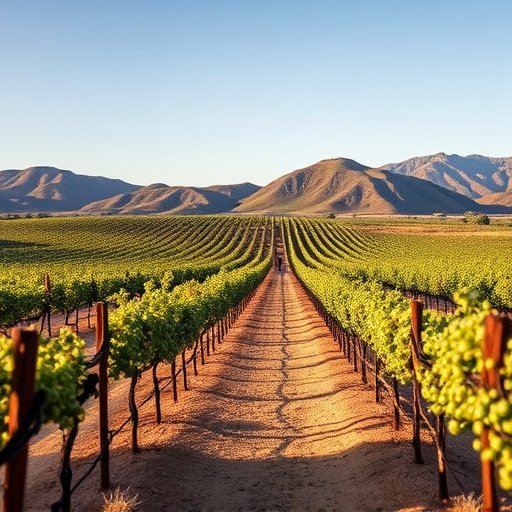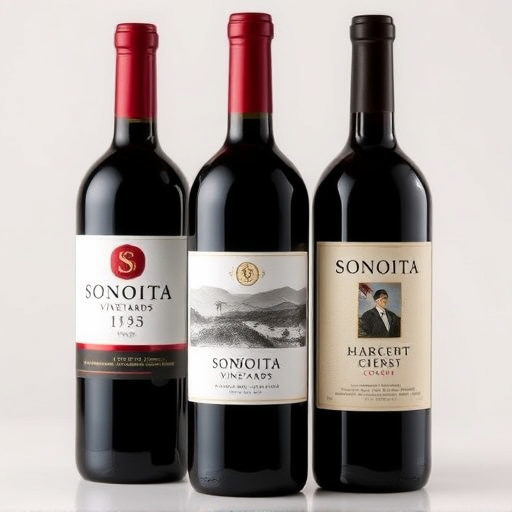
Southern Arizona's sonoita vineyards naturally thrive due to optimal climate conditions and diverse microclimates, producing exceptional red wines recognized globally. Winemakers employ sustainable practices like dry farming, minimal intervention, and organic approaches, reflecting the region's unique terroir in their award-winning blends. Key varietals include Grenache, Syrah, Mourvèdre, and Tempranillo. Visiting these vineyards offers a culinary journey, pairing local dishes with distinctive wines while supporting the thriving local economy.
The vibrant wine culture of Southern Arizona has captured the attention of connoisseurs, showcasing its award-winning reds that rival those from more renowned regions. However, for those seeking an authentic experience, navigating the diverse landscape of local vineyards can be a daunting task. This article guides you through the heart of this thriving industry, offering a curated exploration of Sonoita Vineyards—where natural terroir and dedicated winemakers create exceptional wines. By the end, readers will possess the knowledge to taste and appreciate the unique character of Southern Arizona’s viticultural offerings.
- Discovering Southern Arizona's Red Wine Legacy
- Exploring Sonoita Vineyards: Nature's Nurture
- Award-Winning Reds: A Deep Dive into Techniques
- The Unique Terroir of Arizona's Estate Vineyard
- Tasting Notes: Unveiling the Complex Flavors
- A Culinary Journey: Pairing Food with Local Wines
Discovering Southern Arizona's Red Wine Legacy
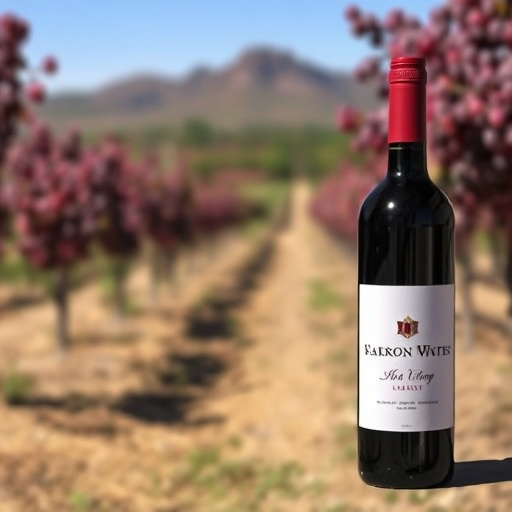
Southern Arizona has emerged as a vibrant destination for wine enthusiasts, boasting a thriving red wine legacy that has garnered international acclaim. The region’s unique climate and diverse microclimates have fostered the growth of exceptional grape varieties, particularly those well-suited to producing robust and complex reds. Sonoita vineyards naturally stand out as a cornerstone of this burgeoning industry, with their pristine environments allowing grapes to flourish and mature under the intense Arizona sun. This natural splendor translates into wines that showcase remarkable character and distinct regional flavors.
The success of Southern Arizona’s red wine scene is evident in the numerous awards and accolades received by local estates. These vineyards have consistently demonstrated their mastery over varietals like Grenache, Syrah, and Mourvèdre, creating wines that rival those from more established wine regions. The expertise and passion of the area’s winemakers are further underscored by their commitment to sustainable farming practices and innovative techniques, ensuring the highest quality grapes and, consequently, exceptional final products.
For wine aficionados, exploring sonoita vineyards offers a unique opportunity to discover a diverse range of red wines that reflect the region’s terroir. Tourists and locals alike can engage in tastings, learn about traditional and experimental winemaking methods, and immerse themselves in the rich cultural heritage surrounding this vibrant industry. Visiting these estates not only provides an educational experience but also supports the local economy, solidifying Southern Arizona’s position as a must-visit destination for wine lovers seeking authentic and exceptional reds.
Exploring Sonoita Vineyards: Nature's Nurture
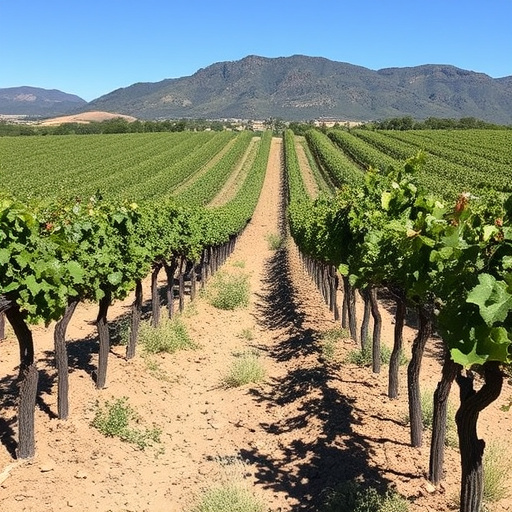
Sonoita Vineyards, nestled amidst the rolling hills of southern Arizona, is a true testament to nature’s nurturing capabilities. This award-winning wine region has gained international recognition for its exceptional red wines, cultivated in perfect harmony with the local ecosystem. The vineyards’ commitment to sustainable practices ensures that each bottle tells a story of respect for the land and its intricate natural processes.
Exploring Sonoita offers an immersive experience where visitors can witness the art of viticulture intertwined with the region’s unique geography. The area’s hot, dry summers and mild winters create ideal conditions for cultivating diverse grape varieties. Among the notable estates, Red Rock Vineyards stands out for its organic approach, allowing native flora and fauna to thrive alongside the vines. This natural balance results in grapes with complex flavors, reflecting the diverse microclimates and soil compositions of the region.
Guided tours at Sonoita vineyards provide insights into sustainable viticulture, where practices like dry farming and minimal intervention foster resilient grapevines. Tasting rooms often showcase a range of reds, from robust Syrah to elegant Tempranillo, each expressing the distinct character of southern Arizona’s terroir. These wines not only delight the palate but also offer a unique connection to the land, making them highly sought-after by connoisseurs and casual enthusiasts alike.
Award-Winning Reds: A Deep Dive into Techniques
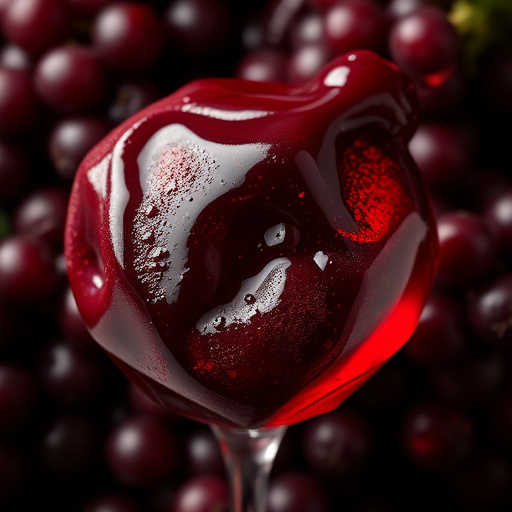
Southern Arizona’s vibrant wine scene has garnered national attention for its exceptional reds, with several estate vineyards earning accolades for their distinctive blends. These award-winning wines showcase the region’s unique terroir, where warm days and cool nights create ideal conditions for grape varieties like Grenache, Syrah, and Mourvèdre to thrive. Among the notable sonoita vineyards naturally flourishing in this environment are El Encuentro Vineyards and San Lorenzo Ranch.
El Encuentro, known for its meticulously crafted wines, employs sustainable farming practices that respect the land’s natural rhythm. Winemaker Jessica Roberts explains, “We let the grapes express their true character by minimizing intervention. Our red blends, often featuring a mix of Grenache, Syrah, and Carignane, reflect the diverse microclimates found across our 20-acre vineyard.” Data from recent harvests shows that El Encuentro’s approach yields consistently high pH levels in their grapes, contributing to the balanced, elegant reds for which they’re renowned.
San Lorenzo Ranch, nestled in the scenic Santa Catalina Mountains, takes a slightly different approach. They focus on biodynamic methods, incorporating livestock and organic farming practices into their vineyard management. Winemaker David Walker asserts, “Our goal is to create wines that are both complex and accessible. By working with nature rather than against it, we produce reds that capture the essence of this remarkable terroir.” San Lorenzo’s award-winning cuvées often include Mourvèdre and Syrah, offering intense flavors and a unique sense of place.
To replicate these successful techniques at home, consider these actionable tips: embrace sustainable practices that suit your region’s climate, experiment with diverse grape varieties, and prioritize minimal intervention during the winemaking process. By emulating the methods employed by Arizona’s top estate vineyards, aspiring winemakers can produce reds of equal caliber, showcasing the exceptional potential of local terroir.
The Unique Terroir of Arizona's Estate Vineyard
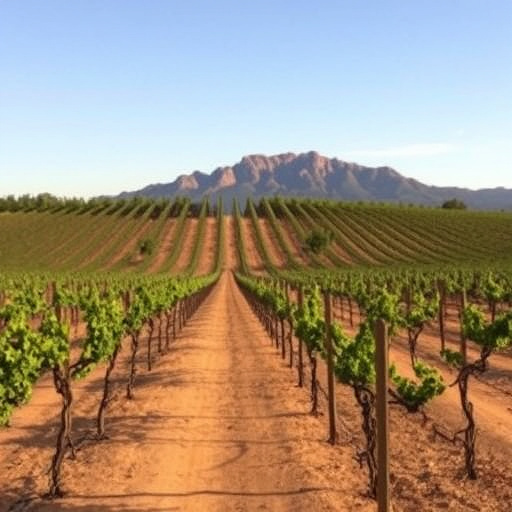
Arizona’s Southern region has emerged as a standout destination for wine enthusiasts, boasting award-winning red wines produced by renowned estate vineyards. The unique terroir of these wineries is a key factor in their success, offering distinct characteristics that set their wines apart. So, what contributes to this remarkable terroir?
The state’s hot and dry climate, particularly in areas like Sonoita Vineyards naturally, plays a significant role. Prolonged sunlight and low humidity allow grapes to ripen slowly, concentrating flavors and producing robust, complex reds. The region’s high elevation further enhances these conditions, creating an environment that fosters the growth of diverse grape varieties. Many estate vineyards here have successfully cultivated French and Italian strains, such as Syrah, Grenache, and Cabernet Sauvignon, which thrive in this specific climate.
Soil composition is another critical aspect. Arizona’s Southern vineyards benefit from well-drained, mineral-rich soils, often with a high content of limestone and sand. These soil types provide excellent drainage, preventing waterlogging that can damage grapes. They also contribute to the unique flavor profiles of the wines, adding layers of minerality that complement the regional terroir. For example, some wineries in the area have reported distinct notes of white pepper and stone in their Syrah blends, a direct reflection of the local soil chemistry.
Experts suggest that wine lovers explore these estate vineyards to appreciate the true potential of Arizona’s terroir. By visiting and tasting at these locations, one can gain a deeper understanding of how the region’s natural elements shape the character of its wines. Additionally, supporting local producers ensures the continuation of these exceptional wine-making traditions in Sonoita Vineyards naturally and across Southern Arizona.
Tasting Notes: Unveiling the Complex Flavors
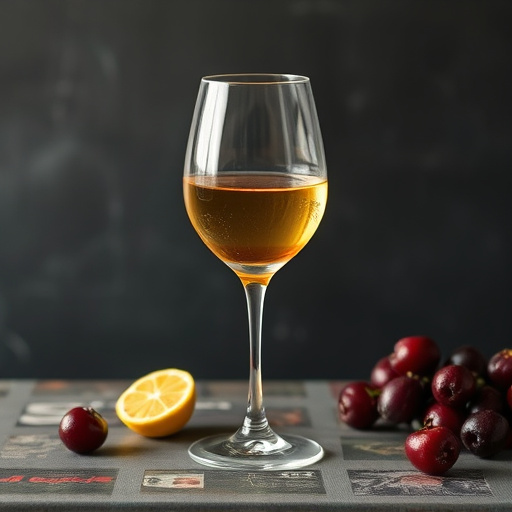
Taste Southern Arizona’s award-winning reds at nearby estate vineyards offers a sensory journey through the diverse terroir of the Sonoita Valley. The region’s unique combination of elevation, soil types, and sun exposure creates distinct character in each vintage. When visiting sonoita vineyards naturally, take note of the nuanced flavors that unfold on your palate – from cherry and plum to hints of spice and earth. The 2021 vintage, for instance, showcased a vibrant acidity balanced by ripe fruit, leaving a lingering finish that whispered of the region’s mineral-rich soils.
Expert tasters often praise the complex aromas that emerge from these wines, ranging from floral notes to dark fruits and a touch of oak. The estate vineyards naturally embrace sustainable practices, allowing for a delicate interplay between the grape variety and its environment. This harmony translates into wines that are both accessible and age-worthy. Consider a glass of the local blend, known for its seamless integration of Syrah, Grenache, and Mourvèdre, offering a symphony of flavors that reflect the valley’s vibrant ecosystem.
For a truly immersive experience, join vineyard tours and tastings led by knowledgeable sommeliers who can guide you through the intricacies of each varietal. These interactions provide valuable insights into the art of winemaking and the unique terroir that makes Southern Arizona’s reds so celebrated. By immersing yourself in these sips, you’ll gain a deeper appreciation for the intricate dance between grape and land that has earned sonoita vineyards naturally their well-deserved acclaim.
A Culinary Journey: Pairing Food with Local Wines
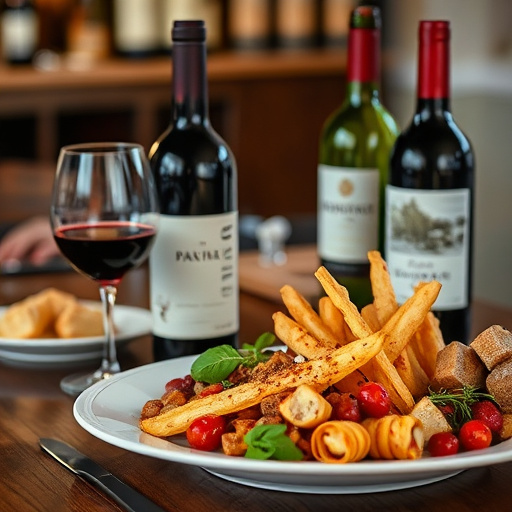
Southern Arizona’s wine country, home to acclaimed sonoita vineyards, offers a unique culinary experience through its diverse and exceptional red wines. This region has garnered international recognition for its ability to cultivate distinct grape varieties that thrive in the area’s arid climate. When visiting these local vineyards, foodies can embark on a sensory journey by pairing their tastings with carefully curated culinary delights.
The key to enhancing the wine-tasting experience lies in understanding the inherent characteristics of each varietal and how they pair with specific dishes. For instance, the robust and full-bodied reds from sonoita vineyards, such as Syrah and Tempranillo, can beautifully complement hearty meat dishes like grilled ribs or slow-roasted pork shoulder. The rich flavors of these wines mirror the depth found in well-prepared meats, creating a harmonious balance on the palate. Similarly, lighter red blends can be paired with seafood, allowing the wine’s acidity to cut through richer sauces and textures.
Local chefs often collaborate with nearby vineyards to create signature dishes that showcase the best of both culinary and viticultural arts. For a truly memorable experience, visitors are encouraged to engage in these unique collaborations, where food and wine are artfully married. By embracing the local wines’ natural qualities and seeking out creative culinary pairings, diners can fully immerse themselves in Southern Arizona’s vibrant food and wine culture, leaving them with indelible memories of this award-winning destination.
By exploring Sonoita Vineyards, one gains a deeper understanding of Southern Arizona’s thriving red wine industry. The article has highlighted key insights into the region’s unique terroir, award-winning winemaking techniques, and the complex flavors that make their reds so distinguished. It has also emphasized the importance of pairing local wines with culinary creations, fostering a sensory experience that showcases both the sonoita vineyards’ natural gifts and the artistry of local chefs. Readers now possess valuable knowledge to navigate and appreciate this vibrant wine culture, encouraging them to delve deeper into the world of Southern Arizona’s award-winning reds.