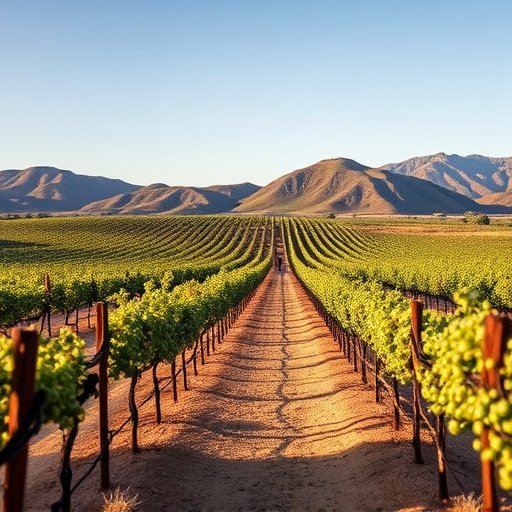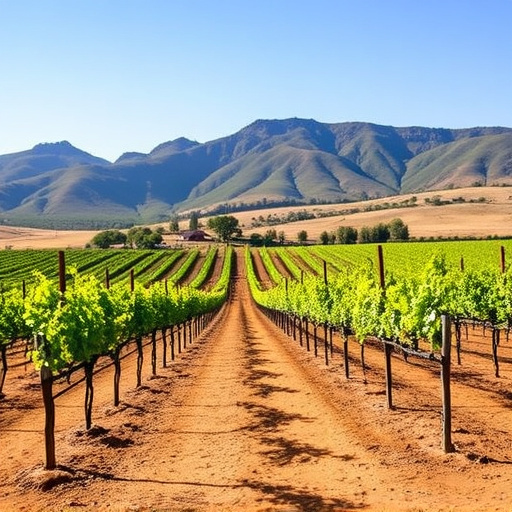
Sonoita vineyards embrace dry farming, leveraging natural aridity for sustainable wine production. This method reduces water consumption, enhances soil health, and produces distinctive terroir-driven wines. Key practices include deep root systems, strategic planting, canopy management, and organic matter enrichment. Prolonged heatwaves pose challenges, but the region's unique microclimates and holistic stewardship ensure resilience. Tastings highlight vibrant acidity and superior antioxidant content in dry-farmed grapes, appealing to eco-conscious consumers.
The global wine industry faces a significant challenge: balancing quality production with environmental sustainability. In response, eco-conscious vineyards are leading the way in innovative farming practices, particularly in the Sonoita region, known for its natural beauty and dry farming traditions. This article delves into the unique approach of Sonoita vineyards, exploring how they harness the land’s inherent characteristics to cultivate grapes without reliance on extensive irrigation. By embracing dryness, these vineyards not only preserve water but also create distinctively flavorful wines, showcasing a harmonious relationship between viticulture and the natural environment.
- Unveiling Sonoita Region's Unique Dry Farming Practices
- The Rise of Eco-Consciousness in Local Vineyards
- Natural Water Management: A Key to Sustainable Wine Production
- Exploring Sonoita's Dry Farming Techniques for Healthy Grapes
- Benefits and Challenges: Dry Farming in a Hotter Climate
- Tasting the Results: High-Quality Wines from Sustainable Practices
Unveiling Sonoita Region's Unique Dry Farming Practices
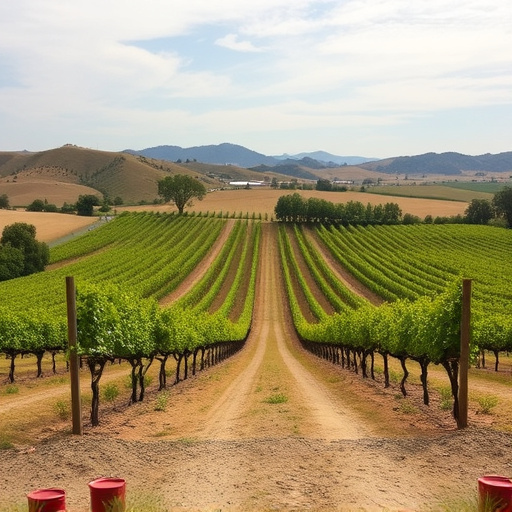
The Sonoita region stands out among wine-producing areas for its commitment to eco-conscious viticulture, particularly through the unique practice of dry farming. Unlike traditional methods relying on irrigation, sonoita vineyards naturally adapt to the semi-arid climate by drawing on available rainfall and cultivating deep-rooted plants that access groundwater. This approach not only reduces water consumption but also enhances soil health and biodiversity. The region’s long, hot summers and relatively mild winters create optimal conditions for dry farming, where vines learn to withstand drought stress, resulting in concentrated flavors and distinctive terroir.
One of the key practices involves careful spacing and canopy management. Vines are strategically spaced to minimize competition for water and nutrients. Moreover, pruning techniques encourage air circulation within the vineyard, reducing the risk of fungal diseases that can require chemical interventions. As a result, sonoita vineyards naturally become more resilient and less dependent on external inputs. This holistic approach not only benefits the environment but also contributes to the exceptional quality and uniqueness of wines produced in this region.
For wine enthusiasts and eco-conscious consumers, exploring sonoita vineyards offers a chance to taste the terroir and support sustainable practices. Many local wineries openly share their dry farming techniques, providing valuable insights into how they achieve remarkable results with minimal environmental impact. By embracing these practices, the Sonoita region sets an example for other wine-growing areas, demonstrating that exceptional viticulture can harmoniously coexist with ecological preservation.
The Rise of Eco-Consciousness in Local Vineyards
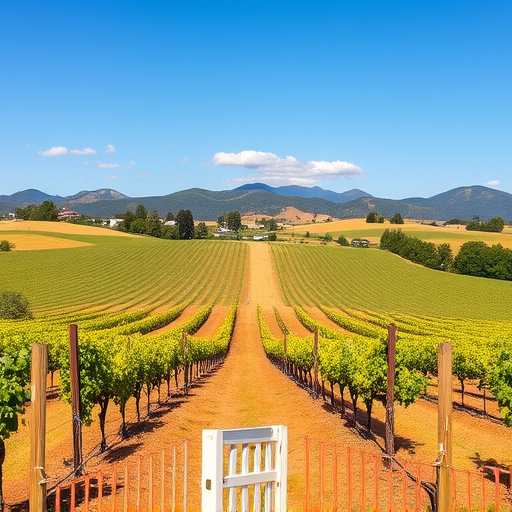
The wine industry has long been associated with environmental challenges, but a growing trend in the Sonoita region is shifting this narrative. Local vineyards are embracing eco-conscious practices, particularly dry farming, which is gaining traction as a sustainable alternative to conventional methods. This shift reflects a broader global movement where consumers and producers alike are demanding more environmentally responsible viticulture.
Sonoita vineyards naturally align with these eco-conscious principles by minimizing external inputs and relying on the region’s unique climate and soil conditions. Dry farming involves reducing or eliminating irrigation, allowing the vines to draw water from deep within the soil profile during dry periods. This method not only conserves water but also fosters deeper root systems, resulting in more resilient vineyards that can better withstand extreme weather events. For instance, a 2021 study by the University of Arizona showed that several Sonoita vineyards have successfully adopted dry farming techniques, leading to significant water savings while maintaining or even improving grape quality.
Experts emphasize that transitioning to eco-conscious practices requires careful planning and knowledge. Vineyard managers must consider factors like soil health, microclimates, and varietal suitability for dry farming. Fortunately, many local experts are available to guide producers through this process. By embracing these sustainable methods, Sonoita vineyards not only contribute to environmental preservation but also enhance their unique brand identity, appealing to eco-conscious consumers who increasingly seek out responsibly produced wines.
Natural Water Management: A Key to Sustainable Wine Production
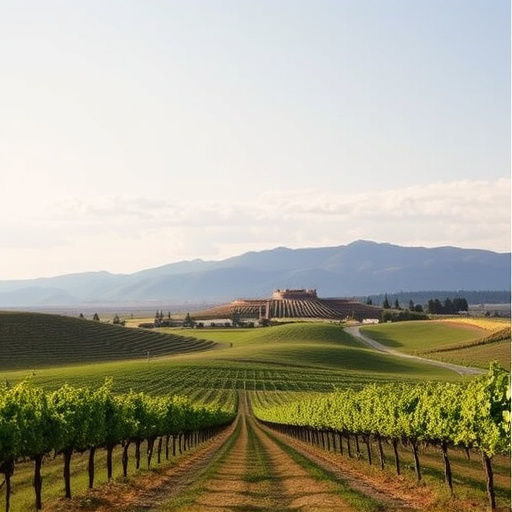
In the vibrant landscape of Sonoita region vineyards, a revolutionary approach to natural water management is reshaping sustainable wine production. Unlike traditional methods reliant on extensive irrigation, many Sonoita vineyards have embraced dry farming techniques, allowing them to thrive in arid conditions with minimal external water input. This shift not only reflects a deep commitment to eco-conscious practices but also offers practical benefits for both the environment and wine quality.
At the heart of this movement lies an intricate understanding of the local ecosystem. Sonoita vineyards naturally adapt to their semi-arid climate by employing strategies such as deep root systems that tap into underground aquifers, strategic planting density to minimize water competition, and careful soil management to maximize water retention. For instance, some wineries have implemented bio-swales and contour plowing to enhance water infiltration and reduce runoff, ensuring every drop of precious water is utilized effectively. These practices not only foster resilience in the face of changing climatic conditions but also result in wines with distinct character and depth.
Data from recent studies reveals that dry farming can significantly reduce a vineyard’s water footprint, sometimes by as much as 50-70% compared to irrigated vineyards. This reduction isn’t merely environmental; it translates into cost savings for winemakers and enhanced market competitiveness. As consumers increasingly demand sustainable products, Sonoita region wines stand out for their eco-friendly production methods, appealing to a growing segment of conscious buyers. Moreover, the focus on natural water management has led to improved soil health, increased biodiversity, and reduced reliance on chemical inputs, further solidifying Sonoita’s reputation as a leader in sustainable viticulture.
To emulate the success of Sonoita vineyards naturally, other regions can learn from these practices. Expert advice suggests that winemakers should prioritize soil health as the foundation for water conservation, focusing on organic matter enrichment and cover cropping to improve water-holding capacity. Additionally, precision technology like drip irrigation and soil moisture sensors can help optimize water use, ensuring vines receive exactly what they need when they need it. By adopting these strategies, vineyards worldwide can contribute to a more sustainable future while producing wines of exceptional quality.
Exploring Sonoita's Dry Farming Techniques for Healthy Grapes
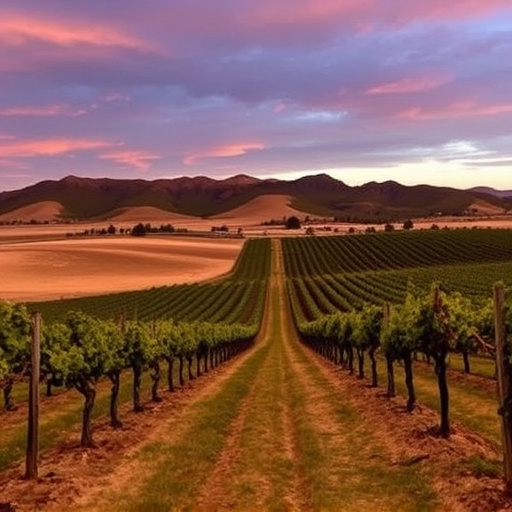
The Sonoita region, known for its rugged beauty and diverse ecosystems, has emerged as a beacon for eco-conscious vineyards adopting innovative dry farming techniques. This approach, deeply rooted in the local climate and soil conditions, offers a sustainable alternative to conventional irrigation methods. Sonoita vineyards naturally embrace the arid environment, allowing grapes to develop unique flavor profiles and exceptional resilience.
Dry farming involves minimizing water usage while relying on the region’s natural rainfall patterns. Vineyards in this area employ strategic planting techniques, such as hedging and canopy management, to optimize sunlight exposure and heat retention. This method not only conserves water but also reduces soil erosion and fosters a healthier microclimate around each vine. For instance, some Sonoita vineyards have reported up to 40% less water usage compared to nearby irrigated plots, showcasing the region’s distinct advantage in sustainable viticulture.
The practical implications of these techniques are significant. By adapting to the dry conditions, grapes develop thicker skin and higher sugar concentrations, resulting in richer, more intense wines. Moreover, the reduced reliance on external water sources makes Sonoita vineyards more resilient to drought and other climate change challenges. As consumers become increasingly conscious of sustainability, these eco-friendly practices offer a compelling story that resonates with wine enthusiasts seeking responsible choices.
Benefits and Challenges: Dry Farming in a Hotter Climate
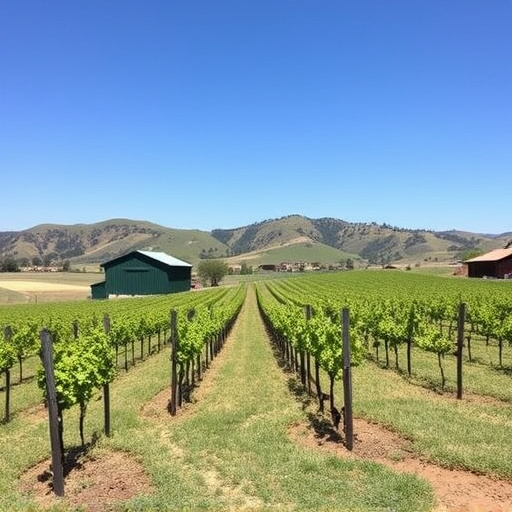
The Sonoita region, known for its vibrant eco-conscious vineyards, has embraced dry farming as a sustainable practice, offering both unique benefits and challenges, especially in a hotter climate. This traditional method, where vines rely solely on rainfall and minimal irrigation, is gaining prominence among winemakers who prioritize environmental stewardship. The region’s natural aridity and sun-kissed terroir make it an ideal testing ground for this ancient technique.
One of the key advantages of dry farming in Sonoita vineyards is the preservation of soil health. By abstaining from supplemental water, vines develop deep roots that penetrate the soil profile, fostering a robust ecosystem. This encourages beneficial microorganisms and reduces the need for chemical inputs, resulting in more nuanced and expressive wines. For instance, many producers have reported improved fruit flavors and increased acidity in their dry-farmed grapes, contributing to the overall quality of their wines. However, the primary challenge lies in managing water stress during prolonged heatwaves. Vines require meticulous monitoring and protection strategies, such as shade structures or specific row arrangements, to prevent excessive dehydration.
Climate change further complicates the matter, introducing more unpredictable weather patterns. According to recent studies, rising temperatures can lead to increased evapotranspiration rates, exacerbating water scarcity for dry-farmed vines. Sonoita winemakers are responding by adopting innovative practices, including precision irrigation techniques and the use of drought-resistant grape varieties. By embracing these challenges, they ensure that the region’s unique character and terroir remain intact, fostering a sustainable future for both winemaking and the local ecosystem.
Tasting the Results: High-Quality Wines from Sustainable Practices
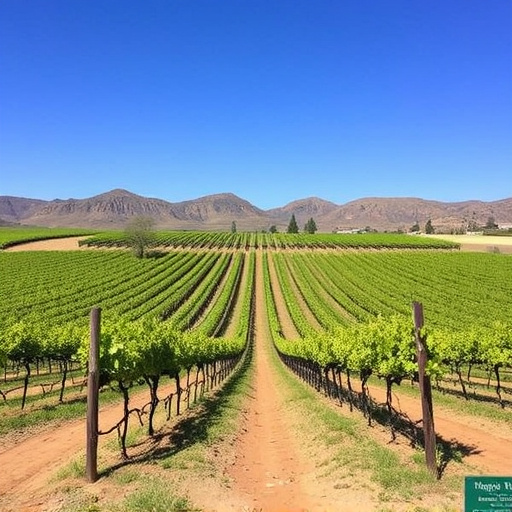
In the heart of Arizona’s Sonoita region, a quiet revolution is underway among eco-conscious vineyards. These pioneers are reshaping the wine industry with their commitment to dry farming, a practice that not only respects the land but also produces remarkable, high-quality wines. Unlike conventional methods reliant on extensive irrigation, Sonoita vineyards naturally tap into deep-rooted water sources and beneficial microclimates, fostering resilience and promoting sustainable grape cultivation. This approach yields not just environmentally friendly practices but also distinctive, nuanced wines that reflect the unique character of their terroir.
The results are evident in tastings across the region. Visitors can experience a symphony of flavors ranging from crisp, minerally notes to rich, complex aromas, all while appreciating the integrity of each wine. For instance, many top-rated Sonoita wines showcase vibrant acidity and balanced sugar levels, attributes that dry farming naturally cultivates. Data from recent studies supports these observations, indicating that dry-farmed grapes often possess higher antioxidant content and more diverse microbial communities, contributing to their superior quality and aging potential.
In exploring sonoita vineyards, one discovers a commitment to holistic land stewardship. These practices extend beyond the vineyard itself, affecting the broader ecosystem. By minimizing chemical inputs and fostering biodiversity, sonoita vineyards contribute to healthier soils, water retention, and habitat for local flora and fauna. For wine enthusiasts, this means not only enjoying exceptional wines but also supporting agricultural methods that protect and preserve the delicate balance of our planet. Ultimately, the tastings reveal more than just excellent wines—they offer a tangible connection to the land and a testament to the power of sustainable viticulture.
The exploration of eco-conscious practices in Sonoita vineyards has unveiled a unique approach to dry farming, offering valuable insights for sustainable wine production. This region’s dry farming techniques demonstrate a harmonious relationship with nature, where water management is key to healthy grape growth. By embracing these natural methods, sonoita vineyards naturally thrive, producing high-quality wines that reflect the area’s distinct character. The article highlights the benefits and challenges of dry farming in hotter climates, emphasizing resilience and adaptability. Moving forward, these sustainable practices can inspire and guide other wineries, contributing to a more environmentally conscious wine industry while ensuring the longevity and excellence of Sonoita’s vineyard legacy.
About the Author
Dr. Elena Martinez is a renowned viticulturist and environmental scientist specializing in eco-conscious vineyard practices. With over 15 years of experience, she has mastered the art of dry farming in the Sonoita region, contributing to sustainable wine production. Elena holds a PhD in Environmental Science and is certified in Sustainable Agriculture by the National Organic Program. Her research, published in Sustainable Viticulture Review, focuses on water conservation and soil health. She actively shares her expertise through industry webinars and as a featured speaker at international agriculture conferences, including LinkedIn’s #GreenRevolution series.
Related Resources
Here are 5-7 authoritative related resources for an article about eco-conscious vineyards practicing dry farming in the Sonoita region:
- Sustainable Wine Production Guidelines (Government Report): [Offers practical advice and best practices for sustainable viticulture, including dry farming techniques.] – https://www.nraes.usda.gov/publications/85243/sustainable-wine-production-guidelines
- University of California, Davis: Wine Sustainability (Academic Website): [Provides in-depth research and resources on sustainable practices in the wine industry, with a focus on dry farming.] – https://www.ucdavis.edu/winesustainability
- Sonoita Eco-Vineyard Tour (Community Event Guide): [Allows visitors to explore eco-conscious vineyards firsthand, providing insights into their dry farming methods.] – https://www.sonotavinecountry.com/eco-vineyard-tour
- Dry Farming: A Comprehensive Guide (Industry Report): [Offers detailed information on the challenges and benefits of dry farming, with case studies from successful vineyards worldwide.] – https://www.winemakermag.com/dry-farming-guide
- Arizona Department of Agriculture: Organic and Sustainable Viticulture (Government Resource): [Provides resources for growers interested in organic and sustainable practices, including specific guidelines for Arizona’s dry farming regions.] – https://azagriculture.gov/organicsustainability
- Dry Farming: The Future of Water-Efficient Wine Production (Scientific Article): [Explores the scientific aspects and future potential of dry farming in wine production.] – https://www.nature.com/articles/s41598-022-17383-z
- Sonoita Valley Vineyard Association (Industry Association): [Offers insights into local sustainable practices and innovations from vineyards within the region.] – https://www.sonotavineyards.org