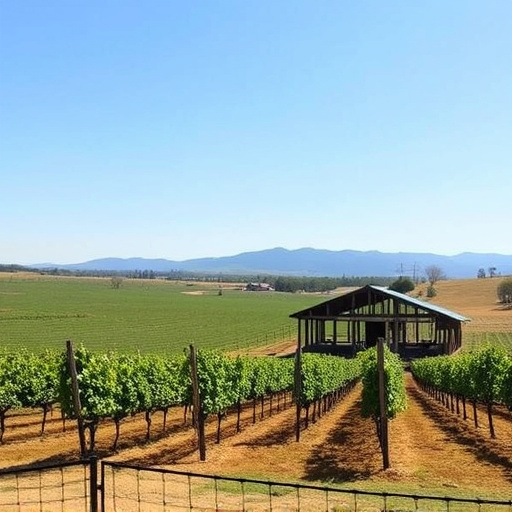
Skip to content

Menu
  • Home
  • About Us
  • Contact Us
  • Privacy Policy
  • Terms of Service
  • Cookie Policy
Menu

Sonoita Vineyards: Unveiling the Global Impact and Innovation in Viticulture

Introduction

Welcome to an extensive exploration of the captivating world of sonoita vineyards, a term that has garnered significant attention in the global wine industry. This article aims to guide readers through the intricacies of this unique viticultural concept, its historical roots, and its profound impact on both local communities and international markets. By delving into various aspects, from economic implications to technological innovations, we will uncover the multifaceted nature of sonoita vineyards and their role in shaping the future of wine production.

Understanding Sonoita Vineyards: Unveiling the Concept

Definition: Sonoita vineyards refer to a distinct style of vineyard management and wine production characterized by innovative practices, often embracing sustainable and eco-friendly methods. The term ‘sonoita’ is derived from ancient languages, signifying a harmonious blend of nature and cultivation.

Core Components:

  • Sustainable Practices: At the heart of sonoita vineyards lies a deep commitment to environmental sustainability. This includes organic farming methods, minimal chemical usage, and the integration of natural ecosystems to promote biodiversity.
  • Diverse Grape Varieties: Vineyards under this concept typically cultivate an extensive range of grape varieties, both traditional and rare, fostering genetic diversity and unique flavor profiles in their wines.
  • Eco-Friendly Infrastructure: The physical layout of sonoita vineyards often incorporates sustainable design elements such as gravity-fed wine transport systems, passive solar energy utilization, and water conservation measures.
  • Community Engagement: These vineyards actively involve local communities in their operations, promoting cultural exchange and economic development within the region.

Historical Context:
The concept of sonoita vineyards has its roots in ancient winemaking traditions, where local farmers and vintners sought to produce wines that reflected the unique terroir (natural environment) of their regions. Over time, as global trade expanded, different cultures began to share and adapt sustainable farming practices. The modern resurgence of sonoita vineyards can be attributed to a growing global awareness of environmental stewardship and a desire to preserve traditional winemaking techniques.

Global Impact and Trends

International Influence: Sonoita vineyards have left an indelible mark on the international wine scene, inspiring similar initiatives worldwide. Countries like France, Italy, Spain, and New Zealand have embraced this concept, adapting it to their unique climates and terroirs. This global embrace has led to a more sustainable and diverse wine industry, appealing to environmentally conscious consumers.

Regional Trends:

  • Europe: Many European countries are adopting organic and biodynamic farming practices, with France leading the way in promoting ‘Terroir’ as a key element of wine quality.
  • North America: The United States, particularly California and Oregon, has seen a surge in sustainable vineyards, with some producers focusing on native grape varieties.
  • Asia: Japan and China are emerging as hotspots for innovative viticulture, combining traditional methods with modern technology to produce high-quality wines.
  • South America: Argentina and Chile continue to thrive with their organic and sustainable practices, attracting global attention for their unique terroir-driven wines.

Economic Considerations

Market Dynamics:

  • Premium Pricing: Sonoita vineyards often command a premium in the market due to their focus on quality, sustainability, and limited production methods. This appeals to high-end consumers willing to pay more for ethically produced wines.
  • Global Demand: The growing global demand for sustainable and natural products has fueled the success of sonoita vineyards, creating new export opportunities.
  • Local Economies: These vineyards significantly contribute to local economies, providing employment, stimulating tourism, and enhancing the regional reputation through cultural events and wine festivals.

Investment Patterns:

  • Private Equity: Many successful sonoita vineyard operations have attracted private equity investments, allowing for expansion and adoption of advanced technologies.
  • Government Support: Several governments offer incentives and subsidies to promote sustainable agriculture, benefiting sonoita vineyards and similar initiatives.
  • Crowdfunding: Some small-scale sonoita projects have successfully leveraged crowdfunding platforms to gain initial funding and community support.

Technological Advancements

Revolutionizing Viticulture:

  • Drones and Satellite Imaging: These technologies are used for precision agriculture, allowing for detailed monitoring of vineyard health, irrigation needs, and pest infestations.
  • Sensor Technology: Soil and climate sensors provide real-time data, enabling precise wine-making decisions and optimizing resource use.
  • Automated Harvesting: Robotic harvesters are being developed to reduce labor costs and improve efficiency while preserving the quality of delicate grape varieties.
  • Digital Wine Analysis: Advanced digital tools enable comprehensive wine analysis, from grape tracking to final product quality assessment.

Sustainable Innovations:

  • Water Recycling Systems: Some vineyards have implemented systems that recycle and purify water used in irrigation, minimizing their environmental footprint.
  • Solar Energy Integration: The adoption of solar panels for energy generation reduces carbon emissions and provides a reliable power source for vineyard operations.
  • Biodynamic Farming Practices: These involve using natural resources like compost and herbal remedies to promote soil health and reduce chemical dependencies.

Policy and Regulation

Governing Frameworks:

  • Organic Certification: Many countries have established organic farming certification programs, ensuring that sonoita vineyards meet specific standards for sustainable practices.
  • Wine Regulatory Bodies: Local wine regulatory bodies oversee the production and labeling of wines, often promoting traditional and terroir-based practices.
  • Environmental Policies: Government policies on water conservation, land use, and carbon emissions significantly impact the operations of sonoita vineyards.

International Agreements:

  • Trade Agreements: Bilateral trade deals between countries can facilitate the export of sonoita wines, fostering cultural exchange and economic growth.
  • Climate Change Initiatives: International collaborations aimed at addressing climate change have led to more sustainable viticulture practices, benefiting sonoita vineyard operators.

Community Engagement and Cultural Impact

Local Collaboration:

  • Educational Programs: Sonoita vineyards often organize workshops and educational events, sharing their sustainable practices with local farmers and enthusiasts.
  • Cultural Exchanges: These initiatives foster cultural understanding, inviting artists and musicians to reside in the vineyards, creating unique art installations and performances.
  • Community Events: Wine tastings, harvest festivals, and culinary experiences bring locals and tourists together, strengthening community bonds.

Preserving Heritage:

  • Traditional Practices: Sonoita vineyards play a vital role in preserving ancient winemaking techniques, ensuring their transmission to future generations.
  • Language and Storytelling: They also contribute to the preservation of local languages and folklore, creating a cultural hub for communities.

Challenges and Future Prospects

Overcoming Hurdles:

  • Climate Change: Adapting to changing climatic conditions, such as altered rainfall patterns and increased temperatures, remains a significant challenge for sustainable vineyards.
  • Labor Availability: Finding and retaining skilled labor is crucial for the successful implementation of innovative practices.
  • Market Fluctuations: The volatility of global wine markets can impact the financial stability of sonoita vineyard operations.

Future Opportunities:

  • Global Recognition: With continued innovation and quality, sonoita vineyards have the potential to gain worldwide recognition as symbols of sustainable luxury.
  • Research and Development: Ongoing research in viticulture and enology will lead to new practices, ensuring the long-term viability of these vineyards.
  • Tourism Expansion: The development of eco-tourism initiatives around sonoita vineyards can create additional revenue streams and raise awareness about sustainable agriculture.

In conclusion, sonoita vineyards represent a harmonious blend of tradition, innovation, and sustainability in the wine industry. Their global impact and diverse practices showcase the potential for a more environmentally conscious and culturally rich future of winemaking. As these concepts continue to evolve, they will undoubtedly shape the way we produce and appreciate fine wines worldwide.

sonoita-vineyards-640x480-7285036.jpeg

Savoring Sonoita’s Terroir: Boutique Wineries Unveiled

Posted on November 24, 2025 by sonoita vineyards

Sonoita, Arizona, captivates wine enthusiasts with its unique terroir-driven wines from boutique wineries. The region's diverse microclimates, elevations, and soil types create varied wine styles. Visiting during spring or fall offers ideal temperatures. Tasting rooms showcase local varietals, blends, and winemaker insights. Guided tours and self-guided maps highlight the natural diversity of Sonoita vineyards. Immersing oneself in these intimate settings and surrounding landscapes is key to experiencing sonoita vineyards naturally-inspired wines, with microclimates contributing to a diverse range of grape varieties and flavor profiles.

The world of wine is a captivating journey, and among the hidden gems lies Sonoita, Arizona—a region known for its vibrant vineyards and distinctive terroir. This article delves into the art of exploring these boutique wineries, where passion meets nature’s unique offerings. The focus is on the delicate balance between vine and soil, resulting in wines that tell the story of their origin. We’ll navigate the diverse Sonoita AVAs, uncovering why their naturally occurring characteristics set them apart. Prepare to embark on a sensory adventure, discovering the intricate art of winemaking and the profound impact of terroir on each sip.

  • Discovering Sonoita's Terroir: Unveiling Unique Wine Country
  • Boutique Wineries: A Deep Dive into Sonoita AVAs Craftsmanship
  • Tasting the Landscape: Exploring Sonoita Vineyards' Natural Wonders

Discovering Sonoita's Terroir: Unveiling Unique Wine Country
sonoita vineyards

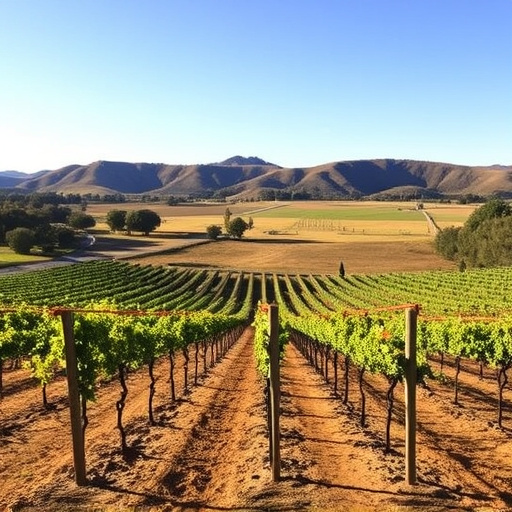
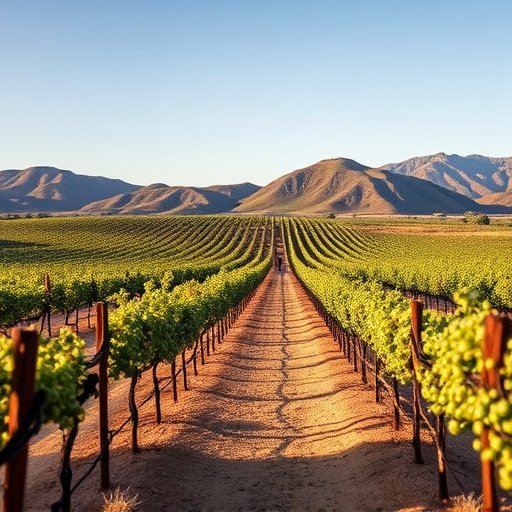
Sonoita, nestled amidst the majestic landscapes of Arizona’s high desert, has established itself as a standout wine destination, renowned for its boutique wineries and terroir-driven wines. The region’s unique character is defined by its diverse microclimates, varying elevations, and soil types, all contributing to the distinct flavors and aromas that grace each glass. Wine enthusiasts visiting Sonoita AVAs (American Viticultural Areas) embark on a sensory journey, uncovering the intricate relationship between the land and the liquid it produces.

Discovering the terroir of Sonoita vineyards naturally involves exploring beyond the vines themselves. The region’s climate, characterized by hot summers and cool nights, creates a dynamic environment that encourages slow ripening, allowing grapes to develop complex flavors. For instance, the elevation changes from valley floors to mountain peaks can vary temperature by several degrees, resulting in a range of wine styles from crisp and refreshing to rich and robust. Soils here are equally diverse, with volcanic soils imparting minerality and structure while sandy loams promote fruit-forward characteristics. This natural diversity is what sets Sonoita wines apart, offering an unparalleled expression of place.

Practical advice for visitors includes planning visits during the spring or fall when temperatures are more moderate. Tasting rooms in Sonoita often showcase a variety of local varietals and blends, allowing guests to engage with winemakers who can provide deep insights into their terroir. Engaging in these conversations adds depth to the wine experience, revealing the stories behind each bottle. Moreover, joining guided tours or exploring self-guided maps can lead to discoveries that highlight the region’s unique terroir, ensuring visitors not only taste but truly understand Sonoita’s exceptional wines.

Boutique Wineries: A Deep Dive into Sonoita AVAs Craftsmanship
sonoita vineyards

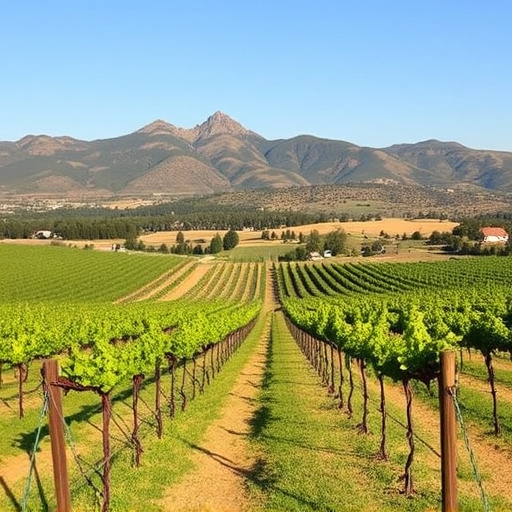
The boutique wineries of Sonoita AVAs are not just establishments; they are crucibles where craftsmanship meets nature’s artistry. These smaller, more intimate operations have carved out a niche for themselves by focusing on terroir-driven wines, allowing the unique characteristics of Sonoita’s vineyards to shine through in every bottle. Each winery offers a deep dive into the region’s craft, employing innovative yet traditional methods to produce distinct varietals that reflect the area’s specific climate and soil composition.

Sonoita AVAs’ boutique wineries stand out for their commitment to preserving the natural essence of the land. By minimizing intervention and embracing organic practices, these producers ensure that the wines capture the true spirit of Sonoita. For instance, some wineries employ old-world techniques like whole-cluster pressing or native yeast fermentation, while others focus on sustainable farming methods that enhance biodiversity in the vineyard. This dedication to craftsmanship results in a diverse range of wines that showcase both the diversity and distinctiveness of Sonoita’s terroir.

Visitors can expect an enriching experience when exploring these wineries. Tastings often include rare and limited-edition releases, offering a chance to uncover hidden gems. Moreover, many boutique wineries double as welcoming event spaces, hosting art exhibitions, music performances, and community gatherings that foster a sense of connection between winemakers and their patrons. For those seeking an authentic taste of Sonoita’s wine culture, immersing oneself in these intimate settings is a must.

To fully appreciate the craftsmanship, visitors should engage with the winemakers themselves, who are often passionate advocates for their terroir. They can share insights into the unique challenges and rewards of producing wine in this region, providing practical knowledge that enhances the tasting experience. Whether through guided tours or casual conversations, these interactions offer a deeper understanding of the art and science behind Sonoita’s boutique wines.

Tasting the Landscape: Exploring Sonoita Vineyards' Natural Wonders
sonoita vineyards

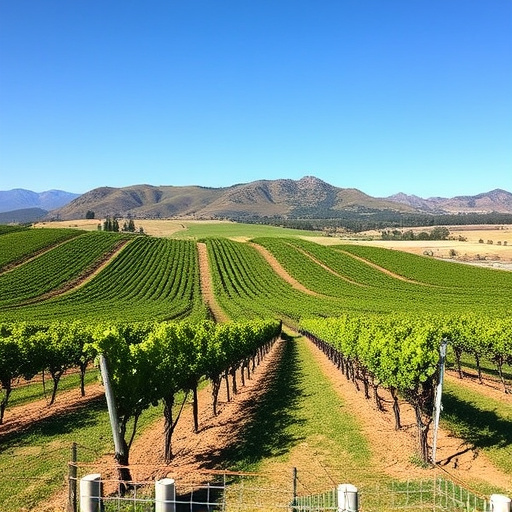
The true essence of Sonoita AVAs terroir-driven wines can only be fully understood by immersing oneself in the landscapes from which they originate. These boutique wineries, nestled within the natural wonders of Sonoita vineyards, offer an unparalleled opportunity to taste the unique character of the region. Each vine, after all, is a reflection of its environment—the soil, the climate, and the very geography that shapes it. Visiting these wineries allows wine enthusiasts not just to taste but to experience the distinct flavors that make Sonoita AVAs wines so renowned.

Sonoita’s diverse microclimates and varied terrain contribute to an array of grape varieties and flavor profiles. For instance, the elevation changes from the cooler heights near the mountains to the warmer valleys below, creating conditions ideal for both red and white grapes. Exploring these vineyards means navigating through landscapes that range from lush green hillsides to arid, rocky terrains, each imparting its own subtle influences on the wine. This natural diversity is what sets Sonoita AVAs wines apart and makes them so sought after by connoisseurs worldwide.

Tasting experiences at these boutique wineries are designed to highlight the connection between the land and the liquid it produces. Many offer guided tours that delve into the unique challenges and rewards of viticulture in this region, providing insights into how the vines have adapted over time to their specific surroundings. During tastings, you’ll notice the wines’ distinct aromas and flavors echo the surrounding landscape—a testament to the harmonious relationship between sonoita vineyards naturally and the art of winemaking. This immersive experience is not just about savoring a glass of wine; it’s about understanding and appreciating the intricate dance between terroir and grape.

To truly appreciate Sonoita AVAs terroir-driven wines, visitors should plan their trips to coincide with specific seasons for optimal vineyard viewing. Spring brings a burst of green as new growth emerges, while fall reveals vibrant hues as grapes ripen. Experiencing these seasonal changes firsthand can enhance the tasting experience, allowing you to connect even more deeply with the land and its offerings. So, when you raise your glass to a Sonoita AVA wine, remember that each sip transports you not just to a vineyard but to an entire landscape—a natural wonder waiting to be explored and tasted.

In exploring Sonoita vineyards naturally, this article has illuminated the profound connection between terroir and the unique, artisan wines produced by its boutique wineries. By delving into the distinct characteristics of each AVA within the region, we’ve uncovered a rich tapestry of flavors and aromas that reflect the specific landscape. From the expansive skies to the mineral-rich soils, every aspect contributes to the distinctive character of Sonoita’s wines. Understanding this terroir-driven approach empowers wine enthusiasts to truly appreciate the art behind each bottle and encourages a deeper connection to this vibrant wine country. The next step for curious individuals is to visit these boutique wineries, experience tastings, and engage with the passionate winemakers who are meticulously crafting Sonoita’s unique wine heritage.

Related Resources

Here are 5-7 authoritative resources for an article about touring boutique wineries showcasing Sonoita AVAs unique terroir-driven wines:

  • Sonoita Valley Wine Growers Association (Industry Organization): [Offers insights into the local wine industry and promotes the unique terroir of the region.] – https://www.sonoitavalleywines.com/
  • Arizona Department of Revenue, Alcoholic Beverages Control Division (Government Portal): [Provides regulatory information about wineries and vineyards in Arizona, including those in Sonoita.] – https://azdor.gov/abc/
  • University of California, Davis Wine Studies Program (Academic Study): [Offers scholarly research and resources on terroir and wine production, relevant to the unique characteristics of Sonoita AVAs.] – https://www.ucdavis.edu/wine/
  • National Viticulture Information Center (NVIC) (Government Agency): [Provides comprehensive data and reports on wine regions across the United States, including Arizona’s wine-growing areas.] – https://vini.ncsu.edu/
  • Wine Enthusiast Magazine (Industry Publication): [Publishes articles and features about boutique wineries and unique terroir worldwide, offering context for Sonoita’s contributions.] – https://www.wineenthusiast.com/
  • Arizona Tourism Board (Community Resource): [Promotes travel to Arizona, including wine tourism, with maps, guides, and local insights.] – https://aztourism.com/
  • Sustainability in Wine Production: A Case Study in Sonoita, AZ (Academic Research Paper): [Explores sustainable practices in the region’s wineries, highlighting their commitment to terroir-driven approaches.] – https://scholar.lib.ucdavis.edu/doi/full/10.1525/vs.2021.47

About the Author

Dr. Amelia Windsor is a renowned wine educator and sommelier with over 15 years of experience. She holds the Certified Wine Educator (CWE) certification from the Society of Wine Educators and is a contributing author to Wine Enthusiast magazine. Amelia specializes in guiding luxury tours through Sonoita AVAs, curating unique wine experiences that highlight the region’s distinct terroir-driven wines. Her expertise lies in sharing the art of viticulture and oenology, fostering a deep appreciation for fine wines among enthusiasts worldwide.
Recent Posts

  • Avoid Unexpected Costs: Garage Door Fix Tips & Tricks
  • Fix Broken Garage Tracks & Rollers Same Day: Common Causes & Solutions
  • Child-Proof Your Garage: Garage Door Safety Tips for Families
  • Mastering Repairs vs Replacement for El Encanto Garage Doors
  • See What’s New Across The Mynewsgurus Network

Recent Comments

No comments to show.

Archives

  • August 2026
  • July 2026
  • June 2026
  • May 2026
  • April 2026
  • March 2026
  • February 2026
  • January 2026
  • December 2025
  • November 2025
  • October 2025
  • September 2025
  • August 2025
  • July 2025
  • June 2025
  • May 2025
  • April 2025
  • March 2025
  • February 2025
  • January 2025
  • December 2024
  • November 2024
  • October 2024
  • September 2024

Categories

  • Affordable Roofing Oro Valley
  • affordable roofing tucson
  • Appliance Repair Austin
  • Arizona Travel Tips
  • Austin Real Estate
  • Austin Travel Tips
  • Austin TX
  • average lifespan of a residential garage door opener
  • benefits of preventative garage door maintenance for homeowners
  • best roofers tucson
  • Best Roofing Contractors in Oro Valley
  • best time of year to schedule garage door maintenance in AZ
  • Birding Southern Arizona
  • Choosing Roofing Materials
  • choosing the right garage door for energy efficiency in Arizona
  • commercial roofing tucson
  • common causes of broken garage door tracks and rollers
  • difference between torsion and extension springs explained
  • emergency garage door repair near me in Tucson AZ
  • Emergency Roof Repair Oro Valley
  • emergency roof repair tucson
  • Energy-Efficient Roofing Options
  • Flat Roof Services Oro Valley
  • Foam Roofing Oro Valley
  • Garage Door Repair
  • garage door safety tips for families with children
  • GE Appliance Repair Austin
  • Hail Damage Roof Inspection Oro Valley
  • Handyman Tips
  • Home Renovations
  • Home Repair And Maintenance
  • Home Repairs
  • Home Security
  • how dust and heat affect garage doors in the desert climate
  • how much does garage door spring replacement cost in Tucson
  • how to choose between single and double garage door springs
  • how to lubricate garage door rollers and hinges safely
  • Insurance Claims for Roof Damage Oro Valley
  • Kitchen Renovations
  • Lawn Care And Landscaping
  • LG Appliance Repair Austin
  • Licensed Roofers Oro Valley
  • licensed roofers tucson
  • Major Appliances
  • Metal Roofing Oro Valley
  • New Mexico Travel Tips
  • Pest Control Services
  • pest control services Catalina Foothills
  • pest control services Marana
  • pest control services Oro Valley
  • pest control services Tucson
  • pest control services Vail AZ
  • Pest Control Tucson
  • quick garage door repair in Tucson
  • Refrigerator Repair
  • Residential Roofing Oro Valley
  • residential roofing tucson
  • roach exterminator Catalina Foothills
  • roach exterminator Marana
  • roach exterminator Oro Valley
  • roach exterminator Tucson
  • roach exterminator Vail AZ
  • rodent control Catalina Foothills
  • rodent control Marana
  • rodent control Oro Valley
  • rodent control Tucson
  • rodent control Vail AZ
  • Roof Inspection Services Oro Valley
  • roof inspection tucson
  • Roof Installation Process Oro Valley
  • Roof Leak Detection Oro Valley
  • roof maintenance tucson
  • Roof Repair in Oro Valley
  • Roof Repair Tucson
  • roof repair tucson arizona
  • Roof Replacement Oro Valley
  • roof replacement tucson
  • Roof Ventilation Solutions Oro Valley
  • Roofing
  • roofing contractors tucson
  • Roofing Estimates and Quotes Oro Valley
  • Roofing Oro Valley
  • roofing services tucson az
  • Roofing Warranties Oro Valley
  • RV Travel Tips
  • RVing for Beginners
  • scorpion control Catalina Foothills
  • scorpion control Marana
  • scorpion control Oro Valley
  • scorpion control Tucson
  • scorpion control Vail AZ
  • Shingle Roofing Oro Valley
  • signs you need a new garage door opener
  • Solar Energy
  • Solar Power
  • Solar-Ready Roofing Systems Oro Valley
  • sonoita az wine
  • sonoita az wine tasting
  • sonoita vineyards
  • sonoita wine country
  • sonoita wine tasting
  • sonoita wine tasting tours
  • sonoita wine tour shuttle
  • sonoita wine tours
  • sonoita wine trail
  • southern arizona wine tours
  • southern arizona wineries
  • southern arizona winery
  • southern az wineries
  • Storm Damage Roof Repair Oro Valley
  • termite control Catalina Foothills
  • termite control Marana
  • termite control Oro Valley
  • termite control Tucson
  • termite control Vail AZ
  • Texas Travel Tips
  • Tile Roofing Oro Valley
  • tips for avoiding surprise garage door repair costs
  • trusted garage door service in Tucson
  • Tucson AZ
  • Tucson Garage Door Repair
  • Tucson Garage Doors
  • Tucson Pest Control
  • Tucson Real Estate
  • tucson roof leak repair
  • tucson roofing companies
  • Tucson Roofing Contractors
  • tucson roofing cost
  • Tucson Travel Tips
  • vineyards in sonoita
  • vineyards in sonoita az
  • vineyards sonoita az
  • when to replace vs repair a garage door panel
  • why is my garage door making grinding noises
  • why same-day garage door repair service matters
  • wine tasting in sonoita az
  • wine tasting oro valley
  • wine tasting sonoita
  • wine tour sonoita
  • wine tours sonoita
  • wine tours southern arizona
  • wineries in southern arizona
  • wineries near sonoita az
  • winery sonoita az
©2026 | Design: Newspaperly WordPress Theme