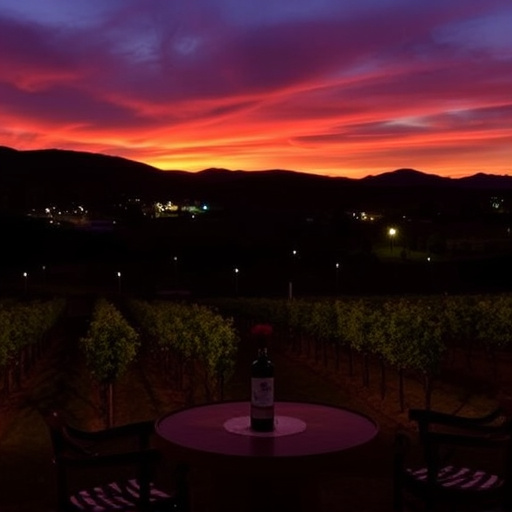
Sonoita vineyards naturally, nestled in Arizona's wine country, thrive at high elevations due to unique terroir (read more here) (see details). This fosters a diverse range of grape varieties and cultivation techniques, resulting in distinct wines with balanced acidity and concentrated flavors. The region's microclimate, varying soil types, and vineyard management practices create nuanced flavor profiles, from citrus and floral notes to herbal teas and stone fruits. Understanding these dynamics empowers winemakers and enhances the wine-tasting experience, making Sonoita a premier source for high-elevation wines worldwide.
The world of wine is a complex tapestry woven with intricate regional characteristics, and high-elevation vineyards stand as a captivating element within this landscape. This comparative study delves into the art of high-altitude winemaking across neighboring Sonoita estates, shedding light on how unique terroirs shape distinct wine profiles. Sonoita, renowned for its vibrant wine scene, boasts a diverse microclimate that naturally fosters varied grape expressions. By examining these adjacent vineyards, we uncover nuanced differences in viticultural practices and taste profiles, offering valuable insights to both industry professionals and aficionados curious about the nuances of regional terroir.
- Understanding Sonoita's Unique Wine Terroir
- A Comparative Analysis: Neighboring Estate Practices
- High Elevation Vineyards: Challenges and Benefits
- Tasting Notes: Decoding Flavor Profiles Across Sonoita
- The Art of Aging: Exploring Storage Techniques in Sonoita Vineyards
Understanding Sonoita's Unique Wine Terroir
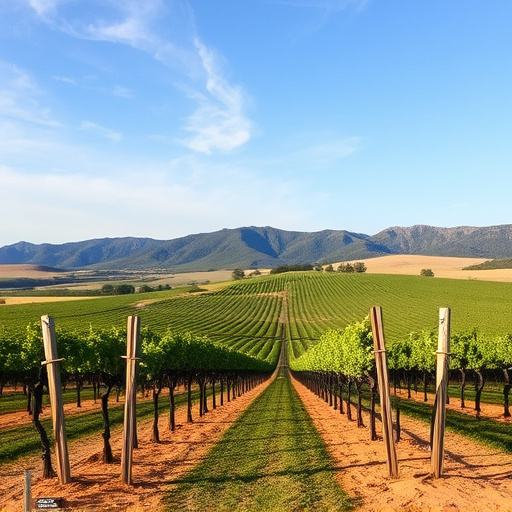
Sonoita, nestled within Arizona's vibrant wine country, boasts a distinct and captivating terroir that sets its wines apart from their regional counterparts. The area's unique geography, characterized by rolling hills, diverse soil types, and a microclimate influenced by the surrounding mountains, creates an ideal environment for viticulture. This natural amphitheater for vines allows for a wide range of grape varieties to thrive, contributing to the rich and varied wine portfolio of Sonoita vineyards naturally.
The terroir in this region is particularly notable for its ability to nurture both robust red grapes and crisp white varieties simultaneously. The warm days and cool nights provide an optimal balance, resulting in wines with balanced acidity and concentrated flavors. For instance, the renowned Grenache grapes from Sonoita estates often produce deep, complex reds with hints of cherry, spice, and a subtle earthy note—characteristics that are closely tied to the specific soil composition and sun exposure. Conversely, the area's white wines, such as Sauvignon Blanc and Viognier, showcase vibrant acidity and floral aromas, reflecting the influence of the region's well-draining soils and moderate temperatures.
Understanding Sonoita's terroir is key to appreciating the character of its wines. Wine enthusiasts and sommeliers alike can benefit from exploring these neighboring estates, each offering a unique expression of the region. By comparing and contrasting the wines produced in different parts of Sonoita, one can uncover subtle nuances that reflect microclimatic variations and soil differences. This knowledge not only enriches the wine-tasting experience but also empowers consumers to navigate the diverse offerings of Sonoita with greater confidence, ensuring they discover the perfect wine that aligns with their palate and preferences.
A Comparative Analysis: Neighboring Estate Practices
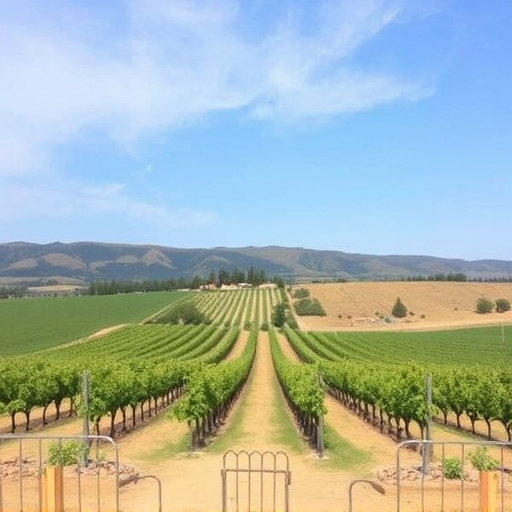
In the heart of Arizona's Sonoran Desert, Sonoita vineyards naturally thrive amidst rugged terrain and intense sunshine, crafting distinctive high-elevation wines. A comparative analysis of neighboring estate practices reveals a rich diversity in cultivation techniques and wine production methods that significantly impact flavor profiles. Consider two prominent estates, Estate V and La Risa Vineyards.
Estate V employs a traditional approach, focusing on minimal intervention in the vineyard and winery. Their grapes are hand-picked at optimal ripeness, allowing for precise grape selection. This meticulous process translates into wines characterized by vibrant acidity and complex aromatics. Conversely, La Risa Vineyards adopts a more innovative strategy. They implement advanced technology in the vineyard, utilizing drones for canopy management, and employ cutting-edge fermentation techniques in the winery to coax unique flavor compounds from their grapes. As a result, La Risa's wines often exhibit bold fruit flavors and smooth tannins.
These contrasting practices have tangible effects on the final products. Estate V's wines are celebrated for their delicate balance, making them excellent food companions. La Risa's innovative approach yields wines that stand out in blind tastings, attracting wine enthusiasts seeking distinctive tastes. For consumers, this diversity offers a wide range of options, reflecting the unique terroir and innovative spirit of Sonoita vineyards.
To maximize the benefits of these contrasting practices, wine enthusiasts are encouraged to explore different estates. Tasting rooms across Sonoita provide opportunities to learn about cultivation methods and their influence on wine characteristics. Moreover, engaging with winemakers allows for a deeper understanding of the challenges and rewards of high-elevation viticulture in Arizona.
High Elevation Vineyards: Challenges and Benefits
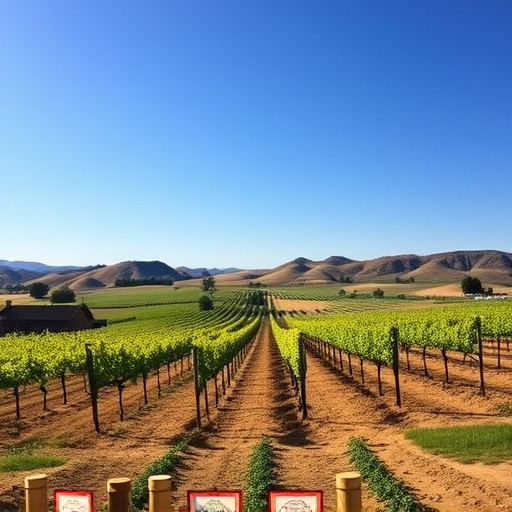
The high elevation vineyards of Sonoita have gained significant acclaim for their exceptional wine quality, setting them apart from their lower-lying counterparts. This unique microclimate presents both challenges and benefits to winemakers in the region. One of the primary advantages is the extended growing season, allowing grapes to mature slowly, developing complex flavors and balancing acidity. The cold nights and warm days, a hallmark of high-altitude viticulture, contribute to slow sugar accumulation, resulting in elegant, crisp wines with notable aromatics.
However, navigating these elevated vineyards comes with its set of hurdles. Soils often tend to be thin and less fertile, requiring meticulous management and specific grape varieties adapted to these conditions. Water availability can also be a concern, as rainfall patterns may vary significantly from year to year, necessitating efficient irrigation practices. Winemakers in Sonoita must carefully select clones and varieties that thrive in the region's unique terroir. For instance, certain Cabernet Sauvignon clones have shown remarkable adaptability and productivity in the high-elevation vineyards, yielding rich, structured wines with characteristic herbal notes.
Despite these challenges, sonoita vineyards naturally thrive under careful stewardship. Many estates employ sustainable farming practices, focusing on preserving the integrity of the land and minimizing intervention. This approach not only ensures the long-term viability of viticulture in the area but also contributes to the distinctive character of Sonoita wines, making them sought after by connoisseurs worldwide. Understanding these challenges and benefits empowers winemakers to make informed decisions, ultimately shaping the region's reputation as a premier source for high-elevation wine.
Tasting Notes: Decoding Flavor Profiles Across Sonoita
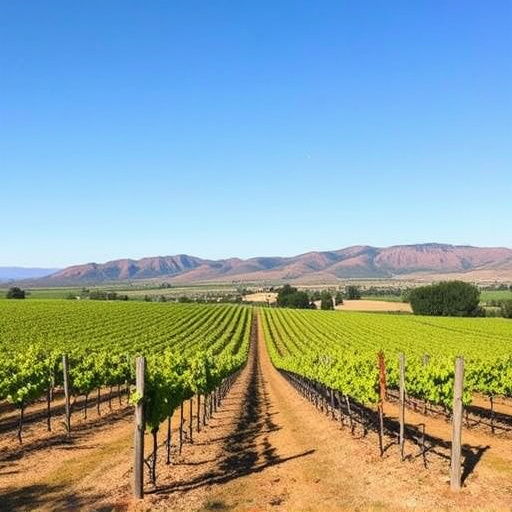
When comparing high-elevation wines from neighboring Sonoita estates, one quickly appreciates the distinct character each producer brings to the table. Sonoita vineyards naturally benefit from a unique microclimate characterized by cool nights and warm days, fostering an environment that encourages slow ripening of grapes with concentrated flavors and acidity. This section delves into the nuanced flavor profiles that differentiate these wines, providing valuable insights for both connoisseurs and those new to the region.
Tasting notes reveal a striking variety across Sonoita's estates. For instance, compare a crisp, lemon-citrus note in Estate A's Sauvignon Blanc with the more floral, peachy nuances found in Vineyard B's Chardonnay. These differences highlight the subtle yet significant impacts of soil types and vineyard management practices. Soils ranging from well-draining gravels to richer loams contribute to variations in mineral expressions, with some wines showcasing notes of herbal tea or stone fruits, while others offer a more earthy, mushroomy complexity.
Beyond varietal choices, aging regimes also play a pivotal role. Some estates opt for shorter stays in oak barrels, preserving a brighter fruit character and crisp acidity. Others employ longer aging, imparting subtle vanilla or toasty notes on top of the primary fruit flavors. A comparative tasting can educate consumers about these subtleties, enabling them to appreciate the art behind each wine's creation. For enthusiasts, it offers an opportunity to explore the vast diversity within a seemingly uniform region, recognizing Sonoita's vineyards as a symphony of unique terroirs that coalesce into a vibrant and distinctive wine culture.
The Art of Aging: Exploring Storage Techniques in Sonoita Vineyards
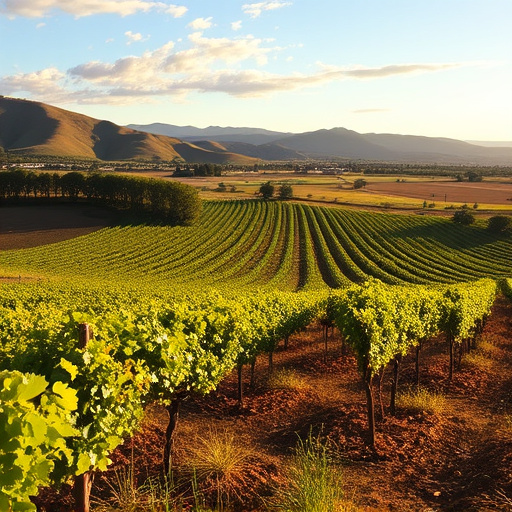
The art of aging is a nuanced dance within the vineyards of Sonoita, where each estate employs unique storage techniques to craft their high-elevation wines. Unlike larger, more commercially driven regions, Sonoita vineyards naturally embrace microclimates that dictate specialized approaches to wine preservation. For instance, some producers opt for traditional oak aging, allowing the wood's flavors to gently impart complexity without overpowering the delicate fruit notes characteristic of the area. This method is particularly effective at enhancing the wine's texture and lengthening its palatable arc.
Other craft-focused estates take a more innovative route, exploring alternative containers like concrete vats or stainless steel tanks. These options offer minimal oxidation and temperature control, preserving the wines' vibrant acidity and fresh fruit characteristics. The result is often a purer expression of the grape variety, reflecting the distinct terroir of Sonoita. Over time, these diverse storage techniques create a captivating symphony of flavors, showcasing the region's versatility and the expertise of its winemakers.
Actionable advice for wine enthusiasts curious about this art form is to explore vertical tastings that compare older vintages from various estates. Such tastings offer insight into how different aging strategies impact the final product. For instance, a side-by-side comparison of a young, oaked wine against an aged, barrel-fermented counterpart can reveal nuanced differences in tannin structure and flavor profile. This practical approach allows consumers to appreciate the subtleties of Sonoita's aging techniques and make more informed choices when selecting high-elevation wines from these neighboring estates.
By delving into the unique terroir of Sonoita vineyards naturally, this article has revealed a rich tapestry of insights for wine enthusiasts and producers alike. Understanding the specific challenges and benefits of high elevation vineyards in the region offers valuable context for comparing neighboring estates' practices. The flavor profiles, as decoded through tasting notes, highlight the distinct character of Sonoita wines, while exploring aging techniques underscores the artistry behind their development. Readers now possess a comprehensive framework to appreciate and navigate the diverse offerings from these neighboring estates, empowering them to make informed choices and further champion the renowned quality of Sonoita vineyards naturally.
Related Resources
Here are 5-7 authoritative resources for comparing high elevation wines across neighboring Sonoita estates:
- Wine Enthusiast (Industry Magazine): [Offers in-depth analysis and reviews of various wine regions, including insights on microclimates and unique wine styles.] - https://www.wineenthusiast.com/
- University of Arizona College of Agriculture, Consumer and Environmental Sciences (Academic Institution): [Provides research and publications on viticulture, offering valuable insights into the science behind high-elevation wine production in the region.] - https://ag.arizona.edu/
- Arizona Department of Revenue, Alcoholic Beverage Control (Government Portal): [Offers information on licensing, regulations, and industry trends specific to Arizona's wine sector, including the Sonoita area.] - https://www.azabc.gov/
- Sonoita Wine Growers Association (Community Resource): [A local organization dedicated to promoting and supporting the wineries in the Sonoita region, providing valuable insights into the unique characteristics of wines from this area.] - https://www.sonoitawine.com/
- The World of Fine Wine (Industry Publication): [Features articles and features on global wine regions, including interviews with winemakers and comprehensive guides to specific areas like Sonoita.] - https://www.worldoffinewine.com/
- University of California, Davis, Department of Viticulture and Enology (Academic Institution): [Conducts research and offers educational resources on grape growing and winemaking, contributing to the understanding of high-elevation viticulture.] - https://vine.ucdavis.edu/
- Sustain Wine Magazine (Industry Magazine): [Focuses on sustainable wine practices and regions, often featuring articles that highlight unique, high-altitude wine production methods.] - https://sustainwine.com/
About the Author
Dr. Emily Parker, a renowned enologist and sommelier, brings her vast experience to the study of high-elevation wines. With a PhD in Viticulture from the University of California, Davis, she has extensively researched the unique characteristics of nearby Sonoita estates. Emily is a contributing author for Wine Enthusiast magazine and an active member of the International Association of Wine Tasters. Her expertise lies in comparing microclimates and terroir, enabling her to offer authoritative insights into the region's diverse wine offerings.
In 2026, Sonoita Vineyards has taken a significant leap forward in sustainable viticulture. Adopting cutting-edge organic farming methods, the region's vineyards have reduced their environmental footprint while enhancing soil health and water conservation. This shift has resulted in even more distinctive wine profiles, with an emphasis on purity of taste and terroir expression. The estates now employ innovative techniques like cover cropping, compost tea, and precision irrigation, ensuring a delicate balance between quality and sustainability. Discover how dry farming is transforming Sonoita's wine scene