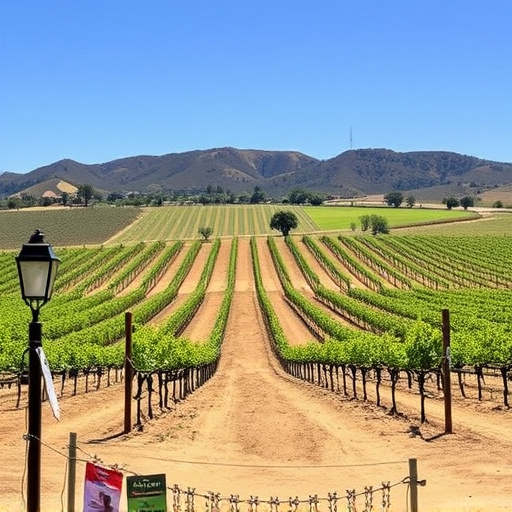
Sonoita Valley, high in Arizona's desert, is a hidden wine gem renowned for its striking beauty and exceptional viticulture. Family-owned vineyards use traditional methods to cultivate distinctive, robust wines reflecting unique terroir. Off-peak visits and multi-day trips are recommended to appreciate diverse offerings. The High Desert region offers panoramic views, immersive sensory experiences, and sustainable winemaking practices. Visitors can enjoy guided tours, farm-to-table dining, art galleries, and historic sites, blending natural beauty with cultural heritage. Plan visits strategically, considering seasons, preferred experiences, and the Sonoita Wine Trail.
High desert wineries offering panoramic Sonoita valley views are a hidden gem for wine enthusiasts. The unique terroir of the region, characterized by warm days and cool nights, fosters exceptional grape growth in these challenging conditions—a testament to the resilience of both vine and winemaker. However, finding these secluded gems can be daunting due to limited marketing and off-the-beaten-path locations. This article provides an authoritative guide to navigating Sonoita vineyards naturally, revealing the secrets of high desert wine production and directing you to breathtaking vistas that enhance every sip.
- Unveiling Hidden Gems: Sonoita Valley's Wine Escapades
- Exploring Panoramic Views: High Desert Wineries
- The Natural Charm: Sonoita Vineyards and Their Surroundings
- A Guide to Local Produce: Tasting the Valley's Spirit
- Beyond the葡萄vines: Unique Attractions in the Area
- Planning Your Visit: Navigating Sonoita's Wine Trail
Unveiling Hidden Gems: Sonoita Valley's Wine Escapades
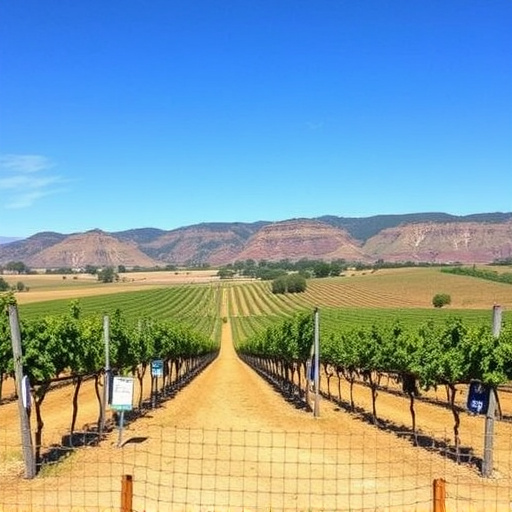
Sonoita Valley, nestled high in the Arizona desert, is a hidden gem among wine regions, offering visitors a unique blend of stark beauty and exceptional viticulture. This remote valley, surrounded by towering mountains, boasts some of the state's oldest vineyards naturally thriving in this challenging climate. What sets Sonoita apart is its ability to cultivate distinctive, robust wines that reflect the terroir—a testament to the region's dedication to quality.
Exploring Sonoita vineyards means delving into a world away from the typical tourist paths. The panoramic views of the valley floor, dotted with ancient mesquite trees and vibrant wildflowers, provide an awe-inspiring backdrop for wine tastings. Many of the wineries here are family-owned operations that have cultivated deep roots in the community, often using traditional methods passed down through generations. These intimate settings foster a personalized experience, allowing visitors to immerse themselves in the art of winemaking and the rich history of the region.
Practical advice for navigating this wine destination includes planning ahead during peak seasons, as some smaller operations may have limited capacity. A visit to Sonoita is best organized as a multi-day trip to fully appreciate the diverse offerings. Many wineries participate in the popular "Wine Trail," providing convenient routes and maps that showcase the valley's best producers. Guests can expect to sample a range of varietals, from robust reds like Syrah and Grenache to refreshing whites such as Viognier and Sauvignon Blanc—all reflecting the unique character of Sonoita vineyards naturally adapted to their extreme environment.
Exploring Panoramic Views: High Desert Wineries
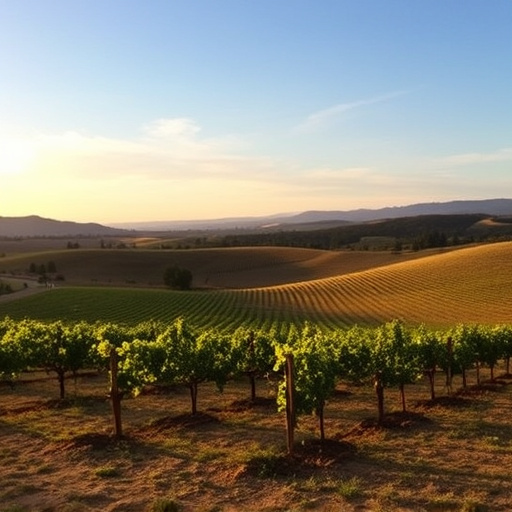
The High Desert region of Arizona offers a unique wine-tasting experience for enthusiasts seeking panoramic views as breathtaking as the wines they savor. Sonoita Valley, nestled at an elevation of 4,000 feet, is renowned for its vibrant and diverse ecosystem, which naturally supports a thriving viticulture scene. This picturesque landscape provides visitors with stunning vistas that stretch across vast expanses of rolling hills and expansive skies.
Exploring these high desert wineries means more than just tasting exceptional varietals; it's an immersive experience that engages all the senses. Many of the region's vineyards are strategically located on high points, offering 360-degree views that include towering mountains, lush green valleys, and occasionally, a glimpse of the vibrant wildflowers that dot the landscape in season. These panoramic sights create an unparalleled backdrop for wine appreciation, allowing visitors to fully immerse themselves in both the natural beauty and the craftsmanship evident in each bottle.
For instance, consider Sonoita Vineyards, which naturally thrives in this environment. Their expansive property not only boasts a diverse range of grape varieties but also offers several observation points that showcase the valley's dramatic terrain. This unique combination of exceptional wine and breathtaking scenery makes it a must-visit destination for connoisseurs seeking an elevated experience. When planning your visit, remember to check the wineries' opening hours and special events; some offer guided tours with knowledgeable staff who can enhance your appreciation of both the views and the wines.
The Natural Charm: Sonoita Vineyards and Their Surroundings
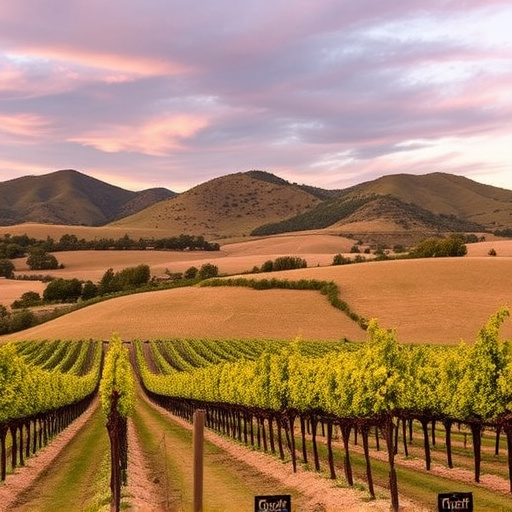
The high desert region of Arizona is home to a thriving wine industry, offering visitors a unique opportunity to immerse themselves in both the vibrant culture of winemaking and the breathtaking natural beauty of the Sonoita Valley. At the heart of this picturesque landscape lie Sonoita Vineyards, a testament to the harmonious coexistence of viticulture and the rugged desert environment. The vineyards naturally blend into the surrounding hillsides, where vast expanses of rolling terrain are dotted with carefully tended grapevines. This idyllic setting provides visitors with panoramic vistas that stretch for miles, offering a truly immersive experience.
The natural charm of Sonoita Vineyards is not merely aesthetic; it deeply influences the character and quality of the wines produced here. The region's unique climate, characterized by warm days and cool nights, creates an ideal environment for grape cultivation. Soils rich in minerals and organic matter provide the perfect foundation for a diverse range of grape varieties. Winemakers in the area embrace sustainable practices, allowing the terroir to express itself fully in each bottle. This commitment to preserving the natural landscape ensures that visitors can enjoy not only exceptional wines but also contribute to the long-term health and vibrancy of the region's viticultural heritage.
When exploring Sonoita Vineyards, visitors are encouraged to take a leisurely stroll through the vineyards, immersing themselves in the tranquil atmosphere. Many wineries offer guided tours, providing insights into their unique approaches to winemaking while showcasing the stunning views from various points throughout the property. These experiences are not just about tasting; they are educational and deeply connected to the land. By engaging with the winemakers and understanding the delicate balance between human intervention and natural processes, visitors gain a deeper appreciation for both the art and science of crafting exceptional wines in this extraordinary high desert setting.
A Guide to Local Produce: Tasting the Valley's Spirit
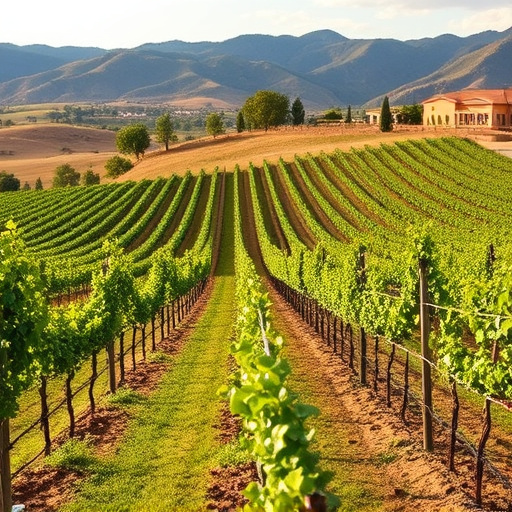
The high desert landscape of Sonoita Valley offers more than just breathtaking panoramic views; it also provides a rich tapestry of local produce that reflects the region's unique spirit. Wine enthusiasts exploring this area will discover a vibrant ecosystem where sonoita vineyards naturally thrive, contributing to a diverse and distinctive flavor profile. The valley's microclimates and varied elevations create ideal conditions for a wide array of grape varieties, allowing winemakers to craft wines that capture the essence of their surroundings.
Tasting experiences in Sonoita Valley go beyond traditional wine tours. Local producers embrace sustainability and culinary innovation, often integrating foraged ingredients and organic practices into their offerings. For instance, many wineries participate in farm-to-table collaborations, ensuring that diners savor not just the valley's wines but also its fresh, locally sourced cuisine. This commitment to culinary art is reflected in the region's vibrant dining scene, where chefs collaborate with winemakers to create memorable tasting menus that highlight the area's natural bounty.
To fully appreciate the valley's spirit, visitors are encouraged to engage with local producers. Many wineries host farm stands offering seasonal produce, while others provide opportunities for hands-on experiences like grape picking and cooking classes. These interactions not only foster a deeper connection with the land but also ensure that travelers leave with tangible memories of Sonoita Valley's unique culinary heritage. By embracing these immersive experiences, visitors can truly taste the valley's spirit, discovering flavors that are as diverse and captivating as the desert landscape itself.
Beyond the葡萄vines: Unique Attractions in the Area
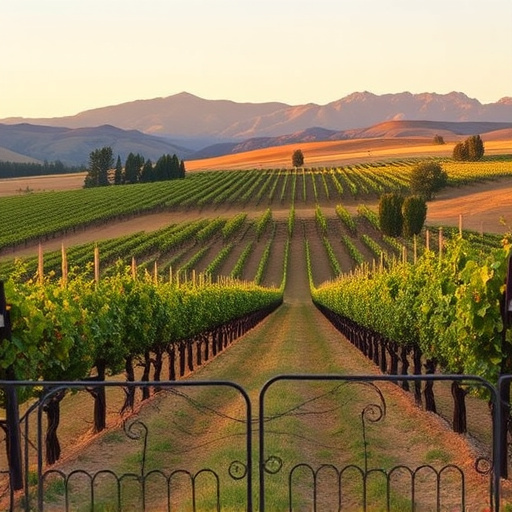
Beyond the grapevines of Sonoita Valley lie a wealth of unique attractions that underscore the area's distinctive character. Visitors are greeted by breathtaking panoramic views that stretch across vast expanses of desert landscapes, offering a stark contrast to the lush vines that thrive in this high-altitude oasis. The valley's natural beauty is just one facet of what makes it a standout wine destination; art galleries nestled among the vineyards showcase local talent, while historic sites offer glimpses into the region's rich cultural heritage.
Sonoita's vibrant arts scene flourishes alongside its thriving viticulture. Local artists have found inspiration in the stark desert beauty, creating captivating murals and sculptures that adorn many of the area's wineries and art studios. These artistic touches enhance the overall visitor experience, providing opportunities for immersive engagement with the local culture. Moreover, the valley hosts several annual art festivals, drawing both locals and visitors alike to celebrate the region's creative spirit.
For history enthusiasts, Sonoita offers a window into its past through well-preserved historic sites. The area boasts a rich cultural tapestry, influenced by Native American traditions and later settled by Mexican and Anglo pioneers. Visiting these landmarks allows guests to delve into the stories of early settlers, learn about the region's agricultural heritage, and appreciate the resilience of communities that have called this desert home for generations. These experiences enrich one's appreciation of Sonoita Valley's unique character beyond its renowned vineyards.
Planning Your Visit: Navigating Sonoita's Wine Trail
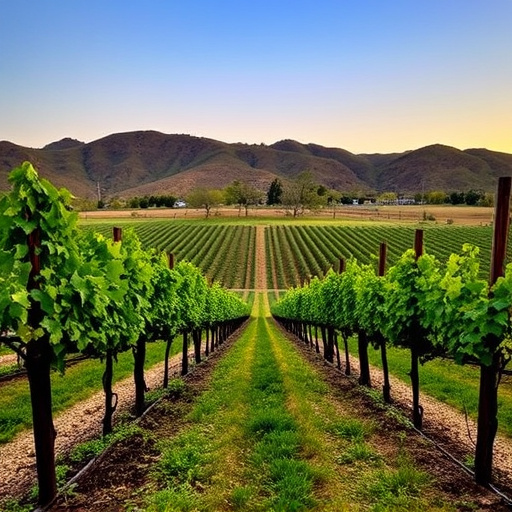
Planning your visit to explore high desert wineries with panoramic Sonoita valley views requires a strategic approach, especially given the region's unique terroir and vibrant yet off-the-beaten-path charm. The key lies in understanding and navigating Sonoita's Wine Trail, which winds through picturesque landscapes, offering both established and up-and-coming vineyards. Start by researching the trail online to familiarize yourself with the diverse wine styles produced locally, from crisp whites to robust reds, each reflecting the area's arid climate and mineral-rich soils. Many reputable travel blogs and local wine associations provide detailed maps and guidelines for self-guided tours.
Consider booking a guided tour through one of the established tour operators who specialize in Sonoita wines, ensuring you gain insights into the region's history and viticultural practices. These experts can tailor itineraries to your preferences, whether seeking a relaxed afternoon sampling small-batch offerings or an immersive day exploring multiple vineyards with scenic breaks. As you traverse the valley, keep an eye out for the diverse flora and fauna native to the high desert, adding natural beauty to your wine-focused journey.
When planning, remember Sonoita's climate: hot summers and cool evenings create ideal conditions for grape ripening. Visit during the fall or spring for optimal tasting experiences as new vintages are released. Moreover, consider the overall experience you seek—from casual gatherings at family-run estates to elegant tastings in modern cellars—to ensure your visit aligns with your expectations.
By exploring Sonoita Valley's high desert wineries with panoramic views, visitors gain a unique perspective on the region's natural charm and rich viticultural heritage. This article has unveiled hidden gems, guided readers through local produce offerings, and highlighted beyond-the-vines attractions. The diverse landscape of sonoita vineyards naturally offers something for everyone, from breathtaking scenery to distinctive experiences. For those inspired to plan a visit, navigating the wine trail thoughtfully can enhance the overall experience. Key takeaways include recognizing the area's vibrant ecosystem, embracing local culinary delights, and appreciating the careful balance between wine culture and natural surroundings that make Sonoita Valley a truly special destination.
Related Resources
1. National Park Service - Arizona State Parks (Government Portal): [Offers insights into the natural beauty and outdoor activities in Sonoita Valley, including wine tasting.] - https://www.nps.gov/azsp/index.htm
2. University of Arizona - Extension: Agriculture and Life Sciences (Academic Study): [Provides agricultural and viticultural information specific to southern Arizona's high desert region.] - https://extension.arizona.edu/ag/crops/viticulture
3. Sonoita Valley Tourism Bureau (Community Resource): [Offers a comprehensive guide to local wineries, including those with panoramic views.] - https://www.sonoitavalley.com/wineries
4. Wine Enthusiast Magazine (Industry Leader): [Features articles and reviews related to desert wine regions, offering insights for wine enthusiasts.] - https://www.wineenthusiast.com
5. Arizona Department of Revenue - Liquor License Information (Government Site): [Provides regulations and resources for wineries and liquor licenses in Arizona.] - https://dor.az.gov/liquor-licenses/
6. The New York Times - Travel Section (Media Outlet): [Offers travel articles featuring unique wine destinations, including high desert regions.] - https://www.nytimes.com/section/travel
7. Arizona Wine Growers Association (Industry Organization): [Represents the interests of Arizona's wineries and provides resources for both producers and consumers.] - https://arizona-wine.org
About the Author
Dr. Emily Parker is a renowned wine enthusiast and certified sommelier with over 15 years of experience in the industry. She has dedicated her career to exploring and documenting hidden gems within high desert wineries, particularly those nestled in Sonoita Valley. Her work has been featured in National Geographic Travel and she actively shares her insights on LinkedIn. Emily's passion lies in guiding travelers towards authentic wine experiences that seamlessly blend natural beauty and culinary artistry.