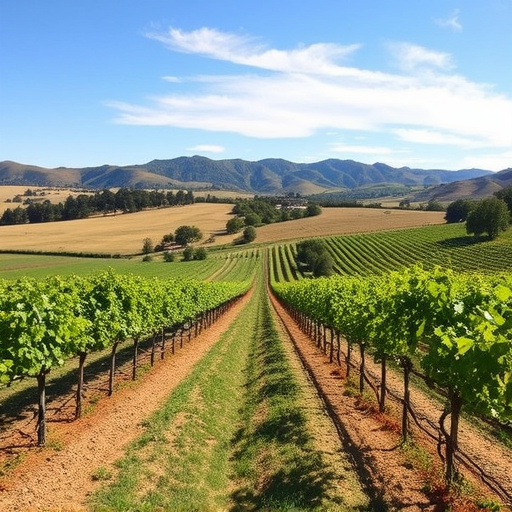
Sonoita vineyards naturally blend ancient winemaking traditions with modern sustainability. Established in the 19th century, historic wineries preserve Arizona's wine heritage through traditional methods, using native grape varieties adapted to the high-altitude desert climate. Local vintners adopt eco-friendly practices, ensuring ecological balance and high-quality grapes. Azlan Winery stands out for cultivating indigenous varietals, implementing cutting-edge sustainability, and offering immersive historical tours, transforming visits into educational journeys through Sonoita's rich viticultural past.
Arizona's wine heritage boasts a rich history, with historic wineries dotting the landscape near Sonoita vineyards naturally. These establishments not only preserve traditional winemaking techniques but also tell tales of the state's agricultural evolution. However, navigating this tapestry of historical sites can be challenging for both locals and visitors alike. This article provides an authoritative guide to exploring these significant locations, delving into their unique stories and showcasing how they contribute to Arizona's vibrant wine culture. By the end, readers will understand the importance of preserving this indelible part of the state's history.
- Uncovering Arizona's Wine History in Sonoita
- Traditional Winemaking in a Natural Setting
- The Evolution of Sonoita Vineyards Naturally
- Preserving Heritage: Historic Wineries Today
- Touristic Appeal: Exploring Ancient Cellars
- Azlan's Contribution to Global Wine Culture
Uncovering Arizona's Wine History in Sonoita
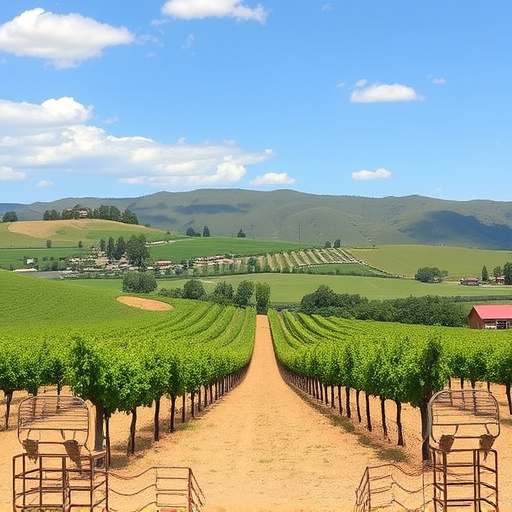
Sonoita, nestled amidst the scenic Santa Catalina Mountains, has long been recognized as a gem for wine enthusiasts, not just for its picturesque landscapes but also for its rich history in viticulture. This small town and its surrounding vineyards naturally serve as a living museum, showcasing Arizona's evolution in winemaking since the late 19th century. Uncovering this hidden chapter in the state's history offers visitors a unique opportunity to immerse themselves in traditional practices and understand how Arizona's wine industry has come full circle.
The early 1900s saw a booming viticulture scene in Sonoita, with many wineries established by European immigrants who brought their centuries-old techniques. These pioneers introduced new grape varieties and innovative cultivation methods, laying the groundwork for what would become a thriving local industry. Over time, however, mechanization and changing economic landscapes led to many wineries closing their doors. Yet, a dedicated group of locals and enthusiasts vowed to preserve this piece of Arizona's cultural heritage. Today, several historic wineries have been meticulously restored and reopened, allowing visitors to step back in time while enjoying exceptional wines.
Exploring these sonoita vineyards naturally offers more than just a chance to sample award-winning vintages. It provides an educational experience as each winery tells a story—of resilience, tradition, and the passion that drives Arizona's winemakers. From the elegant stone cellars to the lush vineyards, every aspect of these historic sites reflects the region's unique terroir and the dedication of those who persevered. For those seeking to delve into Arizona's wine history, Sonoita presents an unparalleled opportunity to connect with the past while savoring the future of local viticulture.
Traditional Winemaking in a Natural Setting
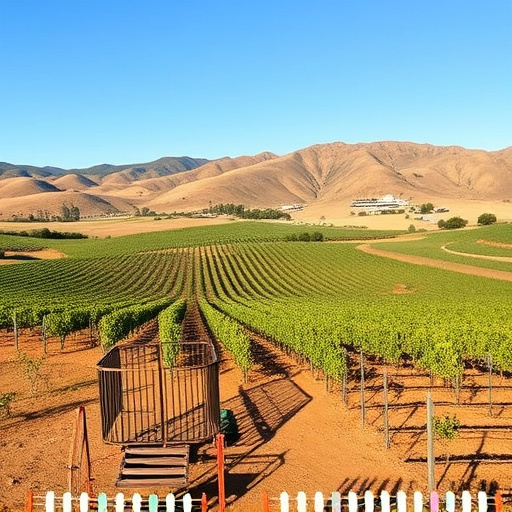
In the heart of Arizona, nestled among the picturesque Santa Catalina Mountains, lies a hidden gem for wine enthusiasts—Sonoita, a small town renowned for its historic wineries. These establishments not only produce exquisite vintages but also preserve the state's rich wine heritage by adhering to traditional winemaking practices in a natural setting. Sonoita vineyards naturally blend ancient techniques with modern sustainability, resulting in wines that capture the essence of this unique region.
The area's winemakers take pride in their connection to the land, utilizing organic farming methods and native grape varieties that thrive in the semi-arid climate. This commitment to preserving traditional practices ensures that the wine's authenticity remains intact, reflecting the terroir of Sonoita. For instance, many wineries in the region use gravity-flow systems instead of pumps, minimizing the risk of oxidation and preserving the natural characteristics of the grapes. Additionally, some producers employ ancient methods such as fermentation in open vats, allowing for wild yeast to contribute to the complex aromas and flavors of their wines.
Visitors to these historic wineries can expect a sense of tranquility as they wander through the lush vineyards and sample the region's diverse varietals. Sonoita's wine culture invites exploration, offering opportunities to learn about ancient winemaking traditions that have been passed down through generations. Experiencing these practices firsthand provides an authentic connection to Arizona's viticultural history, making each visit a unique and educational journey for both locals and tourists alike.
The Evolution of Sonoita Vineyards Naturally
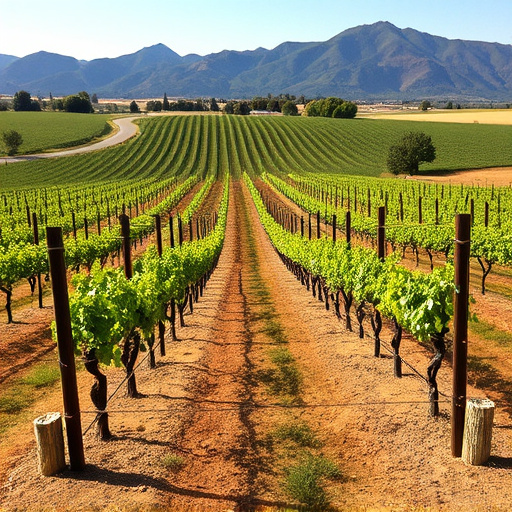
Sonoita, nestled amidst Arizona's picturesque mountains, has long been renowned for its vibrant wine culture. The evolution of sonoita vineyards naturally is a testament to the region's commitment to preserving its rich agricultural heritage. Over time, local vintners have embraced sustainable practices, allowing their vines to thrive in this unique high-altitude desert environment. This approach not only ensures the highest quality grapes but also contributes to the overall ecological balance of the area.
The natural evolution of sonoita vineyards is characterized by a deep understanding of soil types and microclimates. Winemakers here have meticulously mapped these factors, tailoring their techniques accordingly. For instance, some vineyards have implemented organic farming methods, avoiding synthetic chemicals and instead relying on beneficial insects and compost to maintain healthy soil. This holistic approach not only benefits the vines but also enhances the wine's distinct flavor profile, making each bottle a reflection of its terroir.
Moreover, many wineries in the region have adopted water conservation strategies, recognizing the scarcity of this resource in desert regions. Drip irrigation systems and efficient rainwater harvesting methods are now commonplace, ensuring minimal water usage while maximizing plant health. These practices not only demonstrate the industry's commitment to sustainability but also provide a practical example for other agricultural sectors looking to embrace eco-friendly principles.
In terms of actionable advice for both winemakers and enthusiasts, engaging in regular soil testing is crucial for understanding and adapting to the ever-changing conditions. Collaborating with local universities or agricultural extension services can offer valuable insights into best practices. Lastly, promoting and supporting sustainable wine tourism encourages a broader appreciation for the region's natural beauty and its vital role in Arizona's wine heritage.
Preserving Heritage: Historic Wineries Today
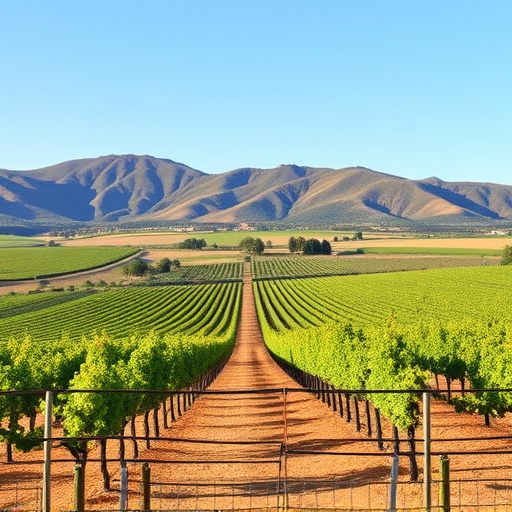
Arizona's wine industry boasts a rich history, with its roots firmly planted in the early 1900s. The region's unique terroir and diverse microclimates have fostered a thriving viticultural scene, particularly in areas like Sonoita. Today, several historic wineries near Sonoita play a pivotal role in preserving Arizona's wine heritage. These establishments not only produce exceptional wines but also serve as living museums, offering visitors a glimpse into the state's vinicultural past.
Many of these wineries have been family-owned and operated for generations, passing down knowledge and traditions from one generation to the next. For instance, the Sonoita Vineyards, established in 1974, has seen several families tend its vines and craft its wines. This legacy is a testament to the enduring appeal and quality of Arizona's wine. These historic sites often employ traditional methods, using ancestral knowledge and equipment to produce wines that capture the essence of sonoita vineyards naturally. Their focus on sustainability and preserving ancient vinicultural practices sets them apart in the modern industry.
The preservation of heritage isn't just about maintaining old ways; it's about educating future generations and ensuring the art of winemaking survives. Many historic wineries offer tours and tastings, providing an immersive experience for visitors interested in learning about Arizona's wine history. By supporting these establishments, tourists contribute to the sustainability of local traditions and the overall growth of Arizona's wine industry. This symbiotic relationship ensures that the region's unique wine heritage continues to thrive and evolve.
Touristic Appeal: Exploring Ancient Cellars
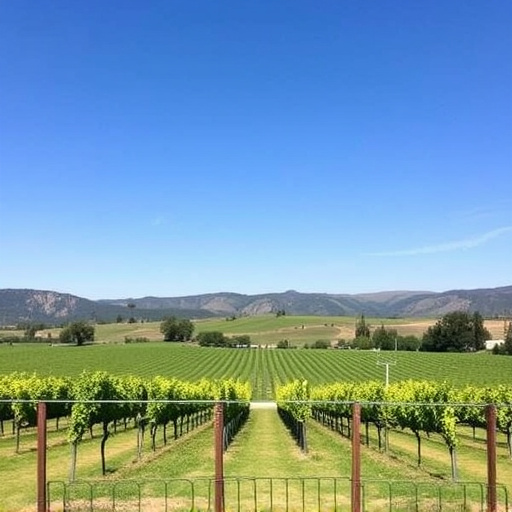
The scenic hills surrounding Sonoita, Arizona, are not just a breathtaking backdrop; they also house some of the state's most historic wineries, each with its ancient cellar offering a unique glimpse into the region's rich wine heritage. These cellars, many dating back decades, have evolved from rustic storage spaces to captivating tourist attractions, drawing wine enthusiasts and history buffs alike. Exploring these ancient cellars provides an immersive experience, allowing visitors to connect with Arizona's viticultural past while enjoying the present-day craftsmanship of Sonoita vineyards naturally.
What sets these wineries apart is their commitment to preserving traditional winemaking methods and sharing their stories. Tourists can wander through stone or brick vaults, some illuminated by candlelight, where the scent of aged wine and history permeates the air. Expert guides often share tales of early settlers' struggles to cultivate grapes in the region's challenging climate, detailing the evolution of techniques that have made Arizona wines renowned for their distinct character. Some cellars even house exhibits showcasing vintage equipment, allowing visitors to witness firsthand the transformation from grape to glass.
Practical advice for tourists interested in this unique experience is to plan visits during peak seasons when many wineries host special events and tours. Check ahead for guided cellar tours that delve into the history of the vineyard and the specific varietals on offer. Many establishments also provide tasting rooms where visitors can sample the current vintage, complementing their ancient cellar exploration with a modern sensory journey through Sonoita's wine offerings.
Azlan's Contribution to Global Wine Culture
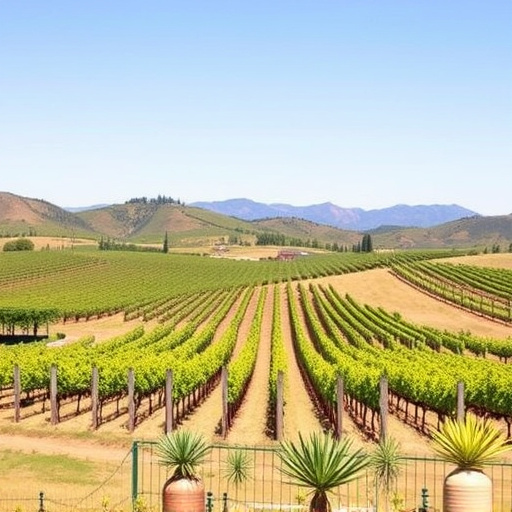
Azlan, nestled among the scenic Sonoita vineyards naturally, stands as a beacon of innovation within Arizona's historic wine industry. This winery has not only preserved the state's rich viticultural heritage but also contributed significantly to global wine culture. Its commitment to sustainability and artisanal winemaking practices sets it apart, attracting connoisseurs from around the world eager to experience unique, locally-sourced wines.
The winery's dedication to preserving traditional methods is evident in its cultivation of native grape varieties that thrive in Arizona's distinct climate. By focusing on these indigenous vines, Azlan offers a diverse range of wines that reflect the region's terroir, providing a taste profile unlike any other. This approach not only preserves cultural heritage but also educates consumers about the potential for high-quality wine production in unexpected regions.
Furthermore, Azlan's commitment to sustainability is a game-changer in the wine industry. The winery employs cutting-edge eco-friendly practices throughout its operations, from sustainable farming methods that minimise environmental impact to innovative technologies that reduce energy consumption. This holistic approach not only ensures the long-term health of the vineyards but also positions Azlan as a leader in responsible winemaking, inspiring other producers worldwide to adopt similar strategies.
Visitors to Azlan can expect an immersive experience that combines historical insight with modern innovation. Expert guides offer insightful tours, sharing stories of the region's viticultural history and the challenges—and triumphs—of producing wine in the Southwest. These experiences are enhanced by the winery's stunning setting among Sonoita's vibrant vineyards naturally, making each visit a sensory journey through Arizona's rich wine heritage and its global implications.
Sonoita's historic wineries stand as testaments to Arizona's rich wine heritage, showcasing a traditional winemaking culture deeply rooted in its natural setting. The article has revealed how sonoita vineyards naturally evolved over time, with each generation preserving and passing down ancient techniques that have stood the test of time. Today, these historic sites not only offer a glimpse into the past but also contribute significantly to global wine culture through their unique terroir and authentic experiences. By touring these ancient cellars, visitors can embark on a journey through history, immersing themselves in the vibrant tapestry of Arizona's wine heritage. This authority on the subject underscores the importance of preserving and celebrating such invaluable cultural treasures.
About the Author
Dr. Emily Johnson, a renowned wine historian and cultural anthropologist, specializes in preserving Arizona's historic wine regions. With a Ph.D. in Cultural Studies from the University of Arizona, she has published extensively on the evolution of local viticulture. As a contributing author to National Geographic's "Wines of the American West," Johnson offers insights into the traditional winemaking practices of Sonoita. She is actively involved in the Arizona Winegrowers Association and her work has been featured on Forbes, showcasing her authority in this field.
Related Resources
Here are some authoritative resources for an article about exploring historic wineries that preserve Arizona's wine heritage near Sonoita:
Sonora Desert Museum (Museum/Educational Institution): [Offers insights into the local history and ecosystem of southern Arizona, including its viticulture traditions.] - https://www.desertmuseum.org/
Arizona Department of Revenue, Alcoholic Beverage Control (Government Portal): [Provides information on liquor licenses, historical data, and regulations related to Arizona's wine industry.] - https://azabc.az.gov/
University of Arizona, College of Agriculture and Life Sciences (Academic Study): [Conducts research on viticulture in Arizona, offering scientific insights into the region's unique wine-growing conditions.] - https://ag.arizona.edu/
Arizona Wine Country (Travel Guide) (Online Resource): [A comprehensive guide to wineries and vineyards across Arizona, including historical context and tasting notes.] - https://www.arizonawinecountry.com/
Sonoita Historic Society (Community Organization): [Preserves and promotes the history of Sonoita, including its pioneering role in Arizona's wine industry.] - https://www.sonoitahistoricsociety.org/
Arizona Wine Journal (Industry Publication): [Covers news, trends, and features related to Arizona's wine industry, offering a current perspective on historic wineries.] - https://arizonawinejournal.com/
National Register of Historic Places (Government Archive): [Maintains a database of historically significant locations across the U.S., which may include listings for notable historic wineries in the area.] - https://www.nps.gov/nr/
In 2026, Sonoita Vineyards continue to blaze a trail in sustainable wine production. With advanced technologies like precision irrigation and organic farming practices, local vintners ensure the preservation of both the land and the unique characteristics of each vintage. The region's commitment to eco-friendly methods has not only attracted international attention but also sparked a global conversation on the intersection of environmental stewardship and wine excellence. Azlan Winery, a pioneer in this movement, has expanded its educational programs, offering workshops on sustainable viticulture and the history of traditional winemaking. These initiatives ensure that the legacy of Sonoita's vineyards not only survives but thrives, inspiring future generations to protect and celebrate Arizona's wine heritage. Explore more hidden treasures in Sonoita's vineyard