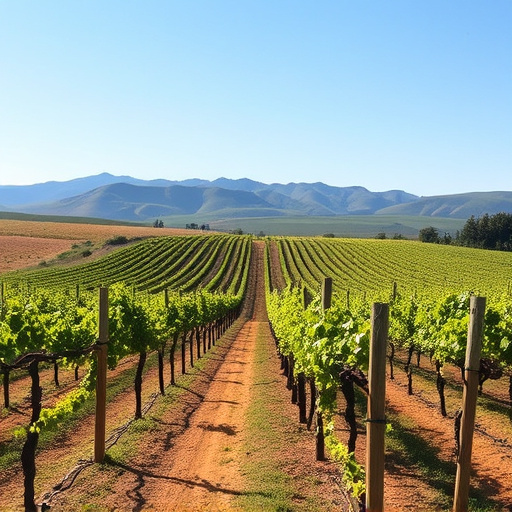
The Sonoita region (get the details), known for its natural wine movement, produces distinctive ecologically responsible wines through sustainable farming practices. Local vintners emphasize minimal intervention, using native yeast fermentation to create balanced, complex flavors reflecting the unique climate and soil composition. Limited edition Sip collections showcase diverse microclimates, with series like "Desert Son" highlighting regional varietals. Winemakers' passion can be explored through tastings and tours, connecting enthusiasts with artisans and the natural landscape. Building a collection involves understanding collective practices, ageability, accessibility, and cultural significance, while staying informed about new releases and critical acclamations.
The vibrant world of wine is ever-evolving, with regional specialties gaining prominence for their unique terroirs and innovative approaches. Among these, the Sonoita-area stands out as a beacon of culinary and agricultural excellence, renowned for its pioneering wine collectives and limited-edition releases that showcase the region's distinctive character. However, navigating this complex landscape can be daunting for enthusiasts seeking authentic experiences. This article delves into the art of exploring Sonoita vineyards' limited editions, providing valuable insights to enhance your appreciation of these craft wines.
- Discovering Sonoita's Natural Wine Collective
- Exploring Limited Edition Sip Collections
- The Art of Crafting Unique Vineyard Wines
- A Guide to Collecting and Tasting Local Vines
Discovering Sonoita's Natural Wine Collective
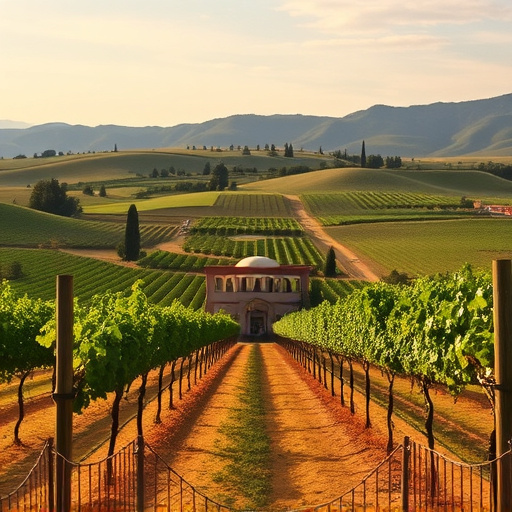
The Sonoita region in Arizona stands out as a pioneer in the natural wine movement, where vineyards thrive in an environment that fosters unique, high-quality grapes. This area's wine collectives have embraced sustainable farming practices, allowing them to produce wines that are both distinctive and ecologically responsible. One of the most intriguing aspects of Sonoita's wine scene is its Natural Wine Collective, a collaborative effort among local vintners who share a commitment to minimal intervention in winemaking.
These collectives prioritize preserving the inherent characteristics of their grapes, letting the terroir speak for itself. By avoiding synthetic additives and focusing on native yeast fermentation, the winemakers in Sonoita create wines that reflect the region's distinct climate and soil composition. For instance, many of these natural wines showcase vibrant acidity, reflecting the area's hot summers and cool nights, resulting in balanced, complex flavors. The collective's approach ensures that each bottle tells a story about the specific vineyard, the year, and the unique microclimate where the grapes were grown.
Visitors to Sonoita have the opportunity to explore these natural wines through various tastings and tours organized by the collectives. Immersing oneself in this experience allows for a deeper understanding of sustainable viticulture and its impact on the final product. By supporting these pioneering wineries, enthusiasts not only enjoy exceptional, unique wines but also contribute to a more sustainable future for wine production.
Exploring Limited Edition Sip Collections
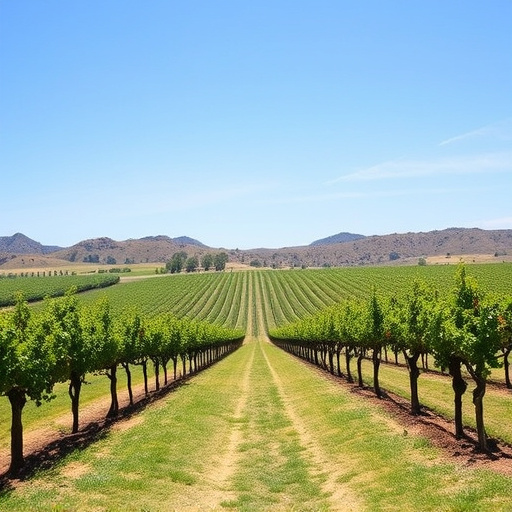
The limited edition Sip collections from Sonoita-area wine collectives offer an intriguing glimpse into the region's rich viticultural heritage and innovative spirit. These carefully curated offerings showcase the distinct character of local vineyards, where diverse microclimates and soil types contribute unique flavor profiles to each bottle. For instance, consider the "Desert Son" series from a collective of small-batch producers, featuring varietals like Grenache and Mourvèdre that thrive in Sonoita's warm, arid conditions, resulting in rich, complex wines with distinctive desert notes.
Exploring these limited editions provides an opportunity to engage directly with the craft and passion that drives local winemakers. Each release tells a story, whether it's the year's exceptional vintage or a specific vineyard's unique terroir. For example, a collective might source grapes from a high-altitude plot in Sonoita Valley known for its cool evenings, leading to a crisp, fruit-forward Chardonnay with notable acidity. Understanding these nuances allows connoisseurs and enthusiasts alike to appreciate the nuanced expressions of Sonoita's diverse vineyards naturally.
To maximize your experience, consider joining a collective's newsletter or attending their exclusive tastings, which often provide behind-the-scenes insights into the winemaking process and the stories behind each limited edition. These events foster connections within the community and offer a chance to meet the artisans behind the wine. Additionally, keeping an eye out for releases during specific seasons can enhance your appreciation of Sonoita's annual wine cycle, where different varietals and styles emerge, reflecting the area's ever-changing vineyard offerings.
The Art of Crafting Unique Vineyard Wines
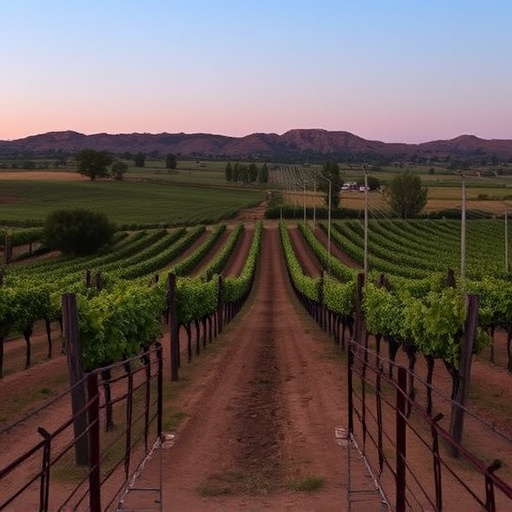
The art of crafting unique vineyard wines is a delicate dance between nature and nurture, and nowhere is this more evident than in the Sonoita-area vineyards. These pioneering collectives have carved out a niche for themselves by embracing the distinct terroir of their region, resulting in limited-edition wines that capture the essence of their specific microclimates. The process begins with meticulous viticulture, where each grape is nurtured to achieve optimal ripeness and complexity. For instance, the volcanic soils and sunny exposures unique to Sonoita contribute to the development of rich, multifaceted flavors in the grapes, which are then transformed into exquisite wines by skilled artisans.
These collectives prioritize sustainability and organic farming practices, ensuring that their vines thrive in harmony with the surrounding ecosystem. The care and attention paid at every stage—from pruning to harvesting—translates into the exceptional quality of their offerings. Many of these limited editions have garnered critical acclaim, with some vintages becoming highly sought-after collectibles. By embracing innovation while staying true to traditional methods, Sonoita-area wineries create wines that tell a story, reflecting not just the year they were made but also the specific characteristics of their vineyards.
To truly appreciate the art of crafting these unique vineyard wines, wine enthusiasts are encouraged to explore various labels and varieties. Tasting rooms and tours in the region offer insights into the winemaking process and the passion behind each bottle. By engaging with these collectives, visitors can gain a deeper understanding of how Sonoita's natural landscape contributes to its renowned wines, fostering a connection between terroir and taste that is both educational and delightfully sensory.
A Guide to Collecting and Tasting Local Vines
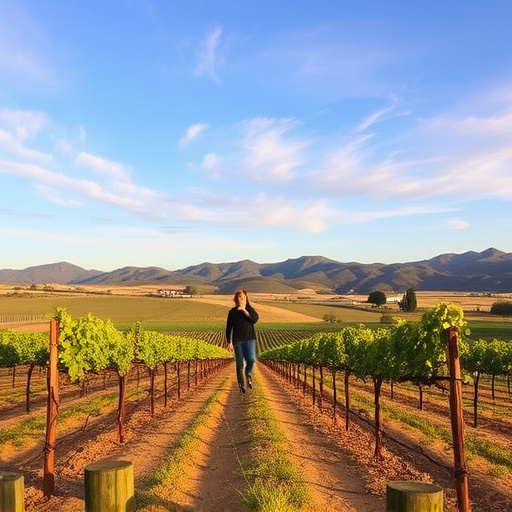
The Sonoita region has emerged as a beacon for wine enthusiasts seeking unique and distinctive vintages. This Arizona terroir, renowned for its diverse microclimates and rich soil varieties, naturally cultivates grapes with complex flavors that translate into truly remarkable wines. For collectors and connoisseurs, exploring limited-edition releases from pioneering wine collectives offers an unparalleled opportunity to expand their palates and contribute to the region's thriving viticultural scene.
Navigating this landscape requires a keen eye for detail and a sophisticated palate. To start your collection or elevate your tasting experience, delve into the world of Sonoita vineyards naturally. Focus on understanding the unique characteristics of each collective, from their vineyard management practices to their innovative winemaking techniques. For instance, some collectives prioritize organic farming methods, while others experiment with ancient rootstocks to enhance terroir expression. Tasting notes should encompass not just the fruit flavors but also subtle nuances like earth, spice, and mineral hints that signify the distinct microclimates of Sonoita.
When collecting, consider both ageability and accessibility. Limited editions meant for immediate consumption offer a chance to experience the current vibrancy of Sonoita vineyards naturally while exploring young, fresh expressions. On the other hand, wines designed for cellaring allow collectors to track the region's evolving potential. Keep in mind that limited releases often command premium prices, so setting a budget and staying informed about upcoming drops is essential. Engaging with local wine communities and attending tastings can provide valuable insights from experts who share their knowledge and experiences with these exclusive offerings.
Remember that building a collection is a personal journey. Prioritize wines that resonate with your taste preferences while also exploring diverse styles to broaden your understanding of Sonoita's capabilities. As the region continues to gain global recognition, staying abreast of new releases and their critical acclamations will ensure you acquire pieces that not only delight your senses but also hold cultural and historical significance in the ever-evolving world of wine.
By exploring Sonoita's Natural Wine Collective and its limited edition Sip collections, we've uncovered a world where sonoita vineyards naturally thrive. Crafting unique vineyard wines requires an artful blend of traditional methods and innovative spirit, as showcased by these pioneering collectives. Our guide to collecting and tasting local vines equips readers with the knowledge to appreciate and support this vibrant ecosystem. Embracing these key insights allows you to navigate and celebrate the diverse flavors that Sonoita offers, solidifying your connection to its rich viticultural heritage.
About the Author
Meet Dr. Elena Martinez, a renowned enologist and sommelier with over 15 years of experience in the wine industry. Elena holds a Master's degree in Viticulture and Oenology from the prestigious University of California, Davis. She is a certified Wine Judge through the International Wine Community and contributes regularly to Wine Spectator magazine. Her expertise lies in exploring unique micro-vineyards and crafting limited-edition wines, particularly from Sonoita's pioneering collectives. Elena is active on LinkedIn, sharing her insights with a global network of wine enthusiasts.
Related Resources
1. Wine Enthusiast Magazine (Industry Publication): [Offers insights into global wine trends and reviews, including regional specialties like Sonoita.] - https://www.wineenthusiast.com
2. Arizona Department of Revenue - Alcoholic Beverage Control (Government Site): [Provides regulations and licensing information for alcohol sales in Arizona, including small-batch wineries.] - https://azdor.gov/abc/
3. University of California, Davis - Wine Studies Program (Academic Institution): [Offers research and educational resources on wine production, history, and cultural impact, with relevance to Sonoita's niche market.] - https://www.ucdavis.edu/wine/
4. Sonoita Wine Country Association (Community Resource): [Promotes local wineries and provides visitor information, offering a direct connection to the region's pioneering wine collectives.] - https://www.sonoitawinecountry.com
5. Decanter Magazine (International Wine Journal): [Covers international wine news, including features on up-and-coming regions like Sonoita, with articles focused on limited-edition releases.] - https://www.decanter.com
6. National Agricultural Library (Government Research Portal): [Offers a wealth of agricultural and food industry research, including studies on small-scale winemaking and local food systems.] - https://nal.usda.gov/
7. The World of Fine Wine (Digital Magazine): [Provides in-depth features on global wine regions, with a focus on quality and innovation, potentially highlighting Sonoita's unique contributions.] - https://www.finewine.com